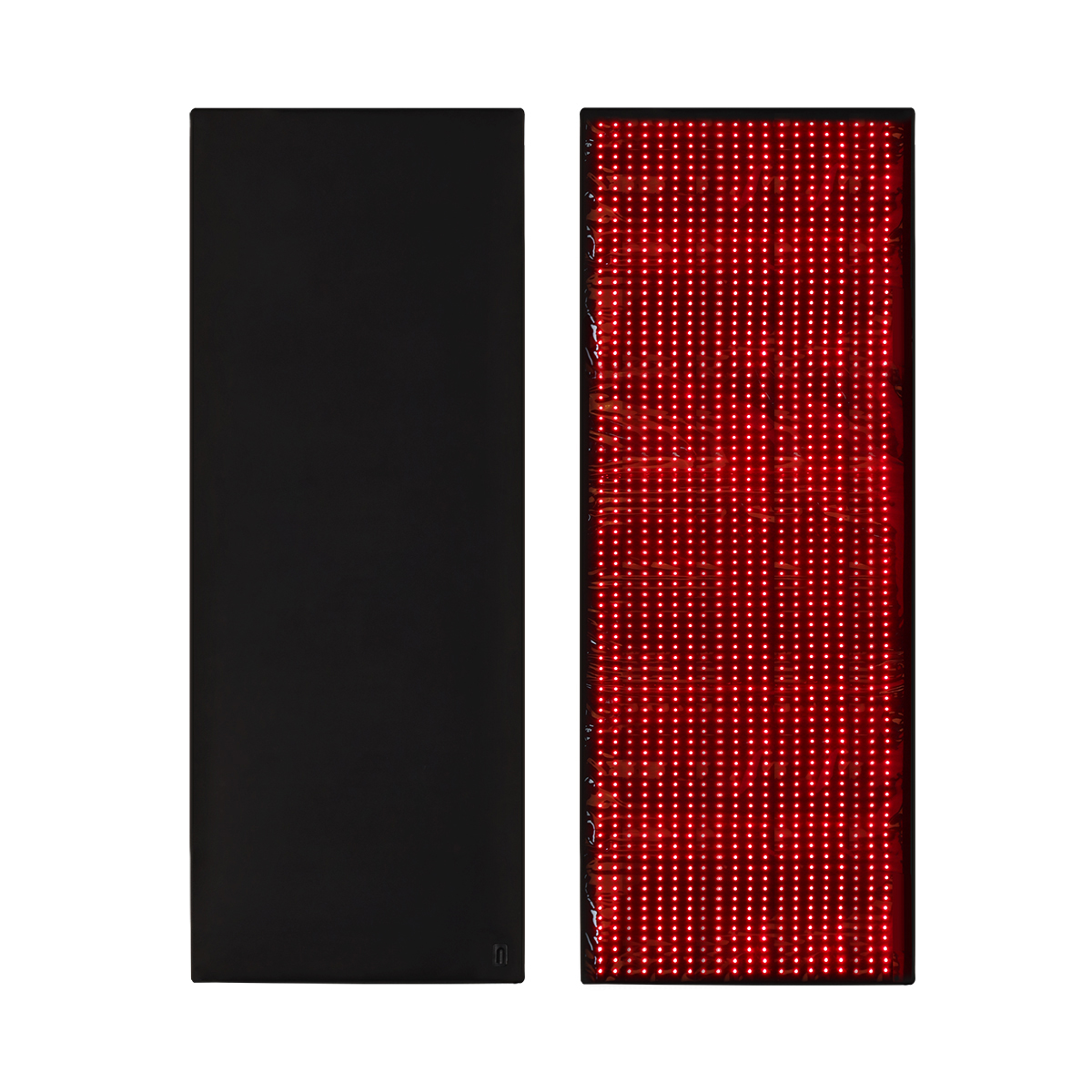
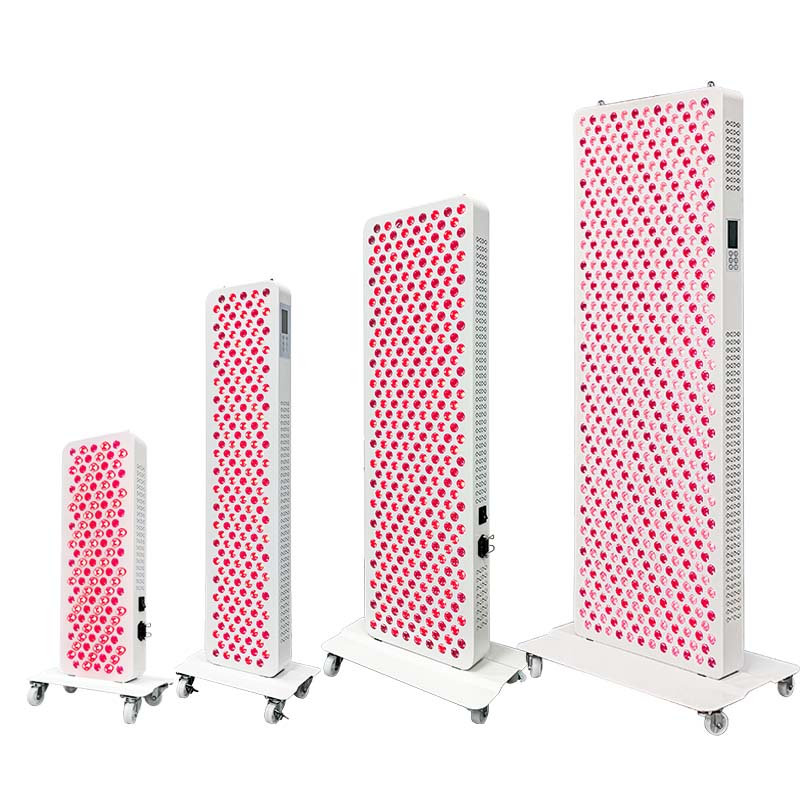
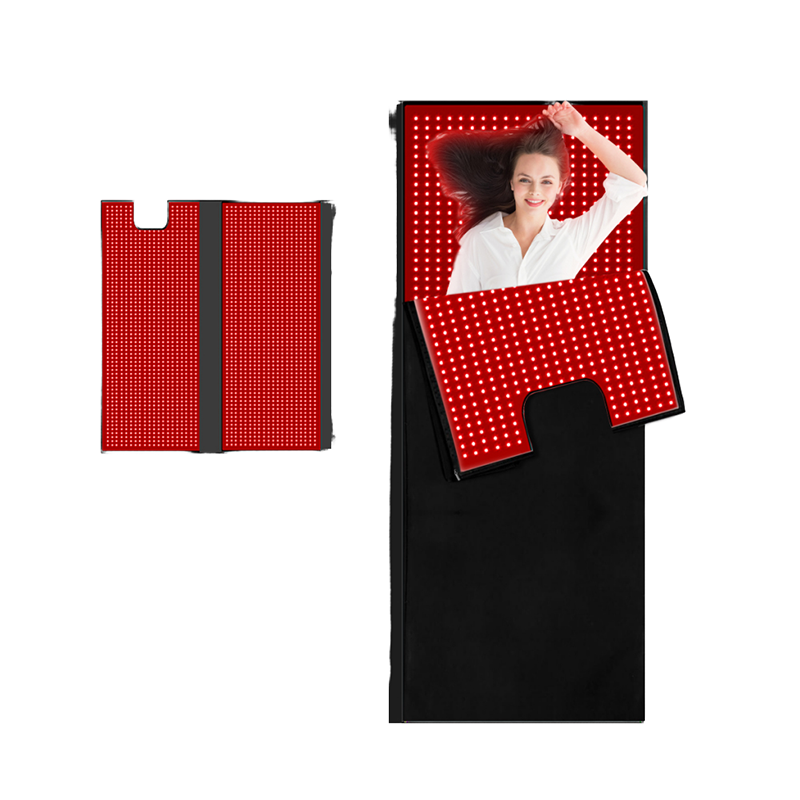
Infrared and red light therapy are not the same. While both utilize the incredible power of the electromagnetic spectrum to promote health, beauty, and systemic wellness, they operate on completely different wavelengths, penetrate human tissue at distinct depths, and trigger entirely different biological mechanisms. Red light therapy primarily focuses on non-thermal cellular stimulation (photobiomodulation) to enhance skin health and cellular energy, whereas infrared therapy—particularly far-infrared—utilizes thermal energy to heat the body from the inside out, promoting deep muscle recovery, cardiovascular stimulation, and systemic detoxification. Devices such as the full-body red light therapy panel and the red light therapy sauna mat demonstrate how these technologies can be tailored for specific wellness goals.【1†source】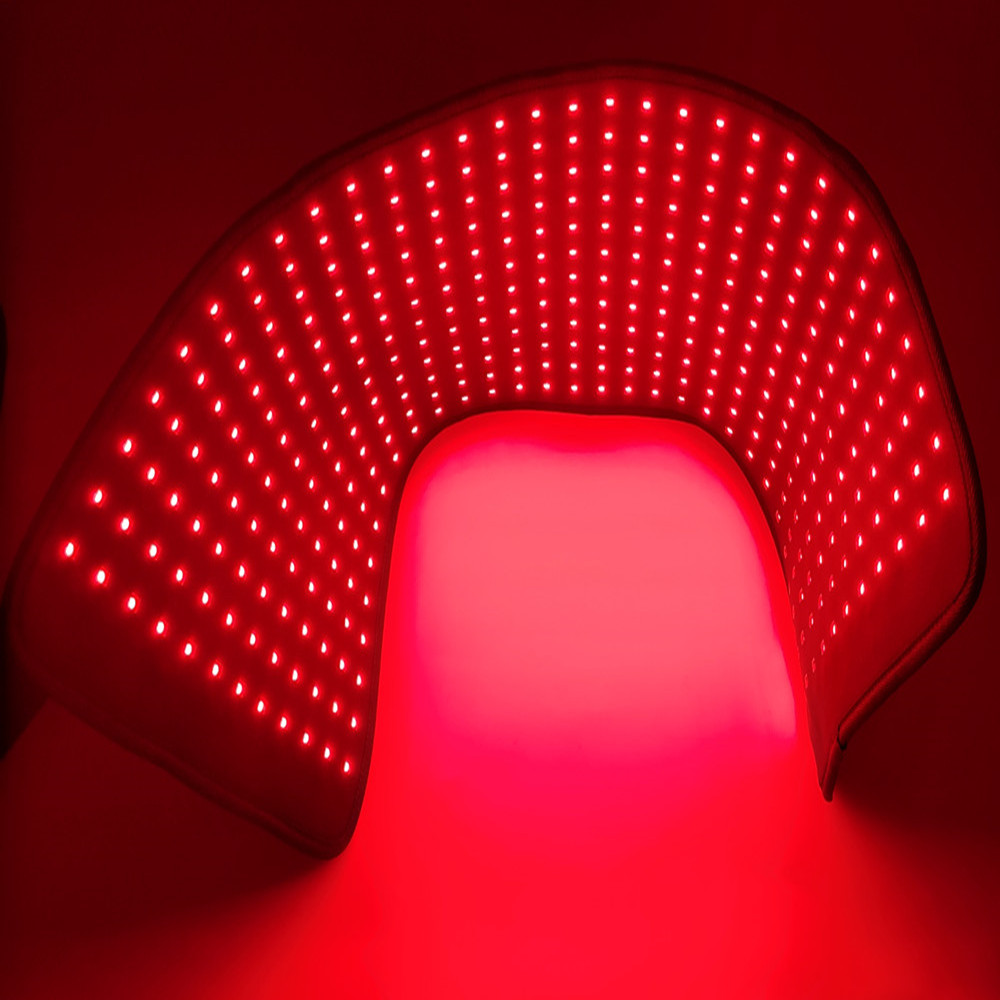
The Dawn of the Light Therapy Era
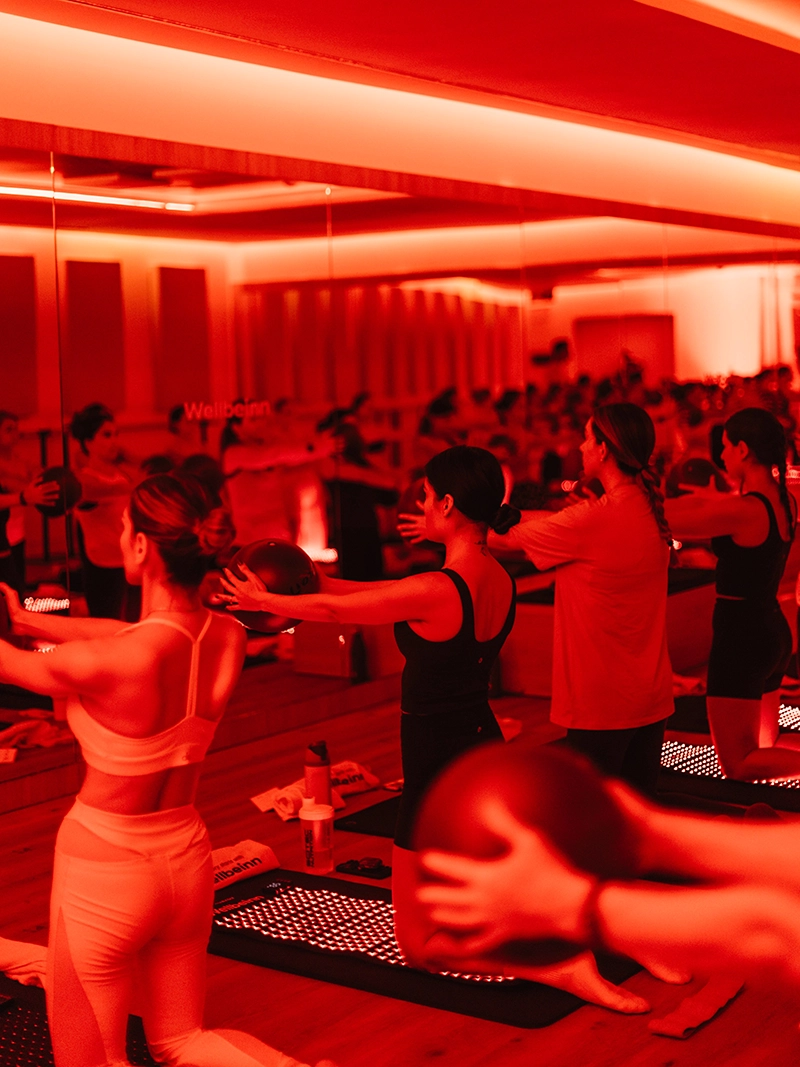
In recent years, the wellness and beauty industries have experienced a profound paradigm shift. We have moved beyond topical creams and invasive procedures, entering an era where the fundamental building blocks of life—light and energy—are harnessed for radical self-care. Light therapy has emerged as the ultimate health-hacking and beauty-boosting secret, promising everything from the eradication of fine lines to the acceleration of athletic recovery. However, as the market becomes saturated with high-tech wellbeing devices, consumers are often left confused by the complex terminology. Commercial solutions like full-body red light therapy panels for gym and yoga studios continue to gain popularity in both professional and home wellness environments.【2†source】
Powered by a broad spectrum of wavelengths—spanning visible red light, near-infrared (NIR), deep near-infrared, and far-infrared—these innovative tools offer highly specific benefits. Deciphering the differences between a red light therapy panel and an infrared sauna blanket is crucial for optimizing your wellness routine. This comprehensive guide will dissect the exact physiological mechanisms of both red and infrared light therapies, explore their unique applications, and help you determine which technological marvel is best suited to help you achieve your personal health and aesthetic goals.
Understanding the Physics of Light: The Electromagnetic Spectrum
To truly grasp the distinction between red and infrared therapies, one must first understand the fundamental physics of the electromagnetic spectrum. Light is measured in wavelengths, with the unit of measurement being the nanometer (nm). The length of the wavelength directly dictates two critical factors: how the light interacts with the human eye (whether it is visible or invisible) and how deeply the light photons can penetrate human tissue.
The visible spectrum encompasses the colors we can see, ranging roughly from 400 nm (violet) to 700 nm (red). Red light sits at the very end of this visible spectrum. Immediately following the visible red light is the infrared spectrum, which begins at approximately 700 nm and extends all the way to 1 millimeter. Infrared light is completely invisible to the human eye, yet it exerts profound physical effects on the body. The fundamental difference between the two therapies discussed in this article hinges entirely on where their emitted light falls on this vast electromagnetic scale.
What is Red Light Therapy? The Science of Cellular Energization
Red light therapy, clinically known as Photobiomodulation (PBM) or Low-Level Laser Therapy (LLLT), involves the delivery of concentrated wavelengths of visible red light (typically between 620 nm and 700 nm) directly to the skin. Unlike ultraviolet (UV) light from the sun, which can damage cellular DNA, red light is entirely safe and non-ionizing. Furthermore, unlike infrared saunas, red light therapy is considered “cold” or non-thermal; it does not rely on the generation of heat to produce its physiological effects. Home wellness users increasingly rely on products such as the full-body red light therapy blanket for convenient daily therapy sessions.【3†source】
The Mechanism of Action: Boosting ATP Production
The magic of red light therapy panels lies in their ability to hack the body at a microscopic level. When specific wavelengths of red light penetrate the epidermis and dermis, they are absorbed by a light-sensitive enzyme within the mitochondria called cytochrome c oxidase. The mitochondria are famously known as the “powerhouses” of the cell, responsible for synthesizing Adenosine Triphosphate (ATP)—the universal energy currency that fuels every biological process in the human body.
When red light photons interact with cytochrome c oxidase, they clear away oxidative stress (specifically nitric oxide, which competititively binds to the enzyme and halts energy production). This process drastically increases the production of ATP. According to research published in the Journal of Photochemistry and Photobiology, this surge in cellular energy empowers cells to repair damage, replicate more efficiently, and perform their designated functions at a highly optimized rate.
Aesthetic Benefits: Collagen, Elastin, and Skin Rejuvenation
Because red light is primarily absorbed in the shallower layers of the tissue (the skin), its most celebrated applications are dermatological and aesthetic. The surge in ATP production directly stimulates fibroblasts—the specialized cells responsible for synthesizing collagen and elastin. Collagen is the structural protein that gives skin its firmness and volume, while elastin allows the skin to stretch and bounce back.
By supercharging these cellular processes, red light therapy yields remarkable anti-aging benefits. Regular users experience smoother, firmer skin with a noticeable reduction in fine lines, wrinkles, and hyperpigmentation. Additionally, the enhanced cellular metabolism helps to even out skin tone and produces a radiant, youthful glow that topical skincare products struggle to achieve alone. The versatile and flexible design of modern tools, such as advanced LED Light Therapy Panels, allows users to target these skin-boosting benefits anywhere on the body, combining both red and sometimes blue light for comprehensive anti-aging, acne-clearing, and skin recovery protocols. Devices like the 3D face red light therapy mask and the FDA-cleared red light therapy mask for wrinkles have become especially popular for targeted facial rejuvenation treatments.【4†source】
What is Infrared Therapy? The Power of Deep Thermal Penetration
While red light stops primarily at the skin, infrared light travels much deeper. The infrared spectrum is generally divided into three distinct categories: Near-Infrared (NIR), Mid-Infrared (MIR), and Far-Infrared (FIR). When we talk about “infrared therapy” in the context of whole-body recovery and wellness devices like sauna blankets, we are predominantly referring to Far-Infrared radiation.
The Mechanism of Action: Thermal Heating from the Inside Out
Far-infrared wavelengths (ranging from 3,000 nm to 100,000 nm) function very differently from visible red light. Instead of stimulating mitochondrial enzymes via photochemistry, far-infrared radiation interacts with the water molecules inside the human body. These long wavelengths penetrate deeply—up to several inches—bypassing the surface of the skin to reach muscles, joints, and even internal organs.
Once inside the tissue, the infrared energy causes the water molecules to vibrate, generating profound internal heat. This is a process known as hyperthermia or thermal conditioning. Unlike traditional saunas, which must heat the ambient air to extreme, sometimes suffocating temperatures (often upwards of 180°F) to warm the body from the outside in, infrared devices heat the body directly. This allows for a much more comfortable experience at lower ambient temperatures while achieving a far deeper physiological response.
Systemic Benefits: Vasodilation, Detoxification, and Recovery
The internal heating triggered by infrared therapy induces a massive cardiovascular response. As the core temperature rises, the body initiates a natural cooling mechanism. Blood vessels expand (vasodilation), which drastically boosts blood circulation throughout the body. This hyper-circulation delivers oxygen-rich blood and vital nutrients to fatigued muscles and aching joints, significantly speeding up muscular recovery after intense physical exertion and providing relief from chronic joint pain.
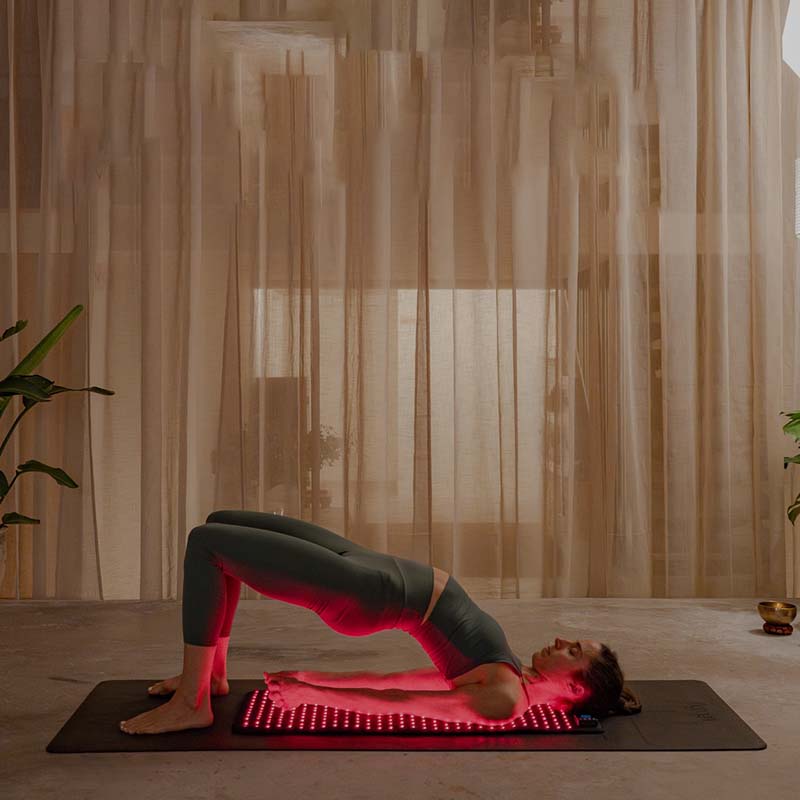
Furthermore, this deep thermal penetration activates the eccrine and apocrine sweat glands. The resulting sweat is incredibly profuse and has been shown to contain a higher concentration of environmental toxins, heavy metals, and metabolic waste compared to the sweat produced by standard exercise. Therefore, infrared sauna blankets offer profound detoxifying effects. Combined, these mechanisms—enhanced circulation, deep muscle relaxation, and systemic detoxification—promote unparalleled overall wellness and full-body recovery. Portable devices such as the FDA-cleared red light therapy blanket and the 660nm 850nm red light therapy blanket are designed specifically for convenient at-home recovery and relaxation sessions.【5†source】
Feature Section I: The Biological Synergies of Multi-Wavelength Devices
One of the most exciting advancements in the modern biohacking landscape is the realization that red and infrared therapies do not have to be mutually exclusive. In fact, when combined, these distinct wavelengths create a potent biological synergy that magnifies the efficacy of the treatment. This is where multi-light devices enter the conversation, bridging the gap between superficial skin rejuvenation and deep tissue repair.
The scientific community has identified specific wavelengths that hit the “sweet spots” of cellular absorption. For instance, high-end LED panels often integrate a triad of specific light frequencies:
- Red Light (typically 633 nm): This wavelength halts exactly at the dermal layer, making it the supreme choice for stimulating superficial fibroblasts, boosting collagen density, clearing epidermal inflammation, and accelerating the healing of surface wounds or blemishes.
- Near-Infrared Light (typically 830 nm): Sitting just outside the visible spectrum, this wavelength acts as a bridge. It penetrates deeper than red light, reaching the subcutaneous fat, localized blood vessels, and the upper layers of muscle tissue. It is highly effective at reducing localized pain, soothing inflamed tendons, and expediting the clearance of lymphatic waste.
- Deep Near-Infrared Light (typically 1072 nm): This longer wavelength penetrates even further, interacting with deep muscle fascia, joint capsules, and even bone tissue. It has been shown in clinical settings to modulate neuroinflammation and provide substantial relief for deeper, chronic pain conditions.
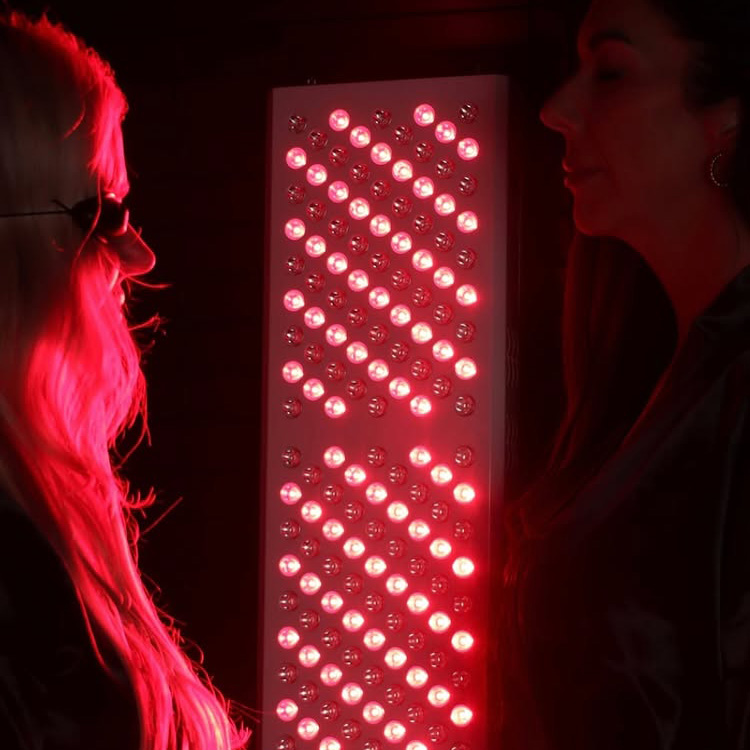
By engineering devices that emit these wavelengths simultaneously, manufacturers have created comprehensive, all-in-one self-care solutions. When a user stands before a multi-wavelength panel, the skin is rejuvenated by the 633 nm visible red light, while the 830 nm and 1072 nm invisible wavelengths pass through the skin to simultaneously heal the underlying muscles and joints. This combined approach means that users no longer have to choose between aesthetic enhancement and physical recovery; the synergistic effect provides benefits that go far beyond standard skincare, treating the body holistically from the surface down to the cellular core. Flexible systems such as the home-use red light therapy panels and the FDA-cleared full-body therapy panels make these advanced technologies more accessible than ever before.【6†source】
The Core Differences: Red Light vs. Infrared Therapy
While both modalities are incredibly beneficial, understanding their specific differences is the key to maximizing your light therapy results. The primary divergence between red and infrared light therapy lies entirely in the wavelength used, which inherently determines the penetration depth and the resulting biological action.
To summarize the practical distinctions: Red light therapy is absorbed almost entirely by the skin. Its primary function is to increase ATP, collagen, and elastin production, making it the ultimate tool for improved skin health and advanced anti-aging. Conversely, far-infrared light travels much deeper into the body. Its primary function is to agitate water molecules, generating internal heat that reaches the deepest muscles and joints, making it the ultimate tool for thermal recovery, cardiovascular stimulation, and heavy metal detoxification.
The user experience also differs significantly. Red light therapy panels are typically very quick and easy to integrate into a busy schedule. Because the cellular stimulation occurs rapidly and without the generation of heat, sessions usually last just 10 to 20 minutes, require zero downtime, and do not induce sweating. On the other hand, infrared therapy sessions (such as using a sauna blanket) represent a larger time commitment. These sessions tend to last upwards of 45 minutes to an hour, induce massive amounts of sweat, and require the user to shower and clean the device post-treatment.
Comparative Analysis Table
| Feature | Red Light Therapy | Infrared Light Therapy (Far-Infrared) |
|---|---|---|
| Wavelength Range | Shorter wavelengths (approx. 620 nm – 750 nm). Visible to the human eye. | Longer wavelengths (approx. 3,000 nm+). Invisible to the human eye. |
| Penetration Depth | Shallow: Absorbed primarily by the skin’s surface (epidermis and dermis). | Deep: Reaches the deeper tissues, penetrating inches into muscles, joints, and organs. |
| Mechanism of Action | Photobiomodulation: Energizes cells via cytochrome c oxidase, boosting ATP for repair and regeneration. | Thermal conditioning: Vibrates water molecules, increasing the body’s core temperature from the inside out. |
| Primary Benefits | Skin health, collagen production, wrinkle reduction, acne clearance, superficial wound healing. | Full body wellbeing, intense detoxification via sweat, deep muscle recovery, joint pain relief, cardiovascular health. |
| Session Duration & Effort | Short (10-20 minutes). Zero heat, zero sweat, no post-treatment cleanup required. | Long (30-60 minutes). High heat, intense sweating, requires post-treatment showering and hydration. |
Feature Section II: Choosing the Right Device for Your Lifestyle
With a clear understanding of the science separating red light panels from infrared sauna blankets, the next logical step is determining how to integrate these powerful tools into your actual life. The “best” device is heavily dependent on your personal health objectives, aesthetic desires, and daily schedule.
The Case for the Red Light Panel
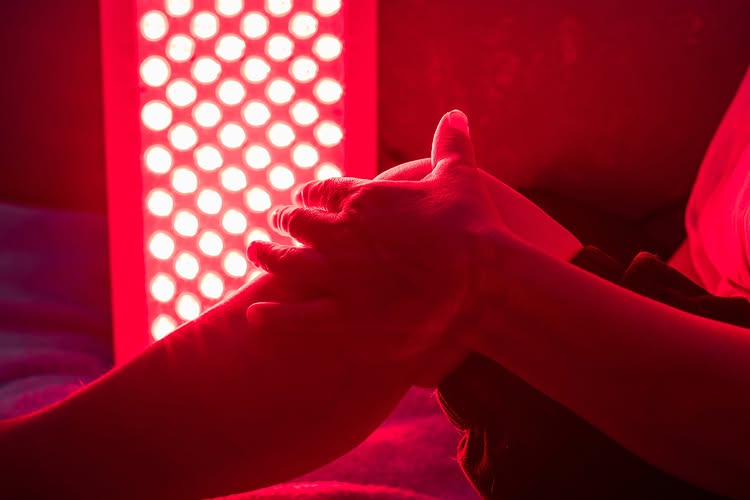
If your primary goals are aesthetic—if it is skin-boosting you are seeking—you should look no further than an advanced LED Light Therapy Panel. These devices are the crown jewels of anti-aging regimens. For individuals suffering from chronic skin conditions like rosacea, eczema, or stubborn acne, the non-invasive, cooling nature of red light panels provides immense relief without irritating sensitive skin. Furthermore, panels are incredibly convenient. If you are a busy professional or parent, dedicating 10 minutes to sit in front of a panel while checking morning emails or meditating is highly sustainable. Because there is no sweat involved, you can perform your red light therapy fully dressed, at any point in the day, seamlessly integrating it into even the most chaotic schedules.
The Case for the Infrared Sauna Blanket
If your goals are centered around physiological recovery, pain management, and internal health—if you want benefits from the inside out—the warming embrace of an Infrared Sauna Blanket will be your new best friend. Athletes, fitness enthusiasts, and individuals dealing with arthritis or fibromyalgia will find unparalleled relief in the deep, penetrating heat of far-infrared rays. The sauna blanket is an experiential treatment. It forces you to lie down, disconnect from your devices, and engage in profound relaxation. It is the perfect antidote to high-stress lifestyles, helping to lower cortisol levels and activate the parasympathetic nervous system (rest and digest mode). While it requires a greater time commitment—setting up the blanket, enduring a 45-minute sweat session, and showering afterward—the resulting endorphin rush, profound sleep quality, and muscle relaxation make the investment of time incredibly worthwhile.
Integrating Both Modalities: The Ultimate Wellness Protocol
For those unwilling to compromise, integrating both red and infrared light therapies into a weekly routine offers the pinnacle of modern wellness. Because they operate on completely different biological pathways, there is no risk of “overdosing” on light by using both devices.
A highly effective protocol utilized by biohackers involves using the red light panel in the morning. The bright, visible red light helps to regulate circadian rhythms, halt melatonin production, and energize the cells for the day ahead, all while providing a morning boost of collagen synthesis. Conversely, the infrared sauna blanket is best reserved for the evening or post-workout. The intense heat of the blanket raises the core body temperature, which inevitably drops once the session concludes; this sudden drop in temperature is a powerful biological trigger that signals the brain to prepare for deep, restorative sleep. By utilizing the quick, energizing effects of the panel in the AM and the deep, relaxing, detoxifying effects of the blanket in the PM, users can maximize their light therapy results and achieve total mind-body optimization.
Frequently Asked Questions (FAQ)
1. Can I use red light therapy and an infrared sauna blanket on the same day?
Absolutely. Because these therapies target entirely different biological mechanisms—red light focuses on cellular photobiomodulation and ATP production, while infrared blankets focus on thermal heating and vasodilation—they do not interfere with one another. In fact, using them on the same day can be highly complementary. A popular protocol is to use the red light panel in the morning for localized skin benefits and cellular energy, followed by an evening session in the infrared sauna blanket to promote whole-body detoxification, muscle relaxation, and deep sleep.
2. Do I need to wear protective eyewear when using these devices?
For infrared sauna blankets, protective eyewear is completely unnecessary, as your head remains outside the blanket and the infrared light is invisible and safely contained within the device’s layers. For red light therapy panels, the light is incredibly bright but does not contain harmful UV rays. While many clinical studies suggest that red light can actually be beneficial for eye health, the intense glare of high-powered LED panels can be uncomfortable for some users. Manufacturers generally provide blackout goggles with their panels, and it is highly recommended to wear them, or at least keep your eyes closed, during your 10-to-20-minute session to ensure maximum comfort.
3. How long does it take to see tangible results from light therapy?
The timeline for results depends heavily on the specific therapy and your individual goals. With an infrared sauna blanket, you will feel the benefits—such as muscle relaxation, profound stress relief, and an endorphin boost—immediately after your very first session. For red light therapy, because it relies on cellular turnover and the gradual synthesis of collagen and elastin, patience is required. While you may notice an immediate superficial “glow” due to increased microcirculation, structural changes like the reduction of fine lines, improved skin tone, and tissue healing typically require consistent, daily use over a period of 4 to 8 weeks. Consistency is the ultimate key to unlocking the full potential of both modalities.
Conclusion: Empowering Your Future Self
Navigating the expanding universe of light-based wellness does not have to be an overwhelming endeavor. By breaking down the science of the electromagnetic spectrum, we can clearly see that red light therapy and infrared therapy are distinctly different tools, each masterfully designed to solve specific biological challenges. Red light therapy is the ultimate architect of the skin, utilizing the magic of photobiomodulation to energize cells, ramp up collagen production, and turn back the clock on aging—all in a quick, cool, and convenient daily session.
Infrared therapy, harnessed through the luxurious cocoon of a sauna blanket, acts as the ultimate internal reset. By vibrating water molecules and generating deep, penetrating heat, it flushes toxins from the body, dramatically accelerates muscular recovery, and provides an unparalleled oasis of relaxation in a high-stress world. While red light operates on the surface to refine and rejuvenate, infrared light dives deep to recover and detoxify.
Ultimately, both red and infrared light have a vital place in a comprehensive wellbeing routine, targeting the body at varying depths for benefits both inside and out. Whether you choose to invest in a multi-wavelength panel for targeted, highly efficient skin-boosting, or commit to the deeply therapeutic, warming sessions of a sauna blanket for holistic health, you are making a profound investment in your longevity. Maximize your light therapy results by choosing the device that aligns flawlessly with your lifestyle and health objectives. Invest in these high-tech tools today for a comprehensive wellness upgrade that your future self will undoubtedly thank you for.
 English (United States)
 French (Canada)
 English (UK)
 English (Australia)
 English (Canada)
 English (New Zealand)
 English (South Africa)
 Bulgarian
 Croatian
 Arabic
 Czech
Czech Danish
 Dutch
Dutch Estonian
 Finnish
 French (France)
 Turkish
 Swedish
 Spanish
 Slovenian
 Georgian
 German
 Greek
Greek Hebrew
 Hungarian
 Icelandic
 Indonesian
 Italian
 Japanese
 Korean
 Latvian
 Lithuanian
 Slovak
 Serbian
 Portuguese
 Luxembourgish
 Irish
Irish Romanian
 Russian