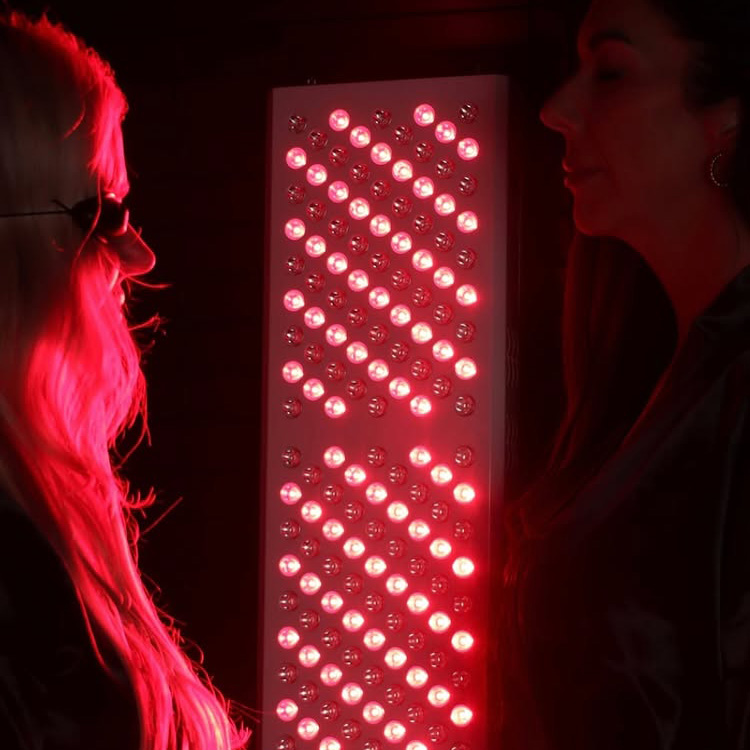
To answer the fundamental question directly: No, red light therapy is not technically infrared therapy, but they are closely related components of the electromagnetic spectrum that are frequently used together for maximum therapeutic effect. Red light consists of visible light wavelengths, typically ranging from 620 to 700 nanometers (nm), which primarily treat the skin’s surface and dermal layers. Infrared light—specifically Near-Infrared (NIR) used in therapy—is invisible to the human eye, starting at approximately 780nm and extending to 1200nm. While red light acts as an aesthetic powerhouse for the skin, infrared light serves as a deep-tissue specialist, penetrating into muscles, nerves, and bone. Together, they form the backbone of modern Photobiomodulation (PBM), a clinical field dedicated to using non-ionizing light to heal and rejuvenate the human body.
The Perfect Beginning: The Convergence of Light and Life
Light is more than a visual medium; it is a biological signaling mechanism. From the way our eyes interpret the colors of a sunset to the way our skin synthesizes Vitamin D, our bodies are built to respond to specific frequencies of light. In the modern era, the distinction between red and infrared light has moved from the laboratories of NASA to the forefront of the wellness and medical technology industries. As we explore the question, “Is red light therapy infrared?” we must delve into the physics of the “Optical Window”—the specific range of light that can penetrate human tissue without being absorbed by water or hemoglobin too quickly. Understanding this nuance is essential for anyone looking to develop medical-grade recovery tools, anti-aging devices, or high-performance wellness solutions.
The Electromagnetic Spectrum: One Continuum, Two Distinct Realities
To differentiate between red and infrared light, we must first look at their placement on the electromagnetic spectrum. Light travels in waves, and the length of these waves determines how they interact with biological matter. The shorter the wavelength, the more energy it carries, but the less it penetrates; the longer the wavelength, the deeper it travels into the body.
The Visible Window: Red Light (620nm – 700nm)
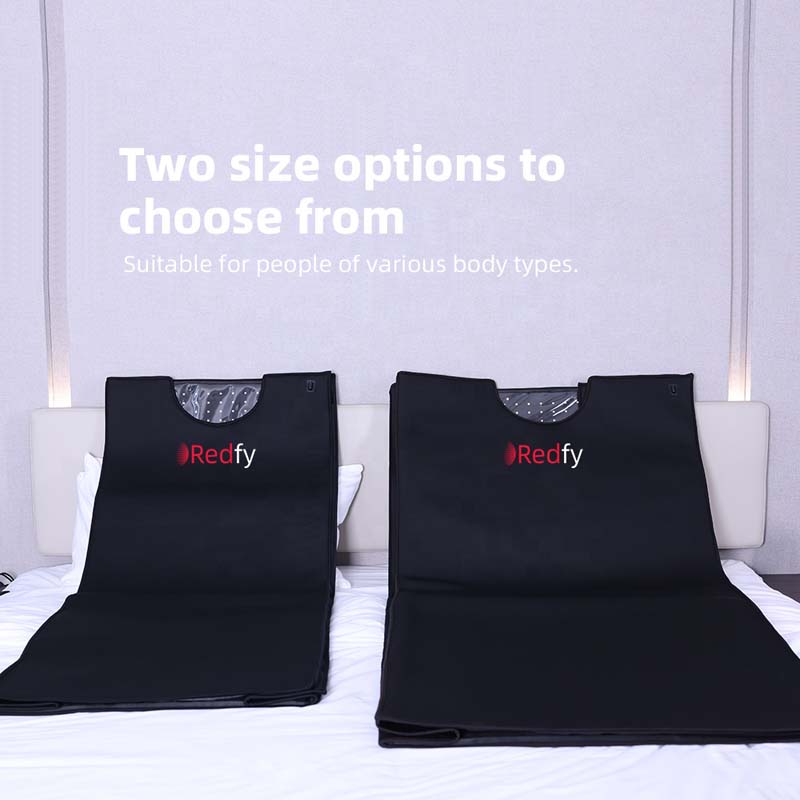
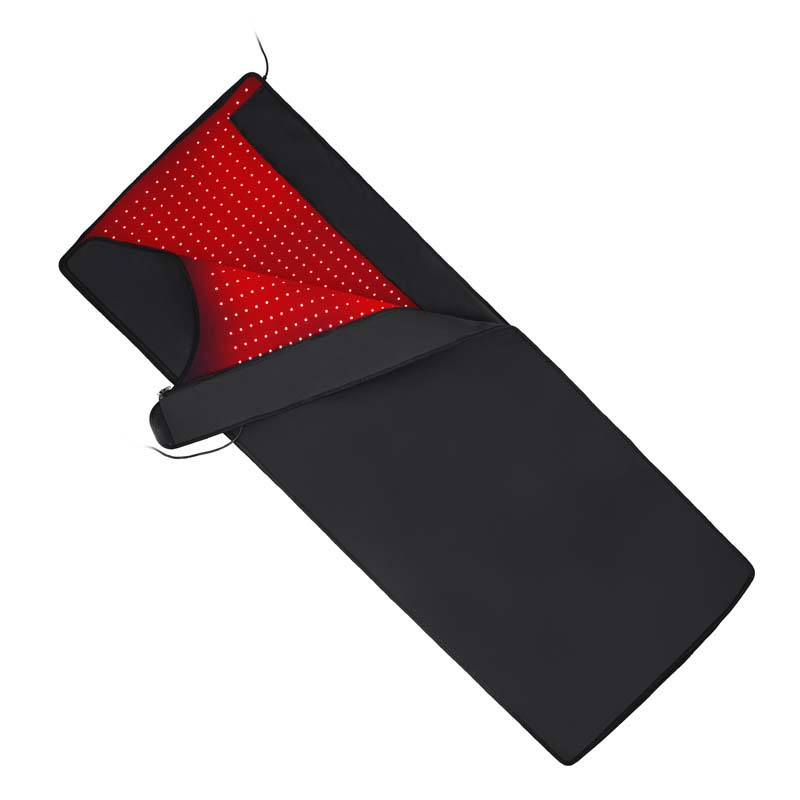
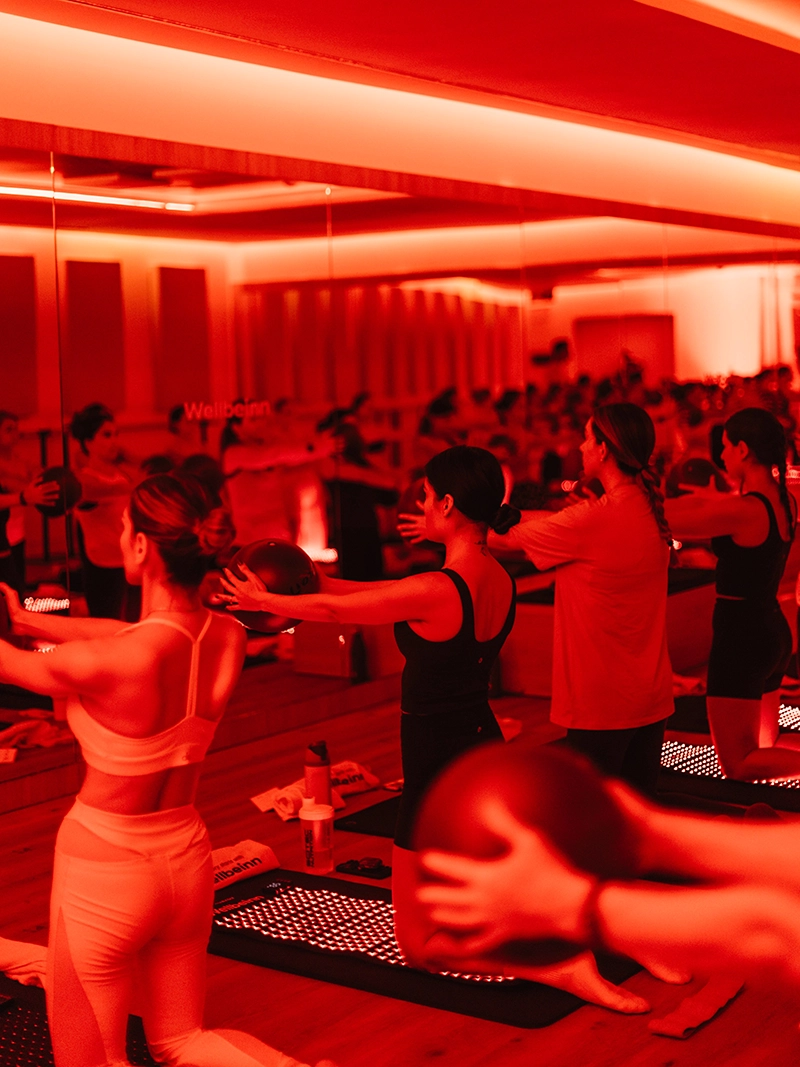
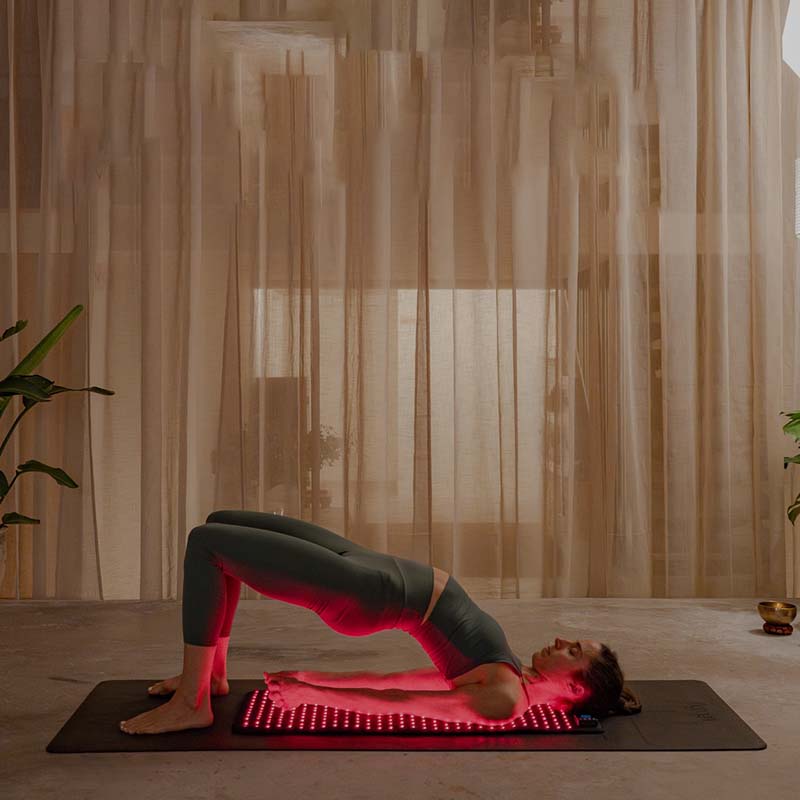
Red light sits at the very edge of human perception. It is the longest wavelength of light we can actually see. In clinical applications, the most studied wavelengths are 630nm and 660nm. These waves are highly absorbed by the Chromophores in the skin’s surface, making them incredibly effective for superficial healing and collagen stimulation. Popular red light therapy products include full-body red light therapy yoga mats and medical-grade Pilates/yoga studio mats.
The Invisible Window: Near-Infrared Light (700nm – 1200nm)
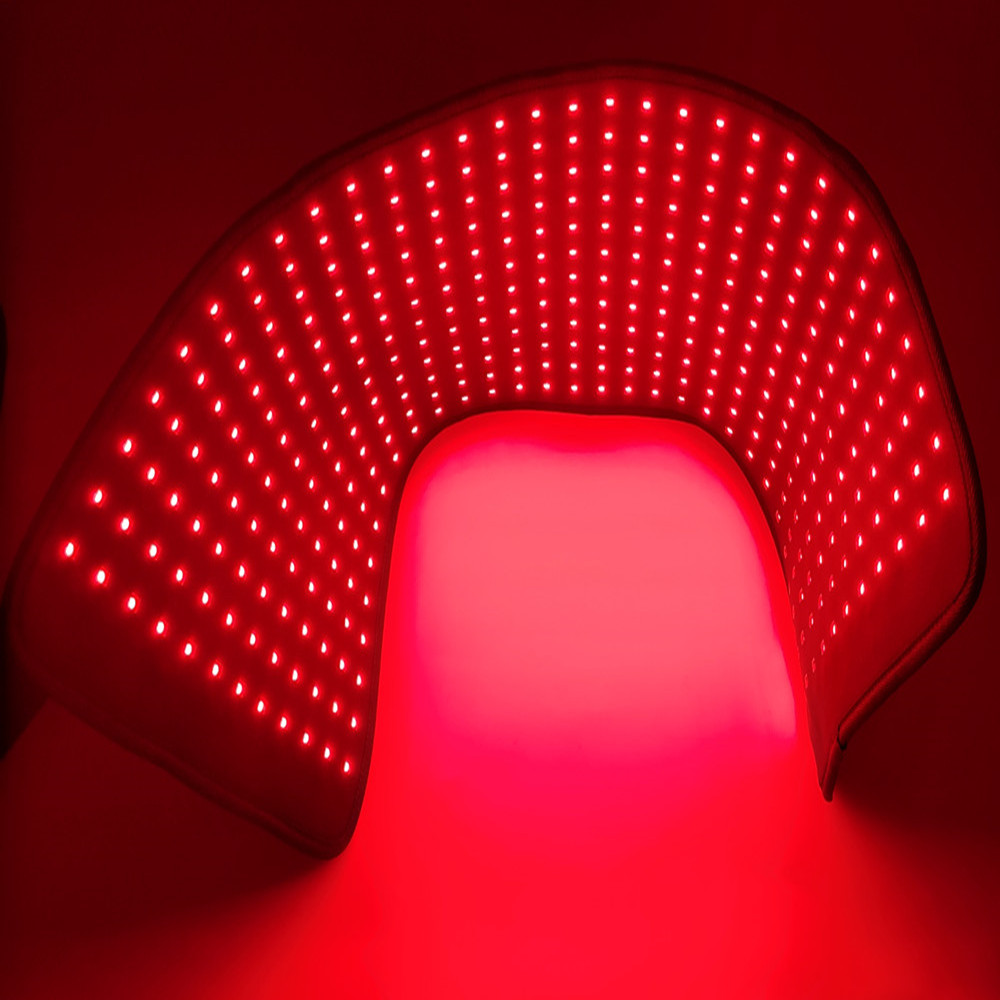
Once the wavelength exceeds roughly 750nm, it becomes invisible to the human retina. This is the realm of Near-Infrared (NIR). Because these waves have a lower frequency, they are not scattered by the dense proteins and water in the skin as easily as visible light is. This allows NIR light to pass through the epidermis and dermis like a ghost through a wall, reaching the mitochondria of deep-seated muscle tissue, tendons, and even internal organs. For deep recovery, consider using FDA-cleared red light therapy boots or full-body relief blankets.
| Feature | Red Light (Visible) | Near-Infrared (Invisible) |
|---|---|---|
| Wavelength Range | 620nm – 700nm | 700nm – 1200nm |
| Visibility | Deep Red Hue | Completely Invisible |
| Primary Target | Epidermis & Dermis | Muscles, Joints, Bones, Organs |
| Key Biological Benefit | Collagen & Skin Texture | Systemic Inflammation & Recovery |
| Tissue Penetration | Shallow (1-5mm) | Deep (5-10cm) |
Rich Content: The Cellular Mechanics of Photobiomodulation
The healing power of red and infrared light is not derived from heat, but from a photochemical reaction. This process is strikingly similar to photosynthesis in plants. While plants use chlorophyll to convert light into energy, humans use a specific enzyme located within our mitochondria: Cytochrome c Oxidase (CCO).
1. Boosting ATP Production
Inside almost every cell in your body, mitochondria act as power plants, producing Adenosine Triphosphate (ATP). When cells are stressed by age, injury, or disease, they produce excess nitric oxide. This nitric oxide binds to Cytochrome c Oxidase, blocking the cell’s ability to use oxygen and produce energy. When photons from red or infrared light hit the cell, they displace the nitric oxide, allowing the CCO to resume its job. This leads to a massive surge in ATP production, giving the cell the “fuel” it needs to repair itself, replicate, and fight off oxidative stress.
2. The Release of Nitric Oxide (NO)
Once the light kicks the nitric oxide out of the mitochondria, the NO enters the bloodstream. Nitric oxide is a potent vasodilator, meaning it relaxes the inner muscles of your blood vessels, causing the vessels to widen. This increases blood flow, lowers blood pressure, and ensures that oxygen and nutrients are delivered more efficiently to the site of injury.
3. Modulation of Reactive Oxygen Species (ROS)
Light therapy also helps regulate Reactive Oxygen Species. At high levels, ROS cause damage to DNA and proteins. However, at the controlled levels stimulated by PBM, ROS act as signaling molecules that activate transcription factors, leading to the expression of protective and reparative genes. This is why PBM is often referred to as “exercise for the cells.”
Red Light: The Aesthetic and Superficial Specialist
If your goal is “The Glow” or repairing the body’s outermost barrier, red light is the primary tool. Because red light (specifically 660nm) is absorbed primarily in the first few millimeters of the skin, its effects are concentrated on the structures that define our appearance and skin health.
Collagen and Elastin Synthesis
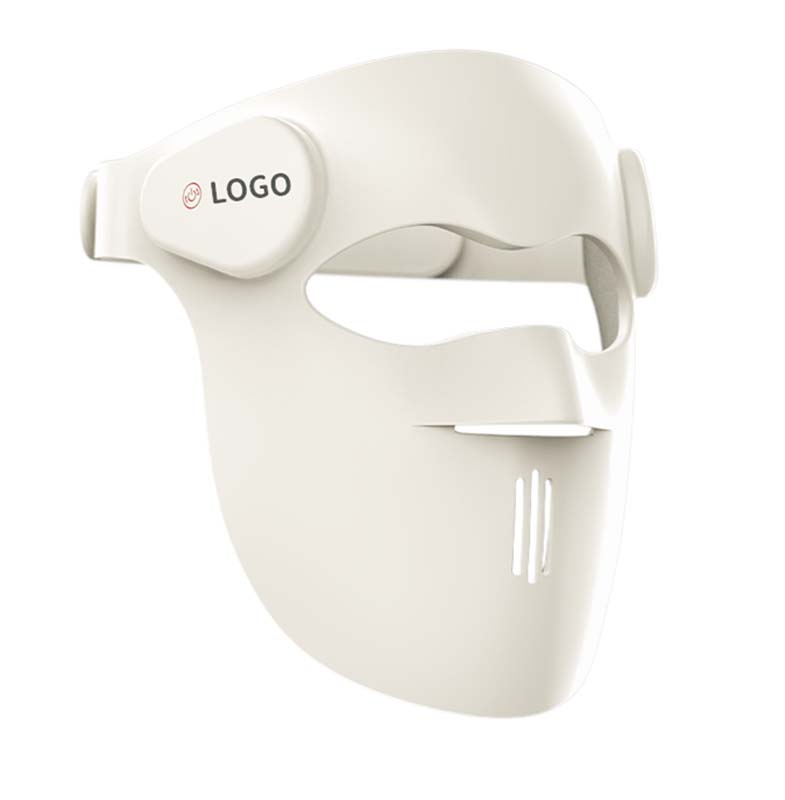
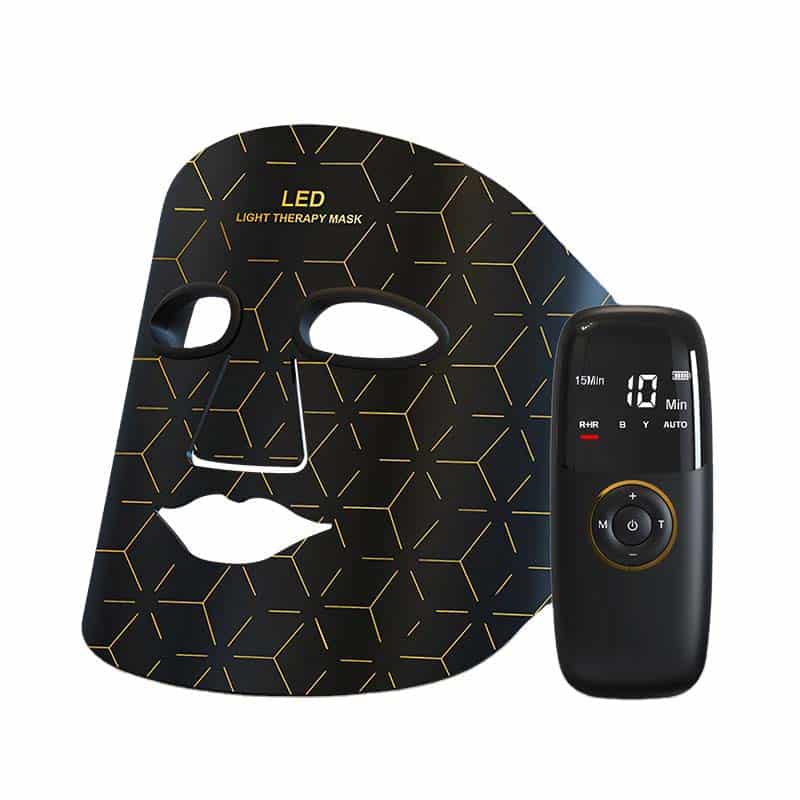
The skin’s structural integrity depends on Fibroblasts. These are the cells responsible for manufacturing collagen and elastin. Clinical studies have shown that red light therapy can significantly upregulate the genes responsible for collagen production. Recommended products include full-body red light therapy mats and silicone red light therapy masks.
Infrared Light: The Deep-Tissue and Recovery Specialist
Infrared light (specifically NIR) is the “heavy lifter” of recovery. If you have a sore lower back, a strained hamstring, or a stiff knee joint, red light simply cannot reach the source of the problem. You need the penetrative power of NIR, typically in the 810nm to 850nm range.
Reaching the Systemic Level
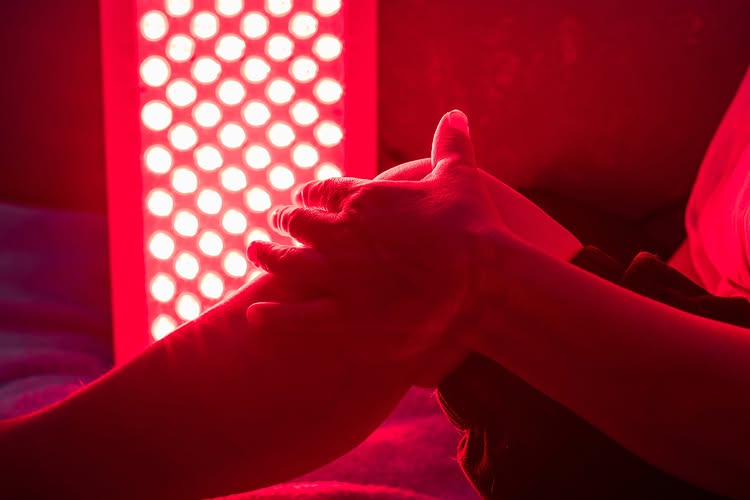
NIR light can penetrate up to 10 centimeters into the body. This allows it to interact with blood flowing through deep vessels, providing a systemic anti-inflammatory effect that travels throughout the body. Its applications in medicine and sports science are vast:
- Muscle Recovery: Athletes use NIR to reduce Delayed Onset Muscle Soreness (DOMS) and accelerate the repair of micro-tears in muscle fibers after intense training.
- Joint Pain and Arthritis: By reducing inflammation in the synovial fluid of joints, NIR provides non-pharmacological pain relief for those suffering from osteoarthritis and rheumatoid arthritis.
- Nerve Regeneration: Research suggests that NIR light can stimulate the growth of new nerve tissue and improve the function of damaged nerves, making it a promising treatment for peripheral neuropathy.
- Wound Healing: In diabetic patients or those with chronic ulcers, NIR helps close deep wounds by improving microcirculation and cellular energy in areas where blood flow is compromised.
The Synergy: Why Most High-Performing Devices Combine Both
While red and infrared light are technically different, they are most effective when used in tandem. This is known as “Dual-Wavelength Therapy.” When a device emits both 660nm and 850nm simultaneously, it treats the body in layers.
The red light handles the surface—soothing inflammation, repairing the skin barrier, and improving appearance. Simultaneously, the infrared light travels deeper to address the underlying muscular and structural issues. For a product developer or a clinician, this combination ensures that the user receives a comprehensive treatment. Whether the goal is to look younger or recover faster from a marathon, a combined device covers all biological bases.
Irradiance and Pulsing
Beyond the wavelength itself, two critical technical features determine whether a light therapy device is a “toy” or a “tool”: Irradiance and Pulsing.
1. Irradiance: The Power Density
Irradiance is the measurement of how much light energy is actually reaching the tissue, usually measured in milliwatts per square centimeter ($mW/cm^2$). A device can have the perfect 660nm red light, but if the irradiance is too low, the photons won’t reach the required depth to trigger a mitochondrial response. High-performing devices prioritize high irradiance to ensure that users get a clinical-grade dose in a short session (typically 10-20 minutes).
2. Pulsing: The Frequency of Light
While most home-use devices emit a steady, continuous stream of light, many professional medical systems use Pulsed Light Therapy. Pulsing involves flashing the LEDs at specific frequencies (Hertz). It is believed that pulsing prevents the “quenching” of the cell’s response, keeping the biological mechanisms active for longer. Common frequencies include 10Hz for tissue healing and 40Hz for potential cognitive and neurological support.
What This Means for Product Development and Regulatory Compliance
Choosing the right wavelength isn’t just about biology; it’s about business and regulation. The wavelengths you choose dictate the claims you can legally make about your product.
- Beauty Devices: Often rely on red light (630nm/660nm). These are frequently classified as Class II medical devices for aesthetic use.
- Pain Management: Must include infrared light (810nm-850nm) to be effective. To market these for pain relief in many regions, you must seek FDA 510(k) Clearance or equivalent certification.
At LFH Lighting , we help brands navigate these complexities. With over 13 years of experience and certified production facilities in China and India, we provide the regulatory guidance and engineering expertise needed to move from a concept to a certified, market-ready medical device.
Frequently Asked Questions (FAQs)
1. Is red light therapy safer than infrared because it’s not invisible?
Both are remarkably safe, non-invasive, and non-ionizing (meaning they don’t damage DNA like UV light). The main safety consideration is eye protection. Because infrared light is invisible, your eye’s natural blink reflex isn’t triggered, but the energy still enters the retina. High-intensity devices usually require goggles or built-in shielding to ensure safety.
2. Why don’t I feel heat from red light therapy?
Red and Near-Infrared light are not “heat lamps.” Heat lamps use Far-Infrared (FIR), which has much longer wavelengths (over 3000nm) that vibrate water molecules to create heat. Red and NIR work through photochemical reactions, not thermal ones. Any slight warmth you feel is usually from the LEDs themselves or increased blood circulation, not the light “burning” the tissue.
3. How long does it take to see results?
For skin concerns (Red Light), most users notice a change in texture and tone within 4 to 8 weeks of consistent use. For pain relief and muscle recovery (Infrared Light), many people feel the effects—such as reduced stiffness and increased mobility—immediately after a session or within 24 hours.
The Perfect End: The Future of Light-Based Medicine
The question of whether red light therapy is infrared is the starting point of a much larger journey into the science of human optimization. As we move away from purely chemical interventions and toward biological ones, light therapy stands as a pillar of the future of medicine. By understanding that red light works on the surface to restore beauty and infrared light heals from within to restore function, we can better select the tools we need to thrive. Whether you are a skincare enthusiast, an elite athlete, or an entrepreneur, the distinction between these wavelengths is the key to unlocking the body’s latent healing potential.
 English (United States)
 French (Canada)
 English (UK)
 English (Australia)
 English (Canada)
 English (New Zealand)
 English (South Africa)
 Bulgarian
 Croatian
 Arabic
 Czech
Czech Danish
 Dutch
Dutch Estonian
 Finnish
 French (France)
 Turkish
 Swedish
 Spanish
 Slovenian
 Georgian
 German
 Greek
Greek Hebrew
 Hungarian
 Icelandic
 Indonesian
 Italian
 Japanese
 Korean
 Latvian
 Lithuanian
 Slovak
 Serbian
 Portuguese
 Luxembourgish
 Irish
Irish Romanian
 Russian