
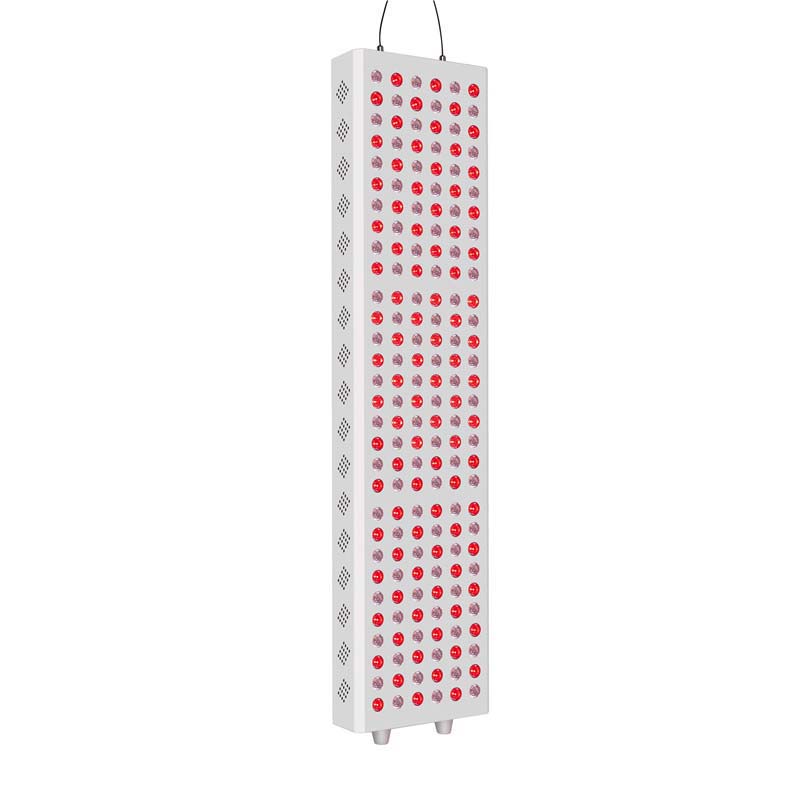
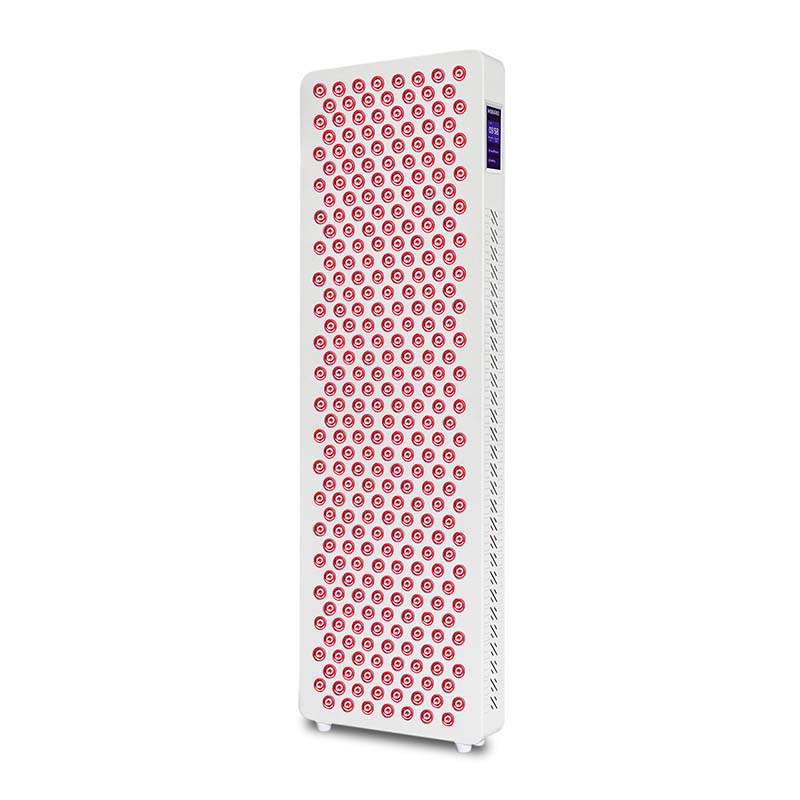
Red light therapy (RLT) primarily utilizes wavelengths within the “therapeutic window,” which spans from approximately 630 nanometers (nm) to 850 nm. Specifically, “red light” occupies the visible spectrum between 620 nm and 700 nm, while “near-infrared” (NIR) light occupies the invisible spectrum from 700 nm to 1200 nm. Clinical research suggests that the most effective wavelengths for human biological enhancement are centered around 630 nm, 660 nm, 810 nm, 830 nm, and 850 nm, as these frequencies can penetrate the skin without being immediately absorbed by water or hemoglobin, allowing them to reach the mitochondria of our cells.
The Spectrum of Healing: A Deep Dive into Light Bioenergetics
If you are in the market for a red light therapy device, you’ve likely noticed a trend. Most manufacturers focus heavily on 660 nm and 850 nm. While those two are heavy hitters, they aren’t the whole story. By limiting exposure to just those two, you may be missing out on the unique benefits offered by other vital wavelengths.
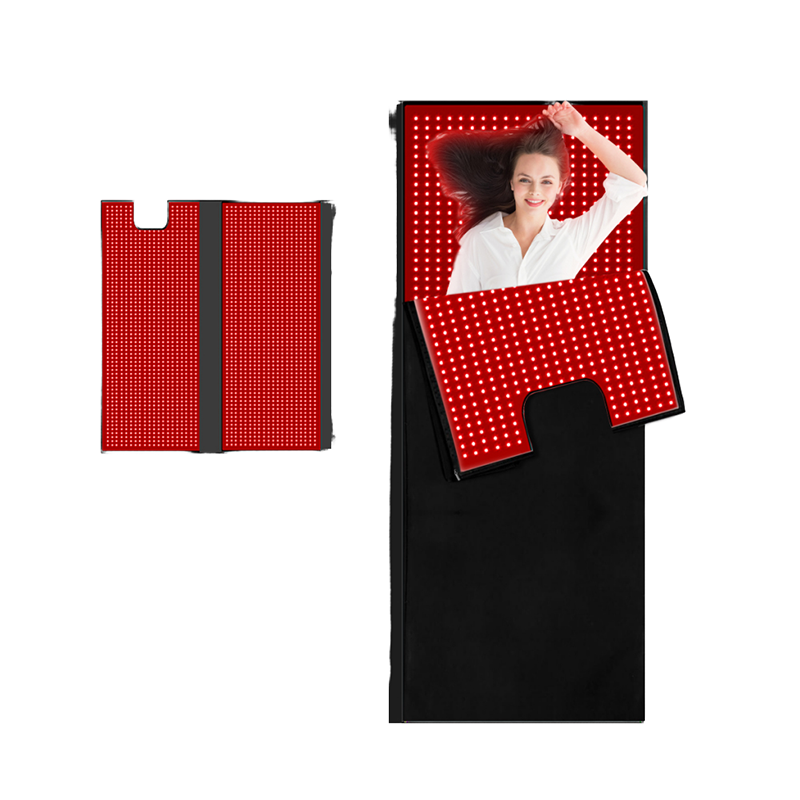
In this guide, we will dissect the physics of light penetration, the biological pathways of fotobiomoduliacija (the scientific term for light therapy), and why a multi-wavelength approach is the “gold standard” for everything from skincare to deep tissue recovery. Consider products like full-body red light therapy panels, 3D face red light therapy masks, ir FDA-cleared wrinkle therapy masks for home use.
The “Optical Window”: Why These Specific Wavelengths?
Our bodies are selective about light. While the sun provides a massive spectrum of energy, different wavelengths have different effects. Ultraviolet (UV) light, for example, is essential for Vitamin D but can damage DNA if over-applied. Far-infrared creates heat by vibrating water molecules (as seen in infrared saunas).
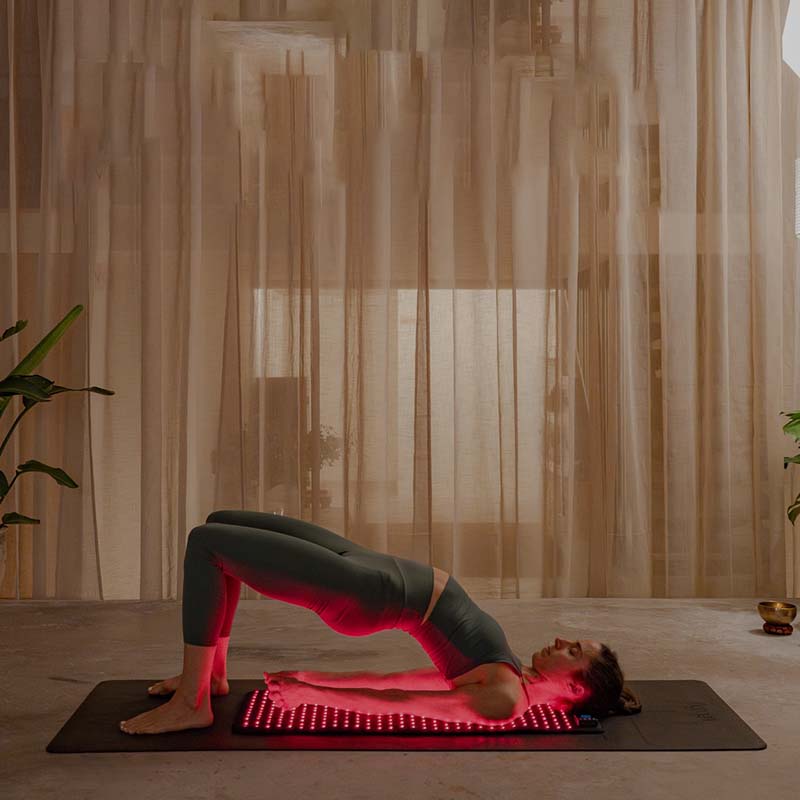
However, between 600 nm and 900 nm, there exists an “Optical Window.” In this range, light can pass through skin and tissue with minimal interference, reaching the cellular level to trigger healing responses. Devices like red light sauna mats exploit this window for deep tissue therapy.
1. The Visible Spectrum: Red Light (600 nm – 700 nm)
Visible red light is the “skincare specialist.” Because its wavelengths are shorter, they are primarily absorbed by the upper layers of the skin. It is the go-to for collagen synthesis, reducing fine lines, and managing surface-level inflammation.
2. The Invisible Spectrum: Near-Infrared (700 nm – 1200 nm)
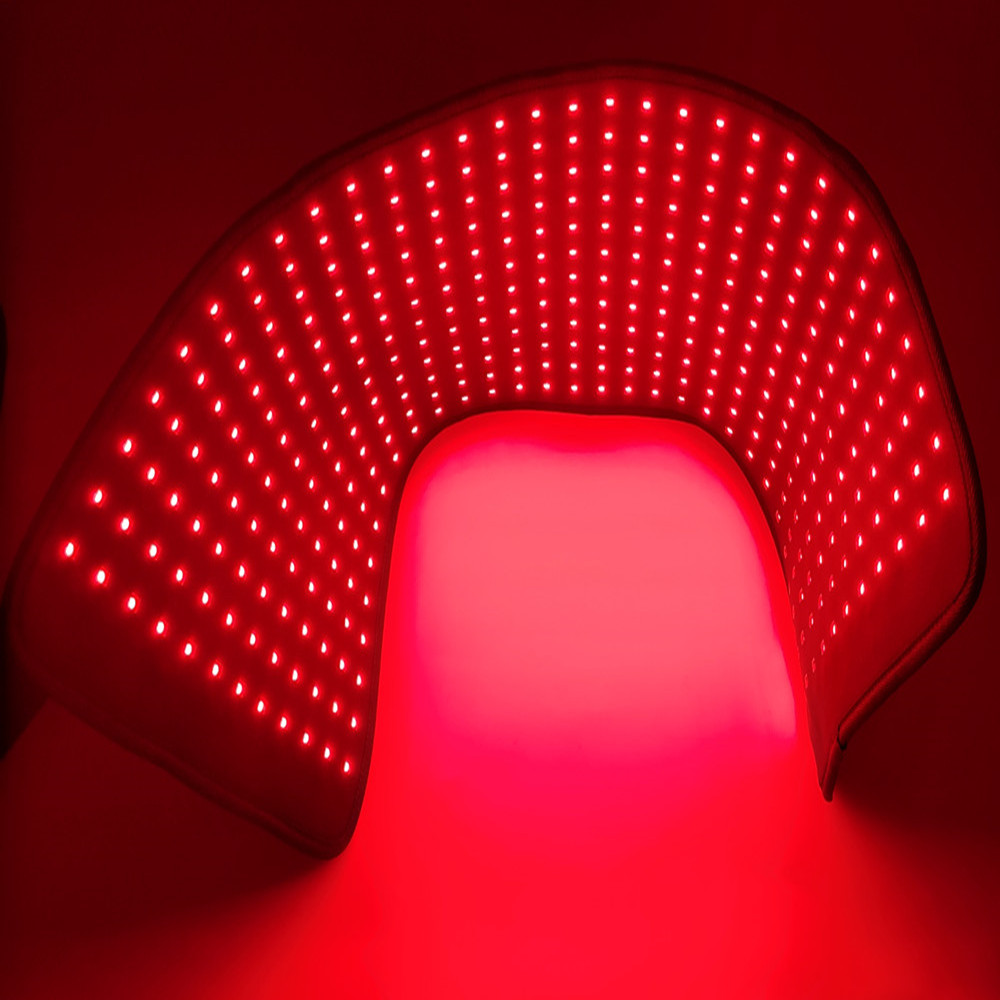
NIR light is the “deep-tissue therapist.” These wavelengths are longer, allowing them to bypass the skin’s surface and dive deep into muscles, bones, and even the brain. NIR light doesn’t provide a “glow” because your eyes can’t see it, but your cells certainly feel it. For targeted home therapy, try full-body therapy blankets that cover the NIR spectrum.
Deciphering the Depths: How Light Navigates Human Anatomy
To understand which wavelength you need, you have to understand the “terrain” of the human body. Light travels through multiple layers of biological barriers, and its absorption depth is wavelength-dependent.
- The Epidermis: The outermost layer (0.05 mm to 1.5 mm thick). Red light (630–660 nm) handles this area beautifully, stimulating the rejuvenation of skin cells.
- The Dermis: Beneath the epidermis (1–4 mm thick), where collagen and elastin reside. For anti-aging benefits, light must reach the fibroblasts in this layer.
- The Hypodermis and Beyond: This subcutaneous tissue can be up to 3 cm thick, housing fat, nerves, and blood vessels. To reach internal organs, deep muscle tissue, or bone, Near-Infrared light (800 nm+) is required.
Scientific Fact: Research in Lasers in Medical Science indicates that while red wavelengths (610–670 nm) typically penetrate up to 5 mm, NIR wavelengths (810–850 nm) can reach much deeper, impacting muscle recovery and bone density.
The “Golden Five”: A Breakdown of Essential Wavelengths
1. 630 nm: The Surface Refiner
Ideal for the very top layers of the skin, this wavelength helps reduce the appearance of pores, skin roughness, and has shown promise in hair regrowth by stimulating hair follicles.
2. 660 nm: The Cellular Energizer
This is the most clinically studied red light wavelength. It is the “sweet spot” for Cytochrome c oxidase, an enzyme in mitochondria essential for energy production.
- Reduced Inflammation: A study on pleurisy in rats found 660 nm induced anti-inflammatory effects.
- Wound Healing: A 2013 study found 660 nm increased new blood vessel formation and collagen deposition.
- Bone Healing: Research from 2015 showed 660 nm was more effective than 830 nm in increasing initial ATP production in vitro.
3. 810 nm: The Brain Booster
This wavelength is uniquely capable of crossing the blood-brain barrier, offering neurological benefits.
- Stroke Recovery: One study showed significant improvement in moderate-to-severe stroke patients 5 days post-treatment.
- TBI Recovery: A 2007 pilot study found 810 nm NIR light effective in promoting recovery from traumatic brain injuries in animal models.
- Psychiatric Support: A 2009 study co-authored by Michael Hamblin showed 810 nm light applied to the forehead helped patients with major depression and anxiety.
4. 830 nm: The Recovery Specialist
This wavelength accelerates healing for wounds and warding off infection.
- Plastic Surgery: South Korean researchers found 830 nm exposure post-surgery reduced swelling, bruising, and pain.
- Athletic Injury: A 2016 study confirmed that 830 nm therapy significantly reduced “return-to-play” time for athletes with sprains and ligament damage.
5. 850 nm: The Deep Tissue Heavyweight
As the longest of the common therapeutic wavelengths, 850 nm offers the deepest penetration.
- Muscle Recovery: A 2016 study found 850 nm increased muscle mass after training while decreasing oxidative stress.
- Orthodontics: A 2016 clinical trial confirmed 850 nm supported faster realignment of teeth.
Synergy: The Power of Five Wavelengths
When you combine 630 nm, 660 nm, 810 nm, 830 nm, and 850 nm simultaneously, you create a “net” effect. The longer wavelengths actually amplify the effects of the shorter ones. As light photons enter the skin, they scatter and change direction; by having multiple wavelengths active, the “net” of energy is larger and more saturated.
A study in MedEsthetics (2012) found that while individual wavelengths promote collagen, patients treated with combinations (like 630 nm/850 nm or 660 nm/830 nm) showed superior results.
Irradiance: Why Power Output Is Critical
Wavelength determines where the light goes; Apšvitinimas determines how much light actually gets there. Irradiance is measured in milliwatts per square centimeter ($mW/cm^2$).
| Power Level | Effectiveness | Typical Use Case |
|---|---|---|
| High ($>100 mW/cm^2$) | Deep penetration, shorter sessions. | Muscle recovery, joint pain, bone density. |
| Low ($<30 mW/cm^2$) | Surface level only. | Minor skin maintenance. |
An underpowered device won’t deliver the light photons with the intensity needed to push the light deep into the body’s tissues, regardless of the wavelength used.
The Biological Mechanism: Correcting Mitochondrial Dysfunction
Our health depends on healthy cells. For a cell to function, it needs energy produced by the mitochondrijos in the form of Adenosine Triphosphate (ATP). When we are stressed, injured, or ill, mitochondria can produce excess nitric oxide, which displaces oxygen and halts ATP production—a state known as mitochondrial dysfunction.
Red and NIR light therapy works by:
- Stimulating ATP: Chromophores in the mitochondria absorb light photons, boosting energy production.
- Reducing Inflammation: Light therapy helps reduce the oxidative stress caused by excess nitric oxide, protecting cells from damage.
- The Ripple Effect: Energized cells (like fibroblasts) synthesize proteins like collagen and elastin, improving skin, muscle, and joint health.
A 2020 article in Frontiers in Aging Neuroscience even links mitochondrial health to the potential treatment of Parkinson’s disease using red light therapy.
How to Use Red Light Therapy at Home
To achieve professional results at home, consider the following protocol:
1. Equipment Choice
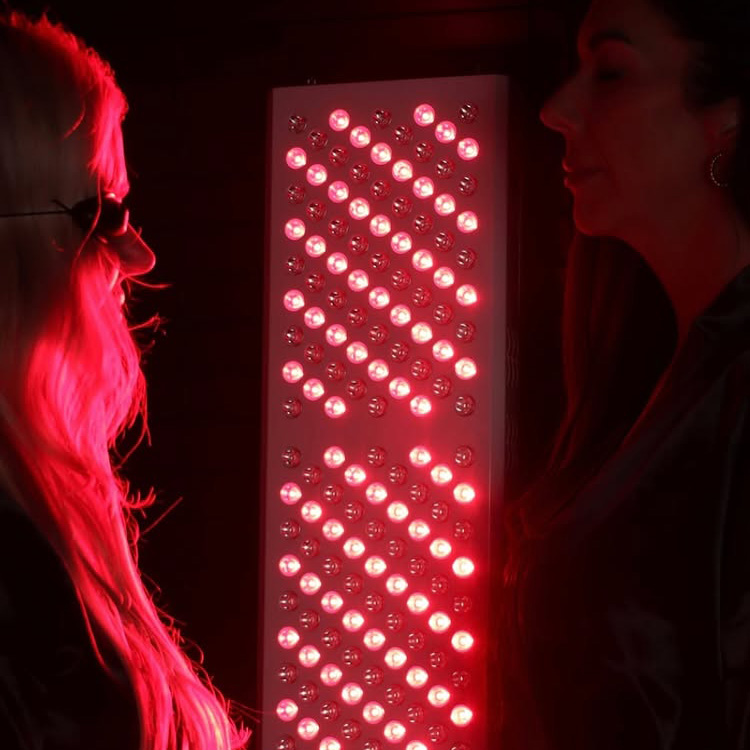
Look for devices that offer a full spectral array (such as the BIOMAX series) so you don’t have to choose between skin and deep tissue benefits. Ensure the device has high irradiance to maximize photon absorption. Recommended options include commercial full-body panels ir FDA-approved therapy mats.
2. Frequency and Duration
Consistency is more important than session length.
- Starting Out: A few minutes a day to assess sensitivity.
- Maintenance: 10–20 minute sessions, 3–5 times per week.
- Timeline: Expect 1–4 months for significant cellular changes and tissue repair.
3. Safety and Preparation
- Clean Skin: Remove lotions or sunscreens that might block light.
- Consultation: Speak with a doctor if treating chronic conditions or sensitive areas like the eyes.
- Distance: Position yourself closer for deep tissue (approx. 6 inches) and further away for skin coverage.
The Takeaway
While every individual wavelength in the red and NIR spectrum offers unique benefits, they are best in combination. By utilizing a spectrum of 630 nm to 850 nm, you ensure that every layer of tissue receives the maximum light energy possible, resulting in an unprecedented synergy for healing, recovery, and anti-aging.
 English (United States)
 French (Canada)
 English (UK)
 English (Australia)
 English (Canada)
 English (New Zealand)
 English (South Africa)
 Bulgarian
 Croatian
 Arabic
 Czech
Czech Danish
 Dutch
Dutch Estonian
 Finnish
 French (France)
 Turkish
 Swedish
 Spanish
 Slovenian
 Georgian
 German
 Greek
Greek Hebrew
 Hungarian
 Icelandic
 Indonesian
 Italian
 Japanese
 Korean
 Latvian
 Lithuanian
 Slovak
 Serbian
 Portuguese
 Luxembourgish
 Irish
Irish Romanian
 Russian