
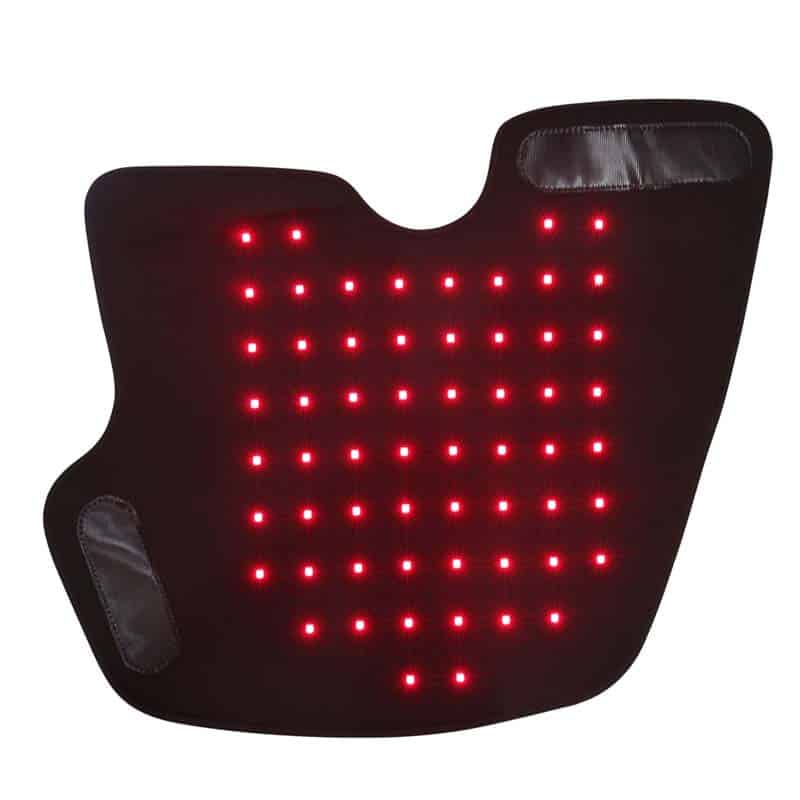
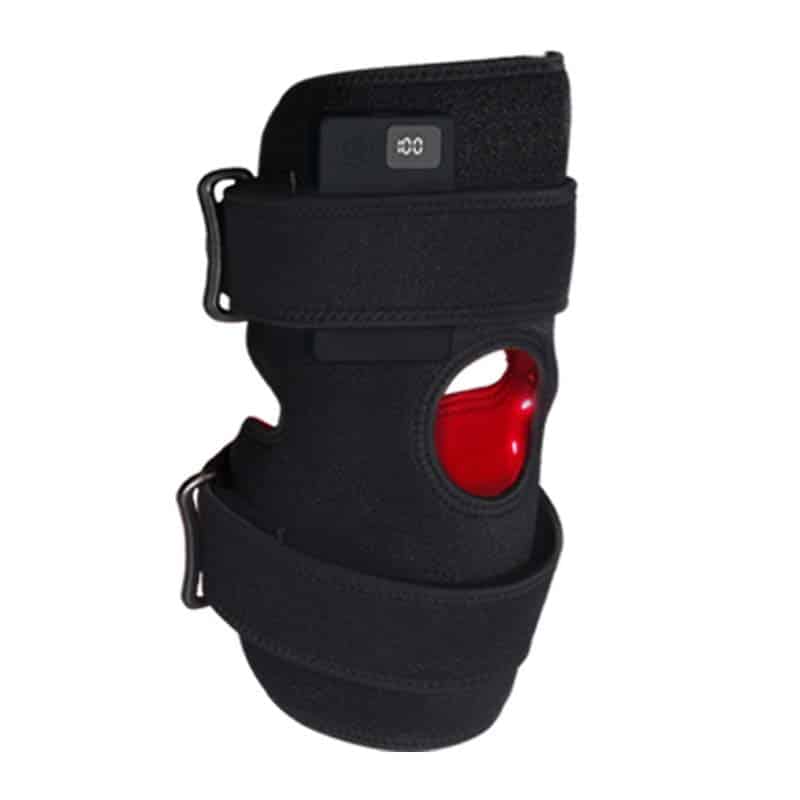
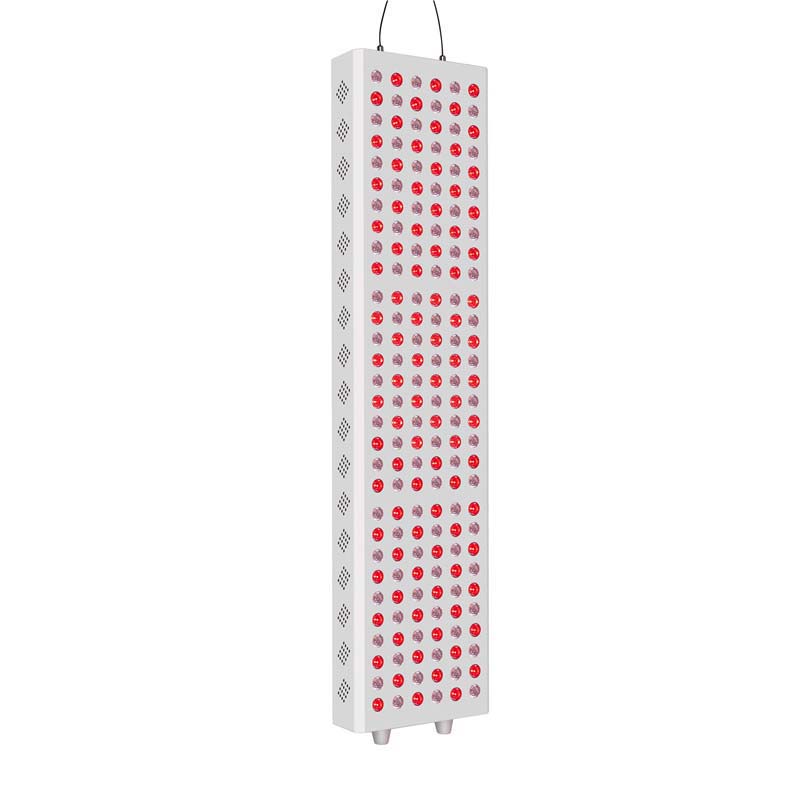
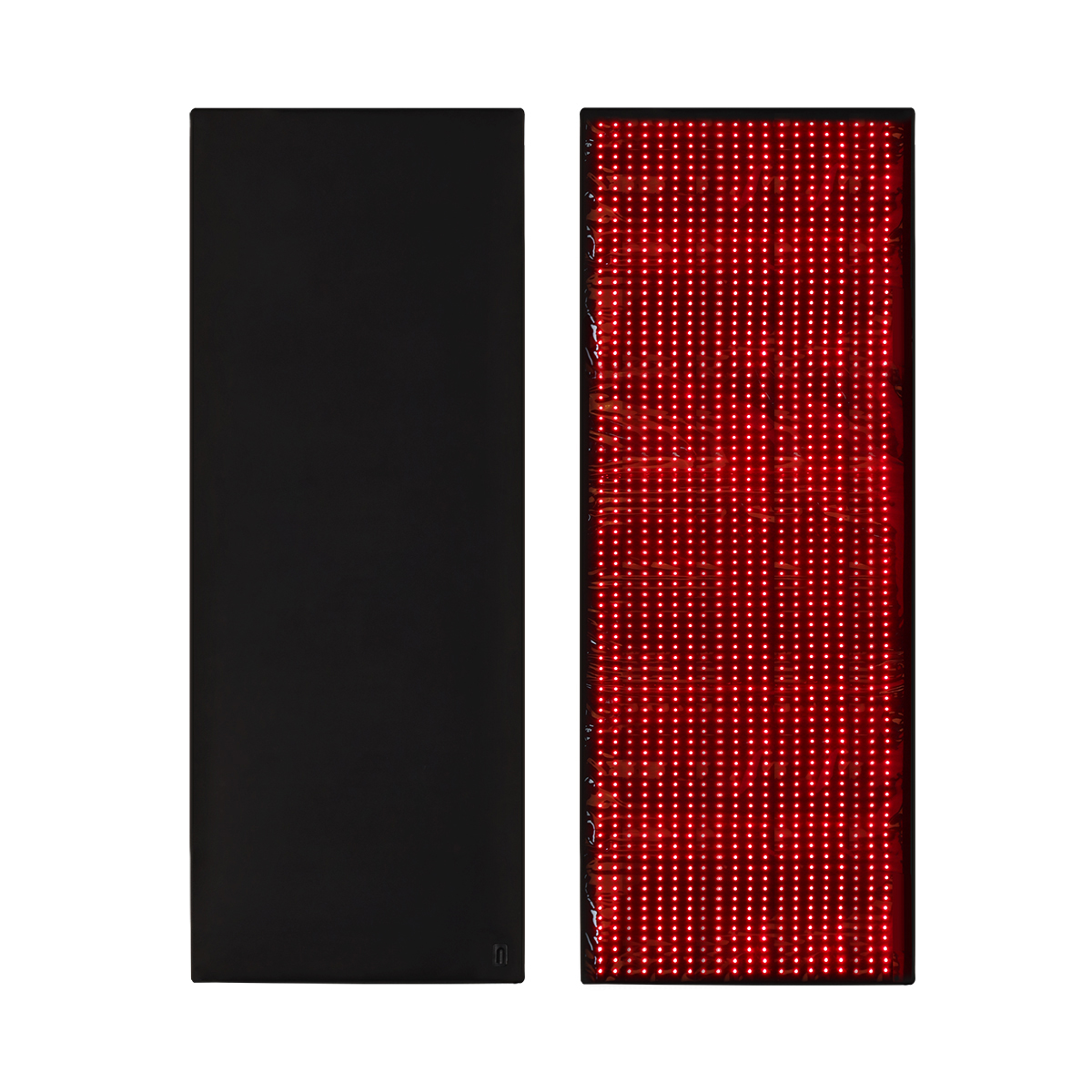
Yes, red light therapy can technically go through clothes, but wearing clothing during a session is generally not recommended because it significantly diminishes the treatment’s effectiveness. While red and near-infrared light wavelengths possess the unique physical ability to penetrate various materials, any fabric acting as a barrier will scatter, reflect, or absorb a large portion of the therapeutic photons before they can reach your skin and underlying tissues. To harness the full healing potential of red light therapy—whether you are aiming to accelerate muscle recovery, rejuvenate your skin, or soothe joint pain—it is highly advised to expose your bare skin directly to the light source. By removing the physical barrier of clothing, you ensure that your cells receive the optimal dosage of light energy required to stimulate biological repair and cellular efficiency.
In recent years, the wellness and medical communities have witnessed an astronomical rise in the popularity of red light therapy, and it is entirely well-deserved. Modern healthcare consumers are constantly searching for alternatives to exorbitant medical bills, invasive treatments, and the frustrating cycle of managing chronic pain with temporary fixes. When a non-invasive, straightforward solution promises to deliver profound results at a fraction of the cost and risk, people naturally take notice. Whether you are battling persistent muscular aches, struggling with stubborn dermatological conditions, or simply looking to optimize your overall health, this modality could very well be the transformative game-changer you have been seeking.
Despite the surging mainstream appeal of red light therapy devices, navigating the sea of information available online can be overwhelming. Reliable, scientifically backed guidance is often buried under marketing jargon. What exactly is the science behind this treatment? How can you seamlessly integrate it into your daily home routine? And, most importantly, what are the best practices regarding physical exposure? In this comprehensive, in-depth guide, we will explore every facet of this innovative treatment, addressing all your burning questions and delving deeply into the science of light penetration, fabric physics, and cellular health.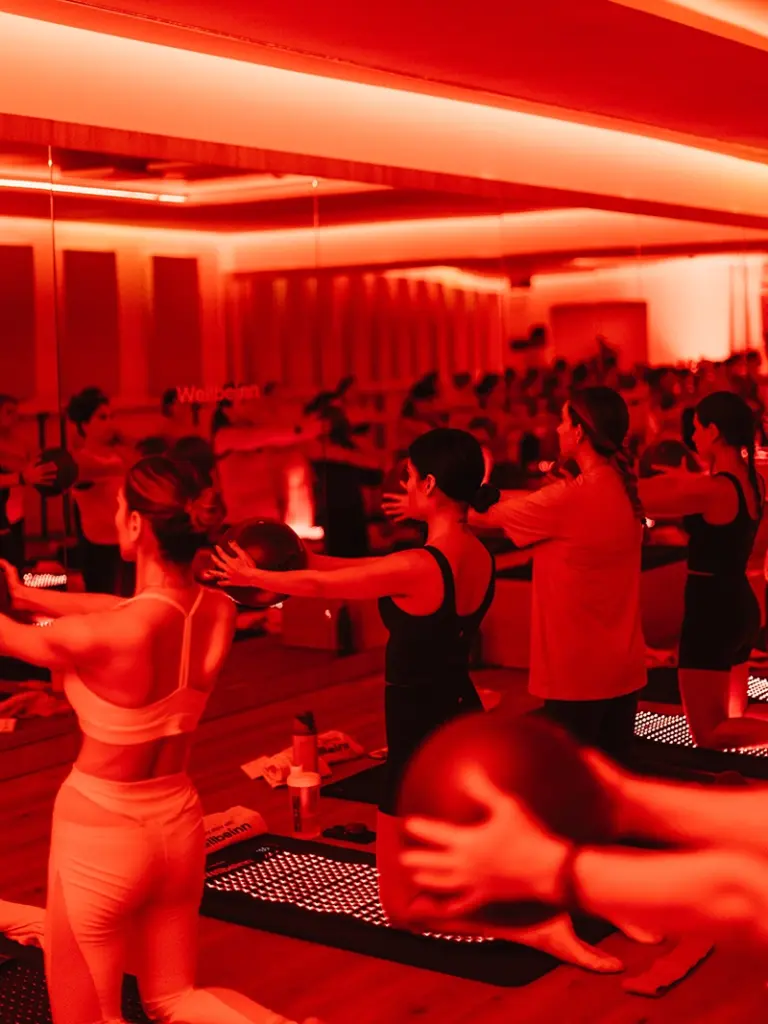
What Is Red Light Therapy, and Why Is It Revolutionizing Wellness?
To truly understand whether red light therapy can penetrate your clothing, we must first examine what this therapy is and how it functions on a microscopic level. Red light therapy, scientifically known as фотобиомодулация (PBM), involves the application of specific, low-level wavelengths of red and near-infrared (NIR) light to the body. Unlike ултравиолетова (UV) светлина from the sun, which can damage the DNA in your skin cells and cause sunburn, red and near-infrared light falls into a completely safe, non-ionizing portion of the electromagnetic spectrum. Instead of causing damage, these specific wavelengths penetrate the skin and are absorbed by the митохондрии—the powerhouse of your cells.
When the mitochondria absorb these light particles (photons), it stimulates the production of аденозин трифосфат (АТФ). ATP is the primary energy currency of all living cells. By boosting ATP production, red light therapy essentially gives your cells the fuel they need to function optimally, repair themselves faster, and reproduce healthier cells. This increase in cellular energy is the foundational reason why red light therapy is celebrated for its wide array of health benefits.
The most extraordinary aspect of the modern red light therapy revolution is accessibility. You no longer need to book expensive appointments at specialized clinics or sports rehabilitation centers. Today, you can perform clinical-grade treatments from the ultimate comfort of your own home, provided you invest in a high-quality, scientifically validated device.
For photobiomodulation to be truly effective, the light source must emit highly specific wavelengths. Extensive clinical research has demonstrated that the “therapeutic window” of light primarily consists of red light and near-infrared light.
- Red Light Wavelengths (630nm and 660nm): These wavelengths are highly absorbed by the outer layers of the skin. They are exceptional for promoting collagen production, reducing the appearance of fine lines and wrinkles, speeding up the healing of surface wounds, and improving overall skin tone and texture.
- Near-Infrared Wavelengths (810nm, 830nm, and 850nm): Near-infrared light is invisible to the human eye and has a longer wavelength, which allows it to penetrate much deeper into the body. It passes through the skin and reaches muscles, tendons, ligaments, and even bone. This makes NIR ideal for deep tissue repair, reducing joint inflammation, and aiding in sports injury recovery.
The cumulative health perks of utilizing these wavelengths are staggering. From accelerating the healing process of full-thickness skin grafts to alleviating chronic arthritis pain, the applications are vast. As more individuals experience these life-enhancing benefits, the foundational question of how to maximize the treatment—such as whether to wear clothes—becomes increasingly critical.
Why Does Fabric Interfere With Red Light Therapy Penetration?
Many individuals logically assume that because clothing acts as a shield against harmful UV rays on a sunny day, it might be perfectly fine—or even beneficial—to wear clothes during a light therapy session. However, the exact opposite is true. The goal of red light therapy is not to block light, but to absorb as much of it as possible. Red light therapy devices do not emit any harmful UV rays; they operate on the opposite end of the visible light spectrum.
To understand why clothes interfere with your session, we must look at the physics of light behavior when it encounters a physical barrier. When emitted from your device, photons travel through the air toward your body. If they encounter bare skin, they immediately begin to penetrate the dermal layers. However, if they encounter a cotton shirt, a wool sweater, or synthetic yoga pants, three things happen:
- Reflection: A significant portion of the light bounces off the surface of the fabric. Fibers, especially synthetic ones or those that are tightly woven, act as microscopic mirrors that scatter the light away from your body.
- Absorption: The dye and the material of the fabric itself act as a sponge, absorbing the light energy. Instead of the light energy transferring into your cellular mitochondria, it simply warms up your clothing.
- Scattering: The light that does manage to push through the threads of the fabric is scattered in multiple directions, losing its focused intensity. By the time it reaches your skin, the power density (the amount of light energy delivered per square centimeter) is drastically reduced.
While red and near-infrared light can penetrate fabrics to a minor degree, the process is highly inefficient compared to direct skin exposure. The specific reduction in therapeutic efficacy depends heavily on the fabric’s characteristics: its color, its stretch, its moisture content, and the density of its weave.
Because many health conditions require deep light penetration—such as repairing a torn meniscus, reducing inflammation in the lower back, or facilitating muscle recovery after a grueling workout—it is imperative to deliver the maximum possible dose of light. Surface-level, weakened penetration caused by a layer of clothing will simply not offer the desired results for these deep-rooted problems. To truly unlock the device’s full potential and secure the best return on your investment, baring the skin is the golden rule.
What Clothing Can I Wear If I Must Remain Dressed During a Session?
While the scientific consensus heavily favors applying red light therapy directly onto naked skin, practicality and comfort must also be considered. There are various scenarios where you might need or prefer to remain clothed. You might be in a shared living space, you might find your home too cold, or you might be using a device in a semi-public clinical setting. If you must wear clothes, you can mitigate the loss of light energy by carefully selecting the right fabrics.
If you are aiming for maximum penetration while clothed, consider the following fabric guidelines:
Pick Lightweight and Breathable Fabrics
The physical density of your clothing directly correlates with how much light is blocked. Heavy winter coats, thick wool sweaters, and dense denim jeans will block nearly 100% of the therapeutic light. Instead, opt for ultra-lightweight, breathable, and loosely woven fabrics. Pure linen, sheer cotton, and lightweight muslin are excellent examples. These materials have tiny gaps between their fibers, allowing a higher percentage of photons to slip through and reach your skin. Not only do these breathable fabrics make the therapy more efficient, but they also prevent you from overheating and keep you comfortable throughout the duration of your session.
Choose Lighter Colors and Shades
The color of your clothing plays a massive role in light absorption. Dark colors—such as black, navy blue, deep crimson, and dark brown—are known to absorb almost all light across the visible spectrum. If you wear a black shirt during your session, the shirt will absorb the red light, leaving almost none for your skin. Conversely, lighter colors and shades, particularly white, light grey, or pale pastels, do not absorb light nearly as much. While white fabric does reflect some light, it allows significantly more light to transmit through to the skin compared to its dark counterparts.
Avoid Synthetics, Thick Materials, and Shiny Textures
You must strictly avoid heavy materials like fleece, velvet, or corduroy. Furthermore, shiny synthetic fabrics like polyester, nylon, and spandex (commonly found in activewear) are highly reflective. Even if they are thin, their reflective sheen acts as a barrier, bouncing the red light back toward the device. You should also avoid tight-fitting clothing. While it might seem like tight clothing brings the fabric closer to the skin, it actually condenses the fibers, creating a denser, more impenetrable wall.
In summary, if modesty or comfort dictates that you must remain clothed during your photobiomodulation therapy, prioritize loose-fitting, highly breathable, sheer, and light-colored natural fibers. This compromise will help you retain as much of the treatment’s benefits as physically possible.
How Do You Perform a Flawless Red Light Therapy Session at Home?
Bringing clinical technology into your home is a fantastic privilege, but achieving clinical results requires following a disciplined, structured routine. Performing red light therapy at home should be a deeply relaxing, restorative ritual. By following these meticulously detailed steps, you can ensure you are getting the absolute most out of your premium devices.
Step 1: Clean and Prepare Your Skin
Preparation is the cornerstone of effective therapy. Before turning on your device, ensure that the target area of your skin is completely clean and dry. You must remove all lotions, moisturizers, thick creams, sunscreens, and makeup. Sunscreen, in particular, is designed to block light, and many cosmetics contain minerals like zinc or titanium dioxide that will reflect the red light. Just like thick clothing, these topical layers lower the absorption rate of both red and infrared wavelengths. Exception: If you are utilizing red light therapy specifically to enhance the absorption of a water-based, light-activated skincare serum (such as a green tea extract or hyaluronic acid), you may apply a thin layer prior to the session.
Step 2: Position Your Device with Precision
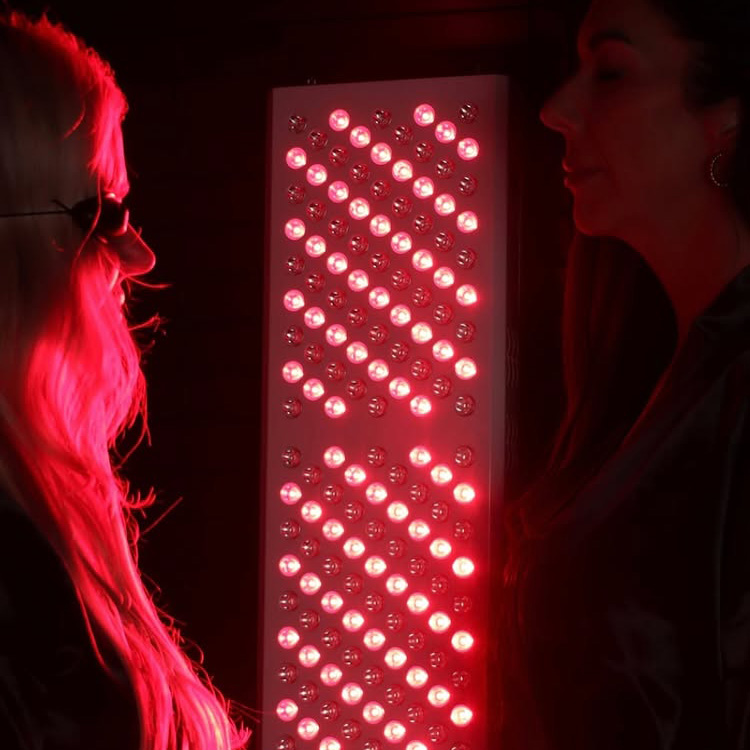
The distance between the light source and your skin dictates the intensity of the treatment, guided by the inverse square law of light. If you stand too far away, the light loses its power; if you stand too close, you may not cover a large enough surface area. For optimal clinical results, position your panel or device exactly 6 to 12 inches away from the bare skin of the targeted area. This sweet spot ensures that the power density remains high enough for deep tissue penetration while covering an adequate area of the body.
Step 3: Set Your Timer for the Optimal Dose
In the world of photobiomodulation, more is not always better. Light therapy operates on a principle known as the двуфазен дозов отговор. This means that a specific, optimal dose provides the maximum cellular benefit. If you under-dose, you won’t see results. If you over-dose, you diminish the benefits and the cellular response drops off. Therefore, you should not deliver the therapy for more than 10 to 20 minutes at a time per treatment area. Setting a timer is crucial; it prevents you from losing track of time, overheating the tissues, or accidentally over-treating the area.
Step 4: Prioritize Eye Protection
Red and near-infrared light are generally considered safe for the eyes and can even benefit visual health when used correctly under medical supervision. However, the sheer brightness of high-powered at-home panels can cause severe eye strain, glare, and discomfort. If you are treating an area near your face, neck, or upper chest, it is highly recommended to wear safety goggles or specialized eye shields. It is always better to exercise an abundance of caution and protect your vision from intense LED glare.
Step 5: Cultivate a Relaxing Environment
Your physical state during the session matters. Turn on the device, secure your eye protection, and actively give in to relaxation. Red light therapy inherently possesses soothing, warming effects that calm the nervous system. You can elevate this experience by turning it into a dedicated mindfulness practice. Put on calming music, play an engaging audiobook, or listen to a guided meditation. By lowering your stress levels and engaging your parasympathetic nervous system (the “rest and digest” state), your body is better equipped to utilize the cellular energy being generated.
Step 6: Practice Unwavering Consistency
Red light therapy is not a magic pill that cures ailments in a single session; it is a cumulative therapy that builds upon itself over time. To achieve lasting, noticeable results—whether that is increased skin elasticity, reduced acne, or profound pain relief—you must be consistent. Ideally, you should aim for a dedicated routine of 3 to 5 sessions per week, lasting 10 to 20 minutes per session. Make it an integral part of your morning or evening routine, just like brushing your teeth.
Where Can You Find the Best Red Light Therapy Device, and What Features Matter Most?
Because of the massive internet hype surrounding red light therapy, particularly LED face masks and body panels, the market has become saturated with thousands of options. Unfortunately, not all devices are created equal. Many cheap knock-offs look legitimate but lack the clinical power to cause any biological change. To ensure you are investing your money wisely and safeguarding your health, you must critically evaluate the following technical specifications before making a purchase:
Look at Wavelength Emission and Dual-Chip Technology
Decades of rigorous scientific studies have unequivocally shown that your device must emit both red and near-infrared (NIR) wavelengths to provide comprehensive results. While red light (630nm/660nm) works incredibly well on surface-level dermatological issues, NIR light (810nm/850nm) is the heavy lifter that penetrates deeper into the skin to tackle underlying root problems like muscle tears and joint pain. The best devices on the market utilize dual-chip technology to ensure that you receive a balanced, synergistic blend of both wavelengths simultaneously, making them the ultimate tools for home wellness.
Check the Power Density (Irradiance)
Power density, officially measured in milliwatts per square centimeter (mW/cm²), is the most crucial metric of any device. It measures exactly how much light energy is physically being delivered to the surface of your skin at a given distance. Devices with a higher power density output possess much better penetration capabilities, meaning shorter session times and more profound results. Always verify the power density at a 6-inch distance, as some brands deceptively market their irradiance at a 0-inch distance.
Evaluate the Number of LED Lights and Beam Angle
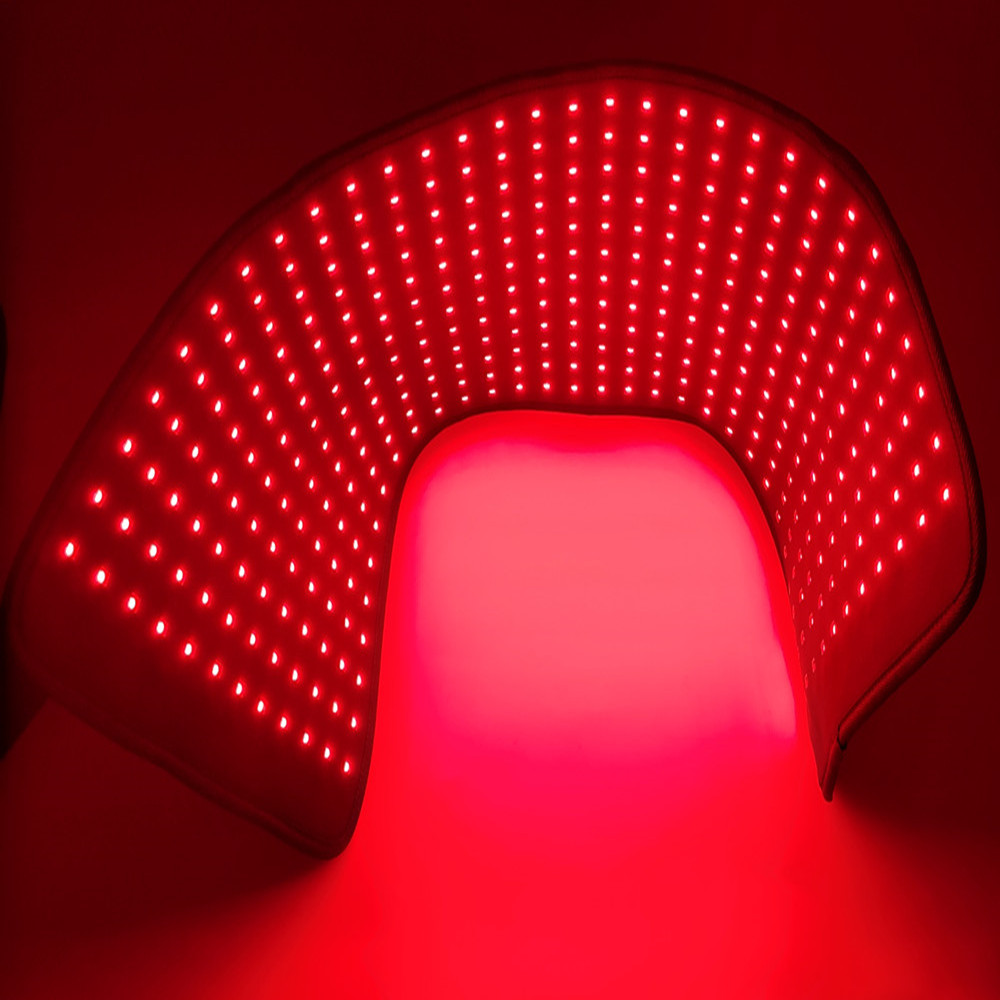
A higher concentration of individual medical-grade LEDs will distribute the therapeutic light much more evenly across your body, eliminating “dead zones” and leading to a more effective, uniform treatment. You should always pick a device, whether it’s a full-body panel or an LED face mask, that is densely packed with high-quality bulbs. Furthermore, look for devices with focusing lenses (typically 30 to 60-degree beam angles) that direct the light straight into your body rather than letting it scatter uselessly across the room.
Demand Rigorous Safety Certifications
You are exposing your body to electrical equipment and concentrated light; therefore, safety cannot be compromised. Any red light device or face mask you use must comply with the absolute highest international safety certifications. Look for devices that are fully FDA-cleared or FDA-compliant, and ensure they satisfy stringent electrical safety standards such as AS/NZS 60335.2.27:2020, AS/NZS 60335.1:2020, and CE markings. These certifications guarantee that the device will not cause electrical shorts, burns, or other hazards.
Ensure the Device is Free from Flicker and High EMFs
Many low-quality LED devices suffer from invisible “flickering” caused by cheap power drivers. Even if you cannot consciously see it, flickering lights bombard the brain, causing severe eye strain, migraines, and general discomfort, thereby decreasing the overall relaxing effectiveness of your session. Additionally, cheap electronics can emit high levels of Electromagnetic Fields (EMF), which can negate the health benefits of the therapy. Top-tier devices are specifically engineered to have zero flicker and zero EMF emission at the recommended treatment distance.
Look for Integrated Safety Features
A reputable manufacturer cares about the end-user experience. Ensure that the device you choose comes bundled with necessary safety accessories, such as medical-grade blackout goggles. Furthermore, the device should ideally have a built-in digital timer or auto-shutoff feature. This allows you to drift into relaxation without the anxiety of accidentally leaving the intensely bright lights on for too long and over-treating your skin.
Two Additional Features for Your Red Light Therapy Journey
To further elevate your understanding and mastery of red light therapy, we have included two exclusive, highly practical resources to guide your daily use.
Feature 1: The Fabric Transmissivity Breakdown
If you find yourself in a situation where you absolutely must wear clothing during a red light therapy session, this reference guide ranks common fabrics from best (least obstructive) to worst (most obstructive):
- Optimal Compromise (Allows Moderate Light Through):
- Sheer Muslin: Extremely thin and loosely woven; the best option if skin coverage is strictly required.
- Lightweight Organic Cotton (White): Breathable and allows a fair amount of red light to pass due to its natural fiber structure.
- Pure Linen: Highly breathable with macroscopic gaps in the weave, allowing decent photon transmission.
- Moderate Obstruction (Blocks Significant Light):
- Standard T-Shirts (Colored): Dyes act as light absorbers. A standard colored t-shirt will cut the effectiveness of the therapy by more than half.
- Thin Synthetics (Polyester/Spandex): While thin, the shiny nature of the plastic fibers causes high levels of light scattering and reflection.
- Total Obstruction (Avoid at All Costs):
- Denim: Tightly woven and heavily dyed; completely impenetrable by light therapy devices.
- Wool/Fleece: Thick, dense, and fluffy. Absorbs 100% of the light and will simply heat up, providing no cellular benefit.
- Black/Dark Clothing: The color black physically absorbs all visible and near-infrared light wavelengths, rendering the therapy entirely useless.
Feature 2: The Perfect Home Session Checklist
Print this out or keep it on your phone to ensure you are maximizing every single minute of your photobiomodulation routine:
- Hydrate: Drink a glass of water before your session. Well-hydrated cells respond better to ATP stimulation.
- Strip Down: Remove clothing from the specific area you intend to treat.
- Cleanse: Wash away any makeup, sunscreen, or thick lotions from the target area.
- Measure: Ensure you are sitting or standing exactly 6 to 12 inches from the light panel.
- Protect: Put on your safety goggles, especially if the device is facing your upper body.
- Set the Time: Program your timer for 10 to 20 minutes to respect the biphasic dose response.
- Breathe: Take three deep breaths, close your eyes, and allow the light to do its restorative work.
Често задавани въпроси (ЧЗВ)
To ensure absolutely no stone is left unturned, here are three of the most frequently asked questions regarding red light therapy and clothing, answered comprehensively:
1. Can you wear clothes when using red light therapy?
Yes, you certainly can wear clothes during a session without causing any harm to yourself or the device. However, from a purely clinical and therapeutic standpoint, we highly recommend uncovering the specific area where you aim to direct the therapy. Removing your clothing eliminates the physical barrier, which exponentially improves the absolute absorption and deep tissue penetration of the light rays. If you wear clothes, you are effectively wasting a large percentage of the device’s healing power.
2. Can red light be absorbed through clothes?
Theoretically and physically, a small percentage of red light can be absorbed through clothing, but the vast majority of the light will be blocked, scattered, or reflected. The exact amount of light absorbed depends entirely on the thickness, color, and weave of the fabric. For example, a laser or high-powered LED might push a fraction of its light through a thin white t-shirt, but that fraction is rarely enough to provide the deep cellular stimulation necessary for significant health benefits.
3. Do clothes block infrared?
Yes, clothes absolutely block infrared and near-infrared light, especially if you are wearing something tightly fitted, thickly woven, or synthetic. While near-infrared light has a longer wavelength than visible red light (allowing it to penetrate human tissue much deeper), it is still a form of light energy that is highly susceptible to physical barriers. Dark colors and heavy fabrics, such as winter wear or denim, will absorb or block massive amounts of the near-infrared light, completely preventing it from reaching your muscles or joints.
Заключение
In the ever-evolving landscape of health, wellness, and biohacking, red light therapy stands out as one of the most accessible, scientifically validated, and genuinely transformative modalities available today. By utilizing the specific powers of red and near-infrared wavelengths, we can fundamentally enhance our cellular health, combat the signs of aging, accelerate the healing of injuries, and significantly reduce systemic inflammation.
However, technology is only as effective as the way we choose to utilize it. The answer to the pressing question—”does red light therapy go through clothes?”—is a resounding reminder that to achieve greatness, we must remove the barriers in our way. While the light can technically fight its way through thin, lightly colored fabrics, doing so robs you of the full, potent power of the treatment.
To respect the investment you have made in your health and your device, prioritize direct skin exposure. Prepare your body, measure your distance, protect your eyes, and let the light bathe your cells exactly as nature intended. By embracing these best practices, maintaining a consistent routine, and selecting high-quality, fully certified devices, you are not just performing a therapy; you are actively illuminating the path to a healthier, more vibrant, and pain-free life.
 English (United States)
 French (Canada)
 English (UK)
 English (Australia)
 English (Canada)
 English (New Zealand)
 English (South Africa)
 Bulgarian
 Croatian
 Arabic
 Czech
Czech Danish
 Dutch
Dutch Estonian
 Finnish
 French (France)
 Turkish
 Swedish
 Spanish
 Slovenian
 Georgian
 German
 Greek
Greek Hebrew
 Hungarian
 Icelandic
 Indonesian
 Italian
 Japanese
 Korean
 Latvian
 Lithuanian
 Slovak
 Serbian
 Portuguese
 Luxembourgish
 Irish
Irish Romanian
 Russian