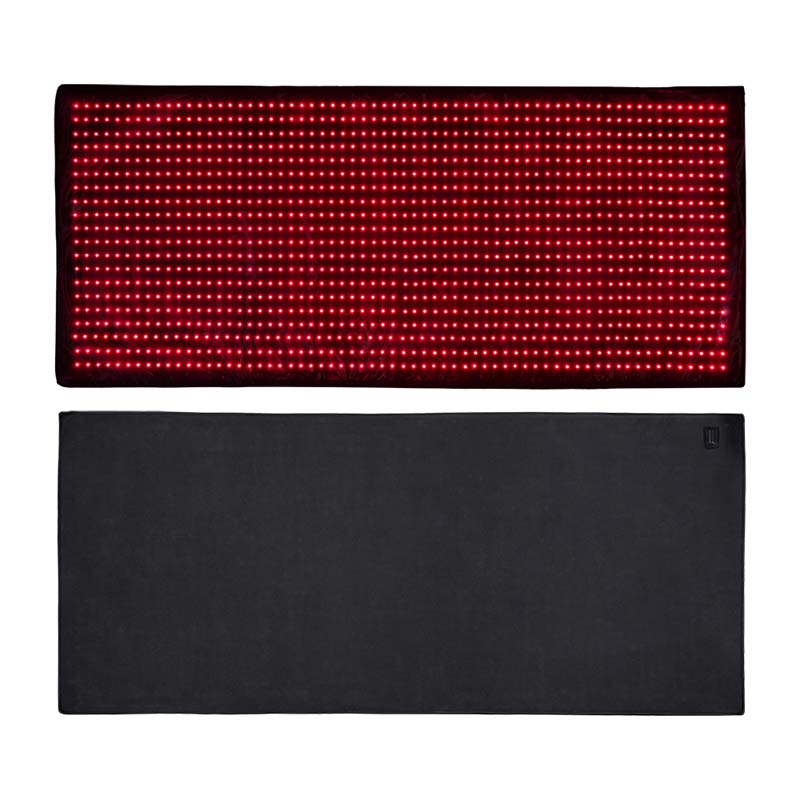
Че оптималната мощност зависи изцяло от специфичните здравни, козметични или възстановителни цели, които се опитвате да постигнете. За повърхностни кожни процедури, като например подсилване производство на колаген, намаляване на фините линии и лечение на леко акне, устройства с по-ниска мощност, работещи между 10 и 50 вата, обикновено се считат за най-добрия и най-подходящ избор. Ако целта ви е да се справите с локализирана болка в ставите, да намалите умерено възпаление или да ускорите заздравяването на леки наранявания, устройство със средна мощност в диапазона от 50 до 100 вата предлага перфектния баланс. Ако обаче сте спортист, търсещ дълбоко мускулно възстановяване, някой, който се справя с хронична болка в дълбоките тъкани, или човек, който се стреми към системно здраве на цялото тяло, устройства с висока мощност, работещи със 100 вата и много повече (понякога достигащи хиляди ватове за големи панели), са най-добрият вариант. Мощността определя чистата мощност и интензитет на излъчваната светлина; по този начин изборът на правилната мощност е основната стъпка за гарантиране, че вашите сесии с терапия с червена светлина са едновременно високоефективни и перфектно съобразени с вашите биологични нужди.
През последното десетилетие, терапията с червена светлина – известна още научно като фотобиомодулация (PBM)—се е превърнало от нишово, единствено клинично лечение в леснодостъпна, световно призната форма на холистично здраве. С нарастването на популярността на тази терапия, пазарът се насити с безброй устройства, вариращи от малки, носими маски до масивни, покриващи цялото тяло панели. С тази експлозия от опции идва и значително количество технически жаргон, който лесно може да затрудни средностатистическия потребител. Сред термини като дължини на вълните, облъчване, джаули и нанометри, “мощността” се откроява като една от най-важните, но често неразбрани спецификации. Разбирането на мощността не е просто да се знае колко електроенергия консумира едно устройство; става въпрос за разбиране колко дълбоко лечебната светлина може да проникне в тялото ви и колко бързо може да достави терапевтична доза до клетъчните ви структури.
Когато инвестирате в устройство за терапия с червена светлина, вие по същество инвестирате в инструмент, предназначен да подхранва вашите клетки. митохондрии, често наричани електроцентралите на вашите клетки, абсорбират тези специфични светлинни фотони и ги преобразуват в използваема биологична енергия, известна като Аденозин трифосфат (АТФ). Мощността на вашето устройство влияе директно върху обема и интензивността на фотоните, доставяни до тези митохондрии. Устройство с недостатъчна мощност няма да успее да проникне отвъд най-горните слоеве на кожата ви, оставяйки по-дълбоките мускули и стави напълно нетретирани. И обратно, устройство с прекомерна мощност, приложено неправилно, може да доведе до феномен, известен като... двуфазен дозов отговор, където клетъчните ползи всъщност са намалени поради свръхстимулация. Следователно, овладяването на концепцията за мощност е ключът към отключване на пълния, трансформиращ потенциал на фотобиомодулацията.
В това изчерпателно и подробно ръководство ще разгледаме всеки аспект от мощността на терапията с червена светлина. Ще разгледаме точно какви диапазони на мощност съответстват на специфични биологични лечения, как да се оцени истинската изходна мощност на устройството, сложната връзка между електрическата мощност и терапевтичното облъчване, както и експертни съвети за избор на най-доброто устройство, което да отговаря на вашето лично пътешествие към уелнес. Независимо дали сте ентусиаст на грижата за кожата, професионален спортист или просто искате да оптимизирате ежедневното си здраве, това ръководство ще ви освети пътя към избора на перфектното устройство за терапия с червена светлина.
1. Каква точно е най-добрата мощност за терапия с червена светлина въз основа на различни цели?
За да определите най-добрата мощност за вашия режим на терапия с червена светлина, е изключително важно първо да категоризирате устройствата, предлагани на пазара, и да разберете биологичните ограничения и възможности на всяко ниво на мощност. Устройствата за терапия с червена светлина обикновено са проектирани в три различни категории мощност: ниска, средна и висока. Всяка категория служи за специфична физиологична цел и разбирането на тези категории е от първостепенно значение за постигане на желаните резултати.
Устройства с ниска мощност (10 до 50 вата)
Устройствата, които работят в диапазона от 10 до 50 вата, обикновено са предназначени за целенасочени, повърхностни лечения. Тъй като изходната мощност е сравнително ниска, фотоните, излъчвани от тези устройства, се абсорбират предимно от епидермис и горните слоеве на дерма. Това прави устройствата с ниска мощност безспорни шампиони в козметичните и дерматологичните приложения. Когато използвате устройство с ниска мощност, като например гъвкава силиконова маска за лице или малка ръчна пръчка, светлинната енергия стимулира фибробластите в кожата. Тези фибробласти са специфичните клетки, отговорни за синтезирането на нови колагенови и еластинови влакна.
Красотата на устройствата с ниска мощност е техният профил на безопасност и нежният им характер. Тъй като не излъчват прекомерно количество енергия, те са изключително подходящи за хора с високо чувствителна кожа, розацея, или тежко акне. По-ниската мощност гарантира, че кожата получава постоянен, терапевтичен поток светлина без риск от термично натрупване или клетъчно изтощение. За процедури против стареене, избледняване на хиперпигментация, свиване на разширени пори и ускоряване на заздравяването на повърхностни несъвършенства, от 10 до 50 вата са напълно достатъчни. Тези устройства изискват малко по-дълго време за третиране – често от 15 до 25 минути – защото по-ниската мощност означава, че е необходимо повече време за натрупване на терапевтична доза светлинна енергия, но резултатите за подмладяване на кожата са научно доказани и силно видими с течение на времето.
Устройства със средна мощност (от 50 до 100 вата)
Преминаването към диапазона от 50 до 100 вата въвежда ново ниво на гъвкавост. Устройствата със средна мощност, които често са под формата на настолни панели или по-големи целенасочени подложки, постигат великолепен баланс между повърхностна грижа за кожата и умерено проникване в тъканите. С тази увеличена електрическа мощност, червените и близките инфрачервени светлинни вълни се задвижват с по-голяма интензивност, което им позволява да заобиколят дермалните слоеве и да достигнат до подлежащите кръвоносни съдове, периферни нерви и повърхностни съединителни тъкани.
Това ниво на мощност е силно препоръчително за хора, търсещи облекчение от локализирана, умерена болка. Ако страдате от състояния като синдром на карпалния тунел, тенис лакът, лека остеоартрит в ръцете или коленете или локализирано възпаление от навяхване, устройство със средна мощност е вашият идеален спътник. Повишената мощност принуждава фотоните да проникнат по-дълбоко, където те стимулират освобождаването на азотен оксид. Азотният оксид е мощен вазодилататор; той разширява кръвоносните съдове, което води до масивен приток на богата на кислород и хранителни вещества кръв към целевата област. Тази подобрена циркулация изхвърля възпалителни маркери и клетъчни отпадъчни продукти, драстично намалявайки отока и болката. За средностатистическия домашен потребител, който иска да лекува болки в коляното в понеделник и да проведе процедура за подмладяване на лицето във вторник, устройство със средна мощност предлага най-доброто решение за “златокоска” – нито твърде слабо, нито прекалено мощно.
Устройства с висока мощност (100 вата и повече)
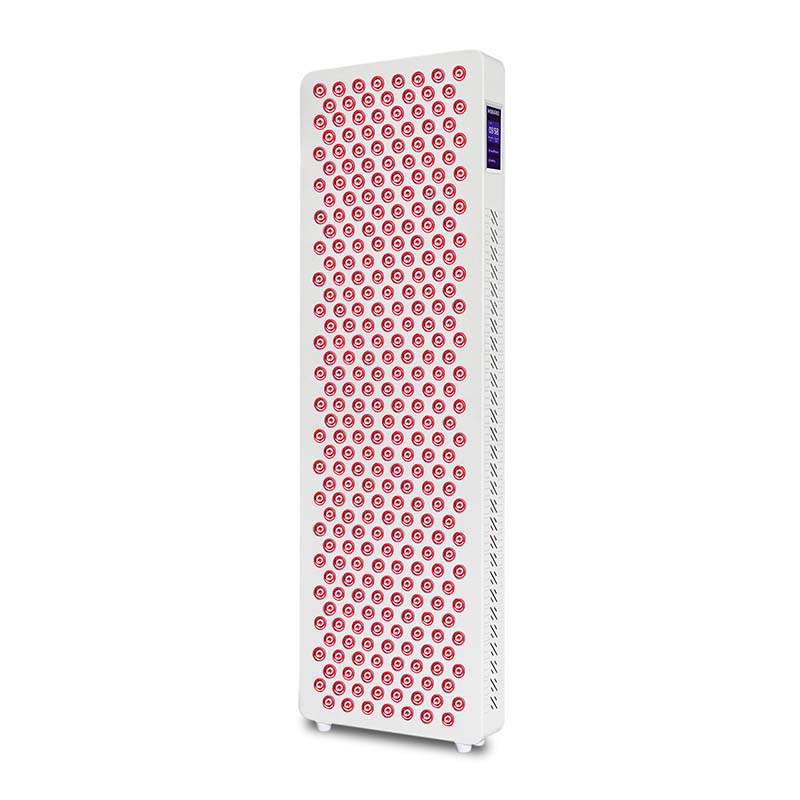
Когато говорим за устройства с висока мощност, навлизаме в сферата на професионалната терапия, сериозното спортно възстановяване и дълбокото системно благополучие. Тези устройства започват от 100 вата и могат лесно да се увеличат до 1500 вата или повече за... панели за цялото тяло и специализирани легла за терапия с червена светлина. Определящата характеристика на устройствата с висока мощност е тяхната несравнима способност да изтласкват светлинна енергия дълбоко в човешкото тяло. Тъй като интензитетът е толкова масивен, значителен процент от фотоните в близката инфрачервена област могат успешно да проникнат през кожата, мазнините и съединителната тъкан, за да достигнат дълбоки мускулни кореми, дебели връзки, големи стави и дори костна тъкан.
Спортисти, физиотерапевти и биохакери силно предпочитат системи с висока мощност. Когато мускулът е подложен на интензивна физическа травма – като например вдигане на тежки тежести или бягане на маратон – се появяват микроразкъсвания, водещи до мускулна болка със забавено начало (DOMS) и продължително възпаление. Терапията с червена светлина с висока мощност доставя огромен полезен товар от фотонна енергия директно към тези дълбокотъканни митохондрии. Това води до масивен, бърз скок в производството на АТФ, като ефективно засилва естествените механизми за възстановяване на мускулите. Времето за възстановяване може да бъде намалено наполовина, а дълбоката, хронична болка от състояния като ишиас или дискова херния може да бъде ефективно овладяна. Освен това, тъй като тези устройства са толкова мощни, необходимото време за лечение намалява значително. Сеанс, който може да отнеме 30 минути с устройство с ниска мощност, често може да се извърши само за 5 до 10 минути с панел с висока мощност, което ги прави изключително ефективни по отношение на времето за лечение на цялото тяло.
2. Колко вата са ви необходими, за да постигнете специфични ползи за здравето и козметиката?
Макар че разбирането на широките категории мощност е полезно, още по-полезно е тези нива на мощност да се съпоставят директно със специфични здравословни състояния и козметични цели. Въпросът “от колко вата имам нужда?” се измества от техническо запитване в дълбоко лично. Точният биологичен резултат, който желаете, ще диктува суровата мощност, която трябва да използвате. Нека разгледаме специфичните изисквания за мощност за най-често срещаните приложения на фотобиомодулацията.
Процедури за лице, против стареене и подобряване на тена
Ако основната ви мотивация за изследване на терапията с червена светлина е вкоренена в естетиката и дерматологията, не ви е необходимо – и всъщност може би не искате – изключително мощно устройство. Кожата е най-повърхностният орган в тялото. За третиране на фини линии, бръчки, акне вулгарис, псориазис, или екзема, светлината трябва да проникне само няколко милиметра. Следователно, устройства, работещи между 20 и 50 вата, са повече от достатъчни.
Когато се прилага червена светлина върху деликатната кожа на лицето, нежният и продължителен подход е научно превъзходен. 30-ватов LED маска за лице, например, перфектно облива епидермиса с терапевтична светлина. Тази нежна мощност стимулира производството на проколаген, подобрява локализирания лимфен дренаж за намаляване на подпухналостта на лицето и потиска мастните жлези, за да контролира обривите с акне. Ако използвате 1000-ватов панел от разстояние два инча за лицева процедура, самата интензивност на светлината може да причини лек термичен ефект, потенциално изсушавайки кожата или задействайки гореспоменатия двуфазен дозов отговор, при който клетките просто спират абсорбцията си поради претоварване с фотони. По този начин, за чисто здраве на кожата, по-ниската мощност се равнява на по-безопасни, по-постоянни и в крайна сметка по-красиви резултати.
Облекчаване на болката, здраве на ставите и умерено възстановяване на мускулите
Когато целта се премести под кожата към структурните компоненти на тялото, необходимата мощност се увеличава. За ефективно лечение на болки в ставите, тендинит или мускулни болки, светлината трябва да притежава достатъчно сурова енергия, за да преодолее оптичното разсейване и абсорбция, които се получават при преминаването ѝ през кожата и подкожната мазнина. За тези приложения устройства, които доставят между 80 и 150 вата, обикновено се считат за оптимални.
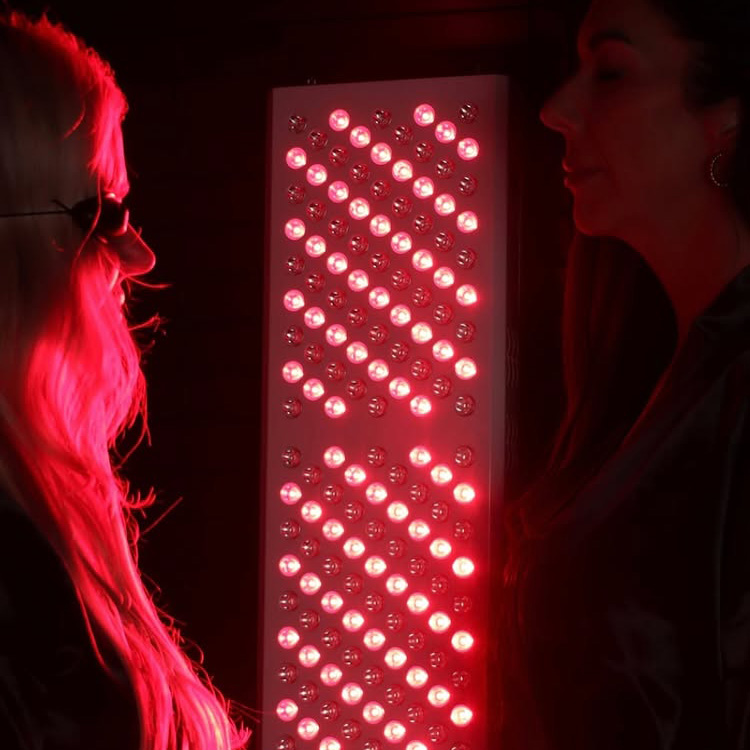
Представете си пациент, страдащ от артрит в рамото. Ставната капсула и възпаленият хрущял са разположени дълбоко под слоевете на делтоидния мускул и фасцията. 20-ватова пръчка просто няма да притежава проникващата сила, за да достави терапевтична доза светлина до ставното пространство за разумен период от време. 80-ватов или 100-ватов насочен панел обаче ще насочи силно близките инфрачервени дължини на вълните дълбоко в тъканта. Тази енергия намалява провъзпалителните цитокини, стимулира регенерацията на хрущялните клетки (хондроцити) и осигурява бърза аналгезия без лекарства. За целенасочено и смислено облекчаване на болката, трябва да се уверите, че вашето устройство има необходимата мощност, за да достигне до корена на дискомфорта.
Цялостно уелнес на цялото тяло и системна оптимизация
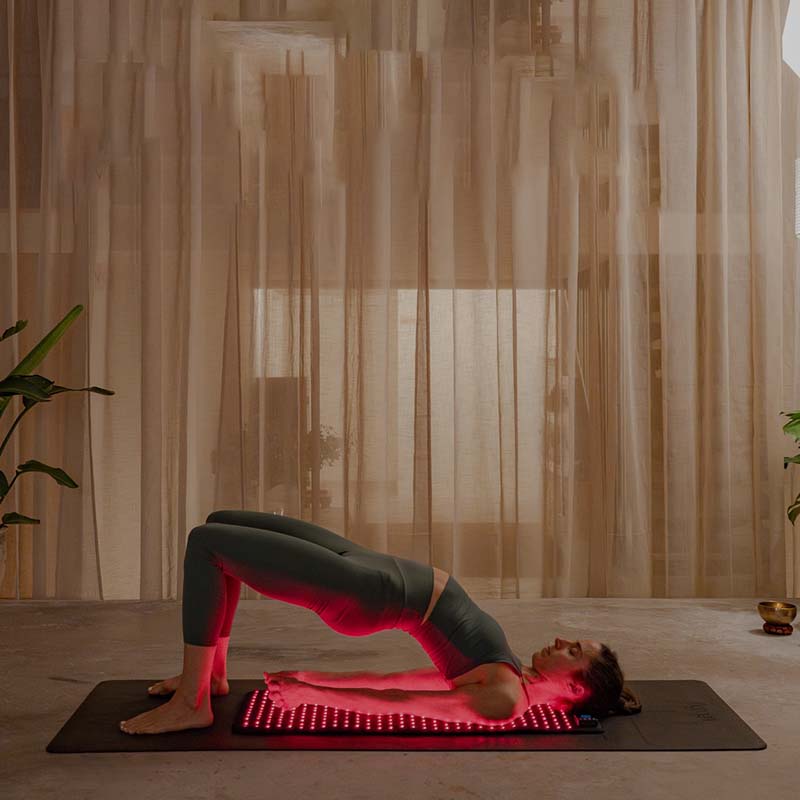
За хора, които искат да биохакнат своята биология, да оптимизират циркадните си ритми, да повишат общите нива на тестостерон/хормонални профили или да се възстановят от интензивни спортни дейности за цялото тяло, мощните устройства са неоспорим избор. За да се постигнат системни ползи, трябва едновременно да се изложи огромна повърхност на тялото на силно интензивен източник на светлина. Това изисква големи панели или взаимосвързани панелни масиви, които консумират от 300 до над 1000 вата електрическа енергия.
Когато огромна част от тялото е изложена на високомощна червена и близка инфрачервена светлина, системните ефекти са дълбоки. Кръвта, циркулираща през кожата, се облъчва и тези “заредени” червени кръвни клетки след това се пренасят в цялата сърдечно-съдова система, разпределяйки противовъзпалителните и повишаващи кислорода ползи към вътрешните органи. Високомощната терапия за цялото тяло е свързана с подобрена архитектура на съня чрез регулиране на мелатонина, подобрена системна имунна функция и драматично намаляване на оксидативния стрес в цялото тяло. За цялостни трансформации на здравето, огромната сила на високомощните системи е несравнима, позволявайки масивен общ енергиен трансфер (измерен в джаули) в рамките на много кратка дневна сесия от 10 до 15 минути.
За тези, които отказват компромиси и изискват абсолютна гъвкавост, инвестирането във висок клас, технологично напреднали устройства, които предлагат персонализируеми, регулируеми настройки на мощността, е най-доброто решение. Усъвършенстваното инженерство позволява на потребителите ръчно да намалят мощността за нежна 15-минутна сесия за лице и след това да я увеличат до максимална мощност за дълбокотъканно третиране на долната част на гърба, като ефективно помещават множество устройства в едно динамично устройство.
3. Защо разбирането на мощността на терапията с червена светлина е от решаващо значение за ефективността?
За да се ориентирате успешно на пазара за терапия с червена светлина, човек трябва да се отърси от маркетинговата шумотевица и да разбере фундаменталната физика на това как светлината взаимодейства с човешката тъкан. Думата “мощност” се използва от производителите като основен аргумент за продажба, но без да се разбира контекстът на тази мощност, потребителите лесно се подвеждат. Разбирането на мощността е от решаващо значение, защото тя е базовият показател, който диктува интензивността, дълбочината на проникване и необходимото време за лечение.
Физика на светлинната терапия: мощност, интензитет и енергия
В електрически термини, един ват е просто мярка за пренос на енергия във времето (един джаул в секунда). В контекста на устройство за терапия с червена светлина, мощността представлява количеството електрическа енергия, което устройството консумира, за да генерира светлината. Биологичната ефективност на терапията обаче не се определя от електричеството, излизащо от контакта ви; тя се определя от светлинната енергия, която успешно навлиза в клетките ви. Тук влиза в действие концепцията за “облъчване”.
Облъчване е измерване на интензитета на светлината, попадаща върху кожата ви, и почти винаги се измерва в миливати на квадратен сантиметър (mW/cm²). Общата мощност на вашето устройство директно влияе върху неговата способност за облъчване. Устройство с по-висока мощност обикновено ще произведе много по-високо облъчване. Защо това е важно? Защото научната литература е установила, че човешките клетки се нуждаят от специфична “доза” светлинна енергия, за да задействат лечебните механизми. Тази доза се измерва в джаули на квадратен сантиметър (J/cm²). Формулата е изключително проста:
Доза (джаули/cm²) = Облъчване (mW/cm²) × Време (секунди) / 1000
Тази математическа зависимост обяснява точно защо мощността е толкова важна. Ако имате устройство с ниска мощност и слабо облъчване (напр. 10 mW/cm²), може да ви отнеме 45 минути, за да постигнете терапевтична доза от 27 джаула. Обратно, ако имате устройство с висока мощност и мощно облъчване (напр. 100 mW/cm²), можете да постигнете същата доза от 27 джаула само за 4,5 минути. По-високата мощност фундаментално подобрява ефективността на вашите лечения, като същевременно запазва времето ви и осигурява превъзходни биологични резултати.
Предимствата на инженерството с оптимална мощност
Когато едно устройство е проектирано с оптималната мощност за предвидената му употреба, ползите са многостранни. Първо, както е показано по-горе, е Подобрена ефективност. В нашия забързан съвременен свят, придържането към ежедневната рутина за уелнес е силно зависимо от удобството. Устройствата с висока мощност позволяват на хората да извлекат огромни биологични ползи за по-малко от десет минути на ден, което драстично увеличава вероятността за дългосрочна постоянство.
Второто е реалността на По-дълбоко проникване. Светлината действа на градиент. Когато светлината навлезе в кожата, тя веднага се разсейва, отразява и абсорбира от водата, меланина и хемоглобина. С всеки милиметър, с който светлината навлиза по-дълбоко в тялото, интензитетът ѝ намалява експоненциално. Ако започнете с нискомощностен източник на светлина, фотоните просто изчерпват енергията си, преди да могат да достигнат дълбоката мускулна тъкан. Високата мощност действа като мощна движеща сила, гарантираща, че дори след преминаване през физическите бариери на епидермиса и дермата, клинично значим брой фотони все още запазват достатъчно енергия, за да стимулират митохондриите в дълбоко разположените ставни капсули и мускулатурата на кората.
Трето е концепцията за Гъвкаво използване и персонализиране. Съвременните, първокласни устройства за терапия с червена светлина вече не са груби инструменти. Чрез включване на усъвършенствани схеми, производителите могат да предлагат устройства с регулируема мощност и възможности за димиране. Този технологичен скок означава, че едно устройство с висока мощност може да бъде електронно регулирано, за да действа като нежно устройство с ниска мощност. Тази гъвкавост гарантира, че потребителят никога не е обвързан с един-единствен метод на лечение, предоставяйки динамичен инструмент, който се адаптира към чувствителната кожа на лицето в един момент и към трудното спортно възстановяване в следващия.
4. Как трябва да изберете устройство за терапия с червена светлина въз основа на изходната мощност?
Изборът на подходящо устройство за терапия с червена светлина изисква внимателна и методична оценка на вашите лични нужди, съобразени с техническите спецификации на хардуера. Със стотици марки, които се борят за вашето внимание, фокусирането стриктно върху изходната мощност и как тя се свързва с вашия начин на живот ще ви насочи към перфектната покупка. Ето подробен преглед на факторите, които трябва да вземете предвид, когато избирате устройство въз основа на неговата мощност.
Определете основните си цели на лечение
Първият въпрос, който трябва да си зададете, е: “Какво се опитвам да поправя или подобря?” Основната ви цел на лечението трябва да диктува базовата мощност, която купувате. Ако целта ви е изключително дерматологична – искате да изгладите бръчките „пачи крак“, да изчистите акнето или да стимулирате колагена за младежки блясък – не си губете парите за масивен 1500-ватов панел. Специализирана, висококачествена LED маска за лице или малък настолен панел от 30 до 50 вата ще ви служат перфектно, спестявайки ви пари и осигурявайки идеалната нежна енергия за лицето. Ако обаче купувате устройство за рехабилитация на разкъсан ротаторен маншон, за управление на хронична фибромиалгия или за възстановяване от интензивни CrossFit тренировки, устройство с ниска мощност ще ви остави напълно разочаровани. В тези случаи трябва да ограничите търсенето си до високомощни панели с клиничен клас, които генерират 300 вата или повече.
Оценете вашата толерантност към времето за лечение
Времето е най-ценният ни актив. Колко време реално сте готови да отделите за рутинната си терапия с червена светлина всеки ден? Ако се наслаждавате на бавна, медитативна 30-минутна рутина за грижа за кожата преди лягане, устройство с по-ниска мощност се вписва идеално в този начин на живот. Ако обаче сте зает професионалист, родител с ограничено свободно време или спортист, управляващ множество методи за възстановяване, се нуждаете от ефективност. Устройствата с по-висока мощност изискват по-висока първоначална цена, но те ви връщат времето. Възможността да завършите сесия за цялостно възстановяване на тялото и дълбоките тъкани за 8 минути вместо за 40 минути често си заслужава високата цена, свързана с високомощното инженерство.
Регулируемост на устройството за търсене
Един от най-препоръчителните съвети за съвременните потребители е да търсят устройства с регулируема мощност или променливи настройки за интензитет. Защо да купувате три различни устройства за различни части на тялото, когато едно интелигентно устройство може да прави всичко? Панел, който ви позволява да контролирате независимо интензитета на червените дължини на вълните и близките инфрачервени дължини на вълните или да намалявате общата изходна мощност от 100% до 25%, предлага несравнимо удобство. Тази регулируемост е особено важна за домакинства, където няколко души възнамеряват да използват устройството. Тийнейджър може да използва настройката за ниска мощност при акне, докато родител може да използва настройката за максимална мощност при болки в кръста.
Вземете предвид разходите, енергийната ефективност и дълготрайността
Универсална истина на пазара за терапия с червена светлина е, че по-високата мощност е равна на по-висока цена. Плащате за по-големи захранвания, по-голям брой първокласни светодиоди и превъзходни технологии за охлаждане, необходими за поддържане на охлаждането на компонентите с висока мощност. Трябва обаче да гледате на това през призмата на дългосрочната стойност. Въпреки че панелите с висока мощност консумират повече електроенергия, докато са включени, те се използват за много по-кратки периоди. Освен това, висококачествените устройства с висока мощност обикновено са изградени с компоненти от търговски клас, които се гордеят с живот от 50 000 до 100 000 часа. Инвестирането в правилната мощност предварително предотвратява често срещаното разочарование от закупуването на слабо, евтино устройство, осъзнаването, че то няма мощността да лекува дълбоките ви тъкани, и впоследствие необходимостта от закупуване на второ, по-мощно устройство.
5. Какъв е правилният баланс между мощността, времето и разстоянието на терапията с червена светлина?
Закупуването на устройство с правилната мощност е само половината от битката; знанието как правилно да се приложи тази мощност е мястото, където истинското изкуство и наука на фотобиомодулацията се пресичат. За да оптимизирате сеансите си с червена светлина и да гарантирате максимална биологична ефикасност, трябва да овладеете критичното взаимодействие между три променливи: мощност, време на лечение и разстояние от източника на светлина. Промяната на която и да е от тези променливи влияе пряко върху другите две.
Законът за обратните квадрати и разстоянието
Принципите на оптичната физика диктуват как се държи светлината, докато пътува през пространството. Терапията с червена светлина е подчинена на закона за обратните квадрати, който гласи, че интензитетът на светлината намалява експоненциално, когато се отдалечавате от източника. Ако имате мощен 500-ватов панел, но стоите на метър от него, действителното количество светлинна енергия (облъчване), което попада върху кожата ви, се намалява драстично, имитирайки изхода на много по-слабо устройство с ниска мощност.
За да постигнете предимствата на дълбокотъканното въздействие на високомощен панел, трябва физически да се позиционирате близо до устройството – обикновено на разстояние между 10 и 15 см. При тази близост суровата мощност на устройството се реализира напълно, като фотоните проникват дълбоко в мускулатурата. И обратно, ако искате да използвате същия високомощен панел за третиране на деликатна кожа на лицето, можете просто да се отдръпнете на разстояние от 45 до 60 см. Чрез увеличаване на разстоянието изкуствено разреждате интензивността на мощността, превръщайки дълбокотъканното третиране в нежна, повърхностна сесия за подмладяване на кожата. Разстоянието е вашият физически механизъм за контролиране на приложената мощност на устройството.
Навигиране по кривата на Арндт-Шулц
В областта на фотобиологията, Крива на Арндт-Шулц (или двуфазната крива доза-отговор) е управляващото биологично правило. То гласи, че слаб стимул ще инициира физиологична активност, умерен стимул ще я оптимизира, но масивен, преобладаващ стимул ще я инхибира или спира напълно. Ето защо “повече” не е равно на “по-добре” в терапията с червена светлина.
Ако използвате устройство с висока мощност от близко разстояние, времето за лечение трябва да бъде строго регулирано и относително кратко – обикновено от 5 до 15 минути максимум на третирана зона. Ако решите да стоите на шест инча разстояние от 1000-ватов панел в продължение на 45 минути, абсолютно ще превишите оптималната доза джаули. Клетките ви ще се пренаситят с фотони, митохондриите ще преустановят производството на АТФ, за да се предпазят от оксидативен стрес, и ще обезсмислите цялата цел на сесията. Намирането на правилния баланс изисква дисциплина. Трябва да прочетете специфичните таблици за дозиране на вашето устройство. Ако използвате устройство с ниска мощност, увеличавате времето. Ако използвате устройство с висока мощност, намалявате времето. Спазването на този баланс гарантира, че ще останете точно на върха на терапевтичната крива.
6. Къде е мястото на облъчването в сравнение със суровата електрическа мощност? (Допълнителна характеристика 1)
За да станем наистина информиран потребител, трябва да се справим с най-разпространената и объркваща маркетингова тактика в индустрията за терапия с червена светлина: критичната разлика между “Консумирана мощност”, “Номинална мощност на светодиода” и действителна терапевтична “облъчваемост”. Много компании се хвалят с астрономически числа за мощност в рекламите си, но тези числа често са силно подвеждащи и не отразяват точно лечебната сила на устройството.
Измамата на номиналната мощност на LED
Представете си, че виждате панел за терапия с червена светлина, рекламиран като “1500-ватова електроцентрала”. Това число почти винаги се извлича от физическия капацитет на LED крушките. Ако панелът съдържа 300 светодиода и всеки светодиод има максимален теоретичен капацитет от 5 вата, компанията умножава 300 по 5 и предлага устройството на пазара като 1500 вата. Ако обаче светодиодът работи с абсолютната си максимална мощност, той генерира огромни количества топлина и ще изгори невероятно бързо. За да гарантират безопасността и дълготрайността, реномираните производители “захранват” или захранват тези светодиоди с приблизително 30% до 50% от максималния им капацитет. Следователно, този силно рекламиран панел от “1500 вата” може всъщност да черпи само 400 или 500 вата реална електрическа мощност от вашия контакт. Разчитането на “номинална мощност” е сигурен начин да бъдете заблудени относно истинската мощност на устройството.
Осветеност: Единственият показател, който наистина има значение
Тъй като твърденията за сурова мощност могат лесно да бъдат манипулирани, научната общност и образованите потребители се фокусират върху много по-надежден показател: облъчването. Както бе споменато по-рано, облъчването (измерено в mW/cm²) е действителният, измерим интензитет на терапевтичната светлина на повърхността на кожата ви. То отчита консумираната електрическа мощност, ефективността на вътрешната схема, фокусиращата сила на оптичните лещи, поставени върху светодиодите, и физическото разстояние от източника на светлина.
Когато сравнявате две устройства, не гледайте единствено посочената мощност. Вместо това, потърсете независими тестови доклади от трети страни, които потвърждават облъчването на устройството на определени разстояния (напр. “100 mW/cm² на 6 инча”). Едно брилянтно проектирано устройство, консумиращо само 200 вата електроенергия, използващо високоефективни оптични лещи с тесен ъгъл на лъча от 30 градуса, може да достави значително по-високо терапевтично облъчване на кожата ви, отколкото лошо конструирано устройство, консумиращо 500 вата, което разсейва светлината неефективно във всички посоки. Суровата електрическа мощност е просто горивото; високата облъчване е действителната конска сила, която задвижва вашето биологично изцеление.
7. Кой може да се възползва най-много от устройства с регулируема мощност? (Допълнителна функция 2)
С бързото развитие на технологията за терапия с червена светлина, въвеждането на устройства с регулируема мощност и променлива интензивност революционизира начина, по който се прилагат леченията. Тези динамични устройства позволяват на потребителя да увеличава или намалява изходната мощност, като ефективно променя класификацията на устройството от висока на ниска мощност само с натискане на бутон. Но кой точно ще се възползва най-много от тази първокласна, адаптивна технология?
Многопоколенчески домакинства и семейства
Устройствата с регулируема мощност са абсолютно перфектната инвестиция за домакинства, където няколко членове на семейството възнамеряват да използват терапията по съвсем различни причини. Представете си стандартно семейство: Тийнейджър може да иска да използва терапия с червена светлина, за да се справи с силно чувствително, възпалено кистозно акне. Прилагането на суров, 1000-ватов дълбокотъканен поток върху възпаленото лице може да причини силен дискомфорт или да изостри зачервяването. С регулируемо устройство те могат да намалят интензивността до нежни 20%, създавайки успокояваща, нискомощна терапия за лице. По-късно същия ден, възрастен родител, който току-що се е завърнал от изтощително маратонско бягане, може да застане пред същото устройство, да увеличи мощността до 100% и да получи дълбоко проникваща, високоинтензивна сесия за възстановяване на мускулите. Едно регулируемо устройство елиминира необходимостта от закупуване на множество специализирани устройства за дома.
Клинични специалисти и физиотерапевти
В клинична обстановка гъвкавостта и прецизността са от първостепенно значение. Физиотерапевтите, хиропрактиците и козметиците лекуват изключително разнообразна популация от пациенти с силно вариращи нива на чувствителност. Лечението на здрав спортист с дебел слой мускули изисква интензивно проникване на близка инфрачервена светлина с висока мощност. Лечението на възрастен пациент с тънка, крехка кожа и повърхностна артритна болка обаче изисква много по-деликатен и нюансиран подход. Регулируемите устройства позволяват на клиничните специалисти прецизно да титрират дозата във ватове, за да съответства на специфичните анатомични нужди и допустимите отклонения за безопасност на всеки отделен пациент, повишавайки стандарта на грижа и осигурявайки оптимални, персонализирани лечебни протоколи.
Лица, лекуващи както остри, така и хронични състояния
Човешките тела са динамични и нашите лечебни нужди се променят ден след ден. Можете да закупите панел за терапия с червена светлина предимно за справяне с хронична болка в долната част на гърба, което налага висока мощност. Седмици по-късно обаче може да получите повърхностно одраскване, леко изгаряне или обостряне на екзема. Светлината с висока мощност понякога може да се усеща твърде интензивна или топла при остро, сурово кожно нараняване. Регулируемото устройство ви дава гъвкавостта да преминавате безпроблемно от дълбокотъканен метод с висока мощност към метод за заздравяване на рани с ниска мощност. Като инвестирате в устройство, оборудвано с регулируема мощност, вие по същество осигурявате бъдещето на вашето уелнес пътуване, като гарантирате, че разполагате с точно правилната мощност, независимо от възникващите биологични предизвикателства.
8. Кои са най-често задаваните въпроси относно мощността на терапията с червена светлина?
Предвид силно техническия характер на светлинната физика и човешката биология, потребителите естествено имат множество въпроси, когато се опитват да дешифрират мощността. По-долу са три от най-често задаваните въпроси относно мощността на терапията с червена светлина, на които е отговорено с научна яснота.
ЧЗВ 1: Защо някои устройства твърдят, че са с мощност 1000 W, но действително консумират само 300 W?
Това огромно несъответствие е един от най-често срещаните източници на объркване в индустрията за терапия с червена светлина. Цифрата “1000 W” почти винаги е “номиналната мощност на светодиода” – абсолютният максимален теоретичен лимит на всички LED чипове, взети заедно, ако бъдат доведени до ръба на повреда. Никой реномиран производител обаче не използва своите светодиоди с максимален капацитет от 100%, защото това създава огромни, опасни нива на топлина, кара светодиодите да трептят и драстично скъсява живота на устройството. Вместо това, устройството е умишлено проектирано да “черпи” само около 30% до 50% от този максимален капацитет от контакта. Черпенето на 300 W действителна електрическа мощност позволява на светодиодите да работят хладно, да останат високо стабилни, да излъчват точните терапевтични дължини на вълните, необходими за работа, и да издържат десетки хиляди часове без влошаване на качеството им. Винаги търсете “действителна консумирана мощност” или “консумирана мощност” в техническите спецификации, тъй като това е честната мярка за използваната електроенергия.
ЧЗВ 2: Може ли устройство за терапия с червена светлина с по-висока мощност да изгори кожата ми или да ми причини увреждане?
Истинска терапия с червена светлина и терапия с близка инфрачервена светлина са напълно лишени от вредните ултравиолетови (UV) лъчи, които са дължините на вълните, отговорни за слънчевите изгаряния, ДНК мутациите и рака на кожата. Следователно, устройство за терапия с червена светлина, независимо от астрономически високата му мощност, не може физически да ви “изгори”. Устройствата с много висока мощност обаче консумират значително електричество и естествено произвеждат страничен продукт от лека термична топлина. Ако вземете силно концентриран панел с ултрависока мощност и притиснете кожата си директно към стъкления или металния корпус за продължителен период от време, чистата физическа топлина, генерирана от електронните компоненти, може потенциално да причини леко термично изгаряне или физически дискомфорт. Това лесно се избягва, като се поддържа препоръчителното от производителя разстояние (обикновено от 10 до 30 см) от устройството, което позволява на светлината да достигне до вас, докато топлината се разсейва във въздуха.
ЧЗВ 3: Колко дълго трябва да използвам устройство за терапия с червена светлина с висока мощност в сравнение с такова с ниска мощност?
Времето за лечение е обратно пропорционално на мощността и облъчването на устройството. Ако използвате устройство с ниска мощност, като например гъвкава маска за лице, работеща с батерии, интензитетът е много слаб. Тъй като скоростта на доставяне на фотони е ниска, трябва да носите маската за по-дълъг период - обикновено от 15 до 30 минути - за да може достатъчно терапевтична светлинна енергия да се натрупа в клетките и да достигне желаната доза джаули. И обратно, ако застанете пред стенен панел с висока мощност от клиничен клас, обемът и интензитетът на фотоните, бомбардиращи тъканите ви, са огромни. Следователно, можете да постигнете същата терапевтична доза за част от времето. Сеансите с устройства с висока мощност обикновено изискват само от 5 до 10 минути на третирана зона. Използването на устройство с висока мощност за 30 минути на едно място почти сигурно ще доведе до предозиране със светлина (двуфазен отговор), което ще неутрализира благоприятните ефекти.
Заключение
Мощността несъмнено играе фундаментална, решаваща роля при определянето както на ефикасността, така и на крайната ефективност на вашите процедури с терапия с червена светлина. Тя е двигателят, който задвижва терапевтичната светлина дълбоко в тъканите ви, диктувайки дали нежно подтиквате кожните си клетки да произвеждат колаген или насилствено командвате дълбоките си мускулни влакна да се възстановят бързо. Чрез задълбочено разбиране на най-добрите нива на мощност за различни физиологични приложения – ниска мощност за повърхностно подмладяване на кожата, средна мощност за локализирано възпаление и висока мощност за облекчаване на силна болка и системно възстановяване на мускулите – вие сте в състояние да вземате високо информирани, стратегически решения. Изборът на устройство с точната изходна мощност, която да отговаря на вашите биологични цели, е най-важното решение, което ще вземете в своето уелнес пътешествие. А като търсите първокласни, многофункционални устройства, които предлагат регулируеми настройки на мощността, вие гарантирате, че сте оборудвани с динамичен, адаптивен инструмент, способен да постигне оптимални, дълбоко персонализирани резултати за години напред.
 English (United States)
 French (Canada)
 English (UK)
 English (Australia)
 English (Canada)
 English (New Zealand)
 English (South Africa)
 Bulgarian
 Croatian
 Arabic
 Czech
Czech Danish
 Dutch
Dutch Estonian
 Finnish
 French (France)
 Turkish
 Swedish
 Spanish
 Slovenian
 Georgian
 German
 Greek
Greek Hebrew
 Hungarian
 Icelandic
 Indonesian
 Italian
 Japanese
 Korean
 Latvian
 Lithuanian
 Slovak
 Serbian
 Portuguese
 Luxembourgish
 Irish
Irish Romanian
 Russian