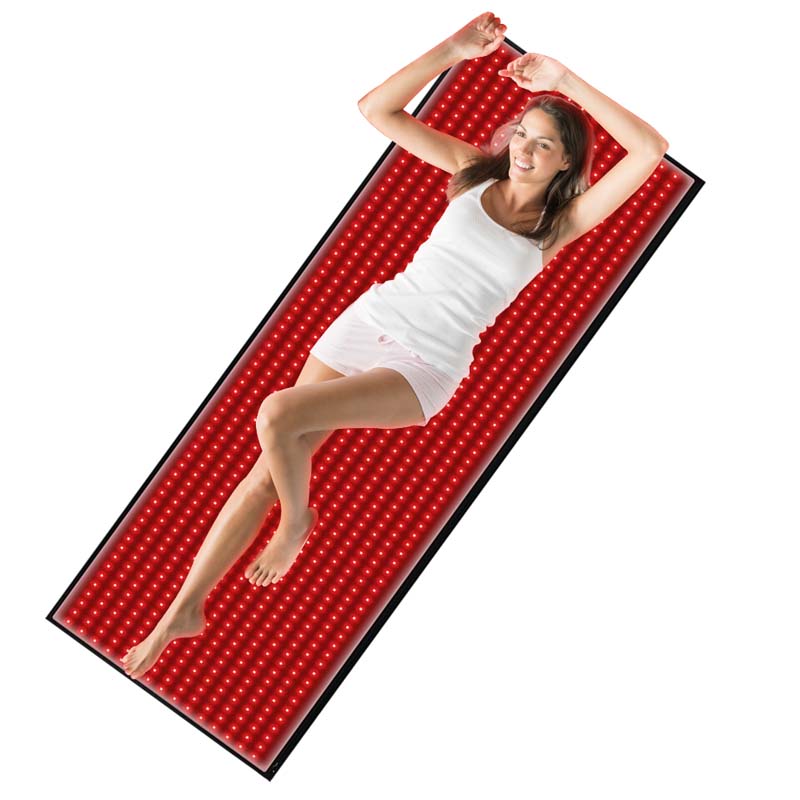
Въпреки че терапията с червена светлина е известна по целия свят заради изключителния си профил на безопасност и безбройните си ползи за здравето – от дълбоко подмладяване на кожата до ускорено възстановяване на мускулите – тя действа на биологичен принцип, където повече не е непременно по-добре. Излагането на тялото на прекомерни количества червена и близка инфрачервена светлина обикновено не причинява сериозни физически увреждания или изгаряния, но може да предизвика феномен, известен като “…“двуфазен дозов отговор.”С прости думи, докато оптималната доза светлина стимулира клетъчното възстановяване и енергийния отделяне, преминаването на прага на прекомерно излагане може всъщност да спре тези полезни процеси, което води до намаляваща възвръщаемост, застой в резултатите или леко временно дразнене на тъканите.“.
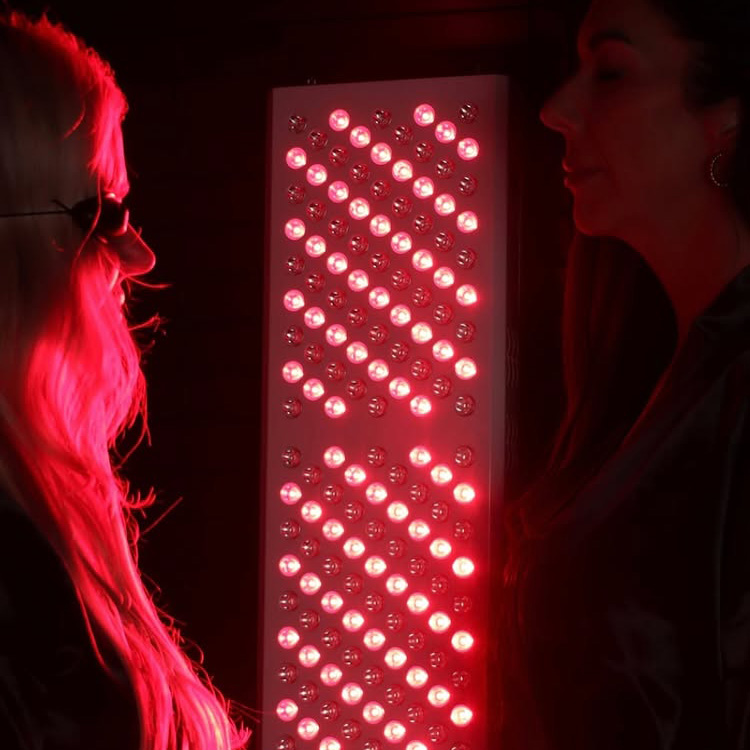
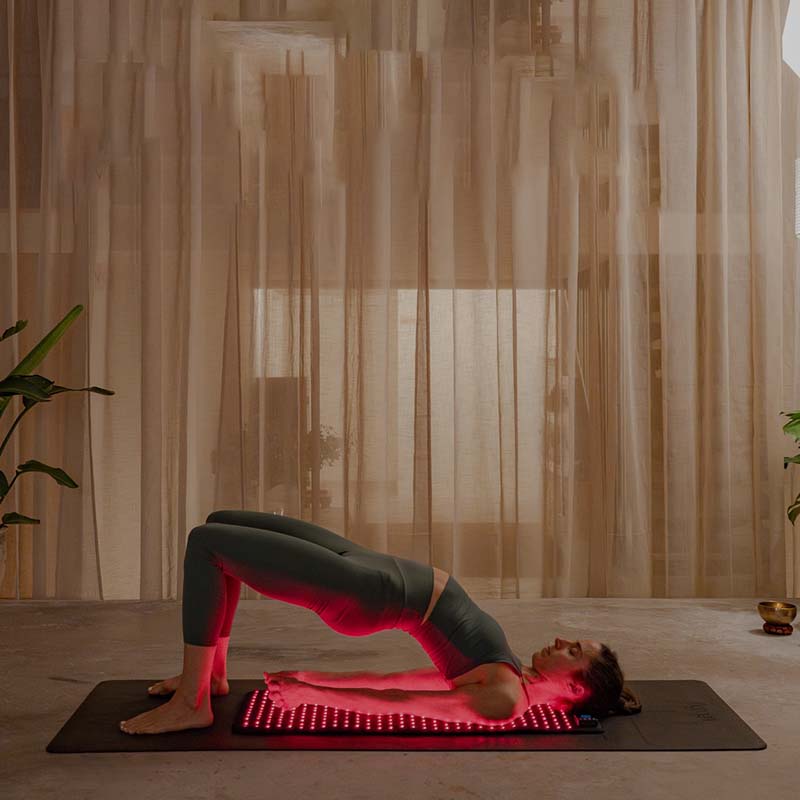
Намирането на перфектната “зона на Златокоска” – протокол за лечение, който не е нито твърде кратък, нито твърде прекомерен – е най-важният ключ към отключване на трансформиращата сила на фотобиомодулация. Съвременният уелнес пейзаж е залят от висококачествени продукти за домашна употреба. панели за терапия с червена светлина, което прави достъпа до клинично лечение от уюта на вашата всекидневна по-лесен от всякога. Тази достъпност обаче прави невероятно лесно за ентусиазираните потребители неволно да претоварят клетките си.
1. Какво точно е терапията с червена светлина и как функционира?
За да разберем наистина защо има ограничение за това колко червена светлина тялото ни може да абсорбира, първо трябва да разберем основните биологични механизми, които действат. Терапията с червена светлина, която е обстойно документирана в клиничната литература под термина Нискоинтензивна светлинна терапия (LLLT) или фотобиомодулация (PBM), е напълно неинвазивен, безболезнен терапевтичен метод. Той използва силно специфични дължини на вълната на светлината – обикновено видима червена светлина в диапазона от 630 до 660 нанометра и невидима близка инфрачервена (NIR) светлина в диапазона от 810 до 850 нанометра – за да проникнат през кожната бариера и да взаимодействат директно с човешката тъкан.
Когато тези високо калибрирани светлинни вълни навлязат в тялото ви, те не просто затоплят повърхността на кожата; те достигат до клетъчно ниво, като се насочват специално към митохондрии. Митохондриите са всеобщо признати за микроскопичните “електростанции” на нашите клетки, отговорни за генерирането на по-голямата част от химическата енергия, необходима за поддържане на живота и захранване на биологичните функции. В митохондриалната мембрана се намира жизненоважен фоторецепторен ензим, известен като цитохром с оксидаза. Когато червените и близките инфрачервени фотони попаднат в този ензим, те се абсорбират, инициирайки дълбока каскада от физиологични реакции.
Най-непосредственият и критичен резултат от това поглъщане на фотони е масивно увеличение на производството на аденозин трифосфат (АТФ). АТФ е основната енергийна валута на всички живи същества. Когато клетките ви са залети с изобилие от АТФ, те по същество получават суровото гориво, необходимо за изпълнение на определените им функции с абсолютна максимална ефективност. Кожна клетка с изобилие от АТФ може да синтезира пресни... колаген и еластинови влакна с ускорена скорост; мускулната клетка може да поправи микроразкъсванията и да отдели млечната киселина много по-бързо; имунната клетка може по-ефективно да модулира острото възпаление.
Освен производството на енергия, този процес стимулира и отделянето на леки, полезни нива на азотен оксид. Азотният оксид действа като мощен вазодилататор, което означава, че отпуска и разширява кръвоносните съдове. Това драматично подобрение в локализираното кръвообращение гарантира, че кислород, основни хранителни вещества и лечебни растежни фактори се доставят бързо до третираната зона, като едновременно с това ускорява отстраняването на клетъчни отпадъчни продукти и възпалителни маркери.
Терапията с червена светлина се е доказала като изключително универсална. Обширните клинични изследвания и десетилетия практическо приложение са демонстрирали нейната ефикасност за значително намаляване на фините линии и дълбоките бръчки, ускоряване на затварянето на упорити рани, облекчаване на мъчителната скованост при хронична болка в ставите и драстично ускоряване на времето за възстановяване на мускулите след изтощително физическо натоварване. Като просто осигурява на клетките ви оптичната енергия, от която се нуждаят, терапията с червена светлина действа като холистичен катализатор, давайки възможност на тялото ви да се излекува и подмлади отвътре навън.
2. Защо “Двуфазният дозов отговор” отговаря на въпроса “Колко е твърде много терапия с червена светлина?”
Когато изследват ограниченията на фотобиомодулацията, учените постоянно се позовават на биологична концепция, известна като “двуфазен дозов отговор”(понякога наричан в медицинската физика Крива на Арндт-ШулцРазбирането на тази концепция е абсолютният ключ към разбирането защо можете да прекалите с терапията с червена светлина и защо умереността е научно по-добра от прекомерната.
Двуфазният дозов отговор диктува, че биологичните тъкани ще реагират положително на стимул до определен момент, след което увеличаването на стимула ще доведе до намаляване на положителните ефекти, което в крайна сметка ще доведе до отрицателен или инхибиторен отговор. Мислете за това подобно на поливането на стайно растение или пиенето на кофеин. Ако дадете на растението перфектното количество вода, то ще процъфтява, ще расте и ще цъфти. Ако не му давате абсолютно никаква вода, то ще изсъхне и ще умре. Ако обаче непрекъснато заливате растението с галони вода всеки ден, корените ще изгният и растението ще загине също толкова сигурно, колкото ако е било лишено от нея. По подобен начин, една чаша кафе може да осигури брилянтна умствена яснота и енергия, но консумацията на десет чаши ще ви остави тревожни, нервни и напълно неспособни да се фокусирате.
На клетъчно ниво, терапията с червена светлина работи на абсолютно същия принцип на кривата на камбаната. Ниските до умерени дози светлинна енергия са абсолютно идеални за стимулиране на всички положителни клетъчни функции, които обсъдихме – производство на колаген, възстановяване на тъкани и синтез на АТФ. По време на оптимален прозорец на лечение, светлината задейства производството на много малко, перфектно балансирано количество реактивни кислородни видове (ROS). В ниски концентрации, ROS действат като ключови сигнални молекули, като по същество събуждат вътрешните механизми за възстановяване на клетката и активират антиоксидантните защитни системи. Този лек, контролиран стрес се нарича “хормезис,”и това прави клетката по-силна и по-устойчива.“.
Ако обаче седите пред мощен червен светлинен панел в продължение на един час или използвате устройството четири пъти на ден, вие изтласквате клетката отвъд пика на кривата на звънеца. Продължителното излагане принуждава митохондриите да произвеждат огромно, прекомерно количество ROS. Когато нивата на ROS станат твърде високи, те престават да бъдат полезни сигнални молекули и вместо това индуцират състояние на оксидативен стрес. Клетката, осъзнавайки, че е претоварена, по същество изключва продуктивните си функции, за да се защити. Производството на АТФ, което се опитвахте да стимулирате, спира. Процесите на възстановяване са преустановени.
Следователно, “твърде много” терапия с червена светлина обикновено не означава, че ще претърпите тежка медицинска спешност; по-скоро това означава, че напълно сте си загубили времето и активно сте потиснали самите лечебни ползи, които сте си поставили за цел да постигнете. За да оптимизирате резултатите си, трябва да уважавате биологичните граници на клетките си и да се придържате безопасно към оптималния дозов прозорец.
3. Кога излагането на червена светлина става контрапродуктивно или вредно?
Въпреки че установихме, че фотобиомодулацията е изключително безопасна – особено когато се използват първокласни, одобрени от FDA устройства за домашна употреба, като тези, предлагани от реномирани марки – е изключително важно да се разпознаят физическите и физиологичните признаци, които показват, че сте преминали прага на прекомерно излагане на лъчи. Кога лечението преминава от силно полезно към контрапродуктивно?
Най-честата последица от прекаляването с терапията с червена светлина е просто разочароващата липса на резултати. Много ентусиазирани начинаещи, нетърпеливи да излекуват нараняване или да заличат бързо бръчки, използват устройството си по 45 минути всеки ден. След месец може да открият, че кожата им изглежда абсолютно същата или болката в ставите им не се е подобрила. Тъй като постоянно са поддържали клетките си в състояние на оксидативно инхибиране чрез двуфазен дозов отговор, терапията е била напълно инертна. Ако сте използвали устройството агресивно и сте достигнали упорито плато, е много вероятно да правите твърде много, а не твърде малко.
По отношение на физическите симптоми, прекомерното излагане може понякога да се прояви като леко, временно дразнене на кожата. Може да забележите леко, нехарактерно зачервяване (еритема) веднага след продължителна сесия или кожата ви може да се чувства необичайно опъната, суха или чувствителна на допир. Това не е термично изгаряне – устройствата за терапия с червена светлина не генерират достатъчно топлина, за да изгорят кожата – а по-скоро е признак на повърхностна клетъчна умора.
Важно е също да се обърне внимание на разликите между червената светлина и ултравиолетова (UV) светлина. Много хора свързват излагането на светлина с опасностите от солариумите или продължителното слънчево изгаряне, които използват UV светлина. UV светлината притежава огромно количество йонизираща енергия, която може физически да увреди клетъчната ДНК, да мутира клетките, да ускори екстремното фотостареене и драстично да увеличи риска от смъртоносен рак на кожата. Червената и близката инфрачервена светлина се намират в напълно противоположния край на светлинния спектър. Те са... нейонизиращ, което означава, че те не притежават енергийния капацитет да мутират ДНК или да причиняват рак. Не можете да получите слънчево изгаряне от терапия с червена светлина, нито можете да развиете тен.
Въпреки този огромен профил на безопасност, все пак е необходимо повишено внимание. Ако използвате прекомерно мощно устройство, насочено директно към лицето ви, без защита за очите, може да изпитате временна зрителна умора, главоболие или петна пред очите си поради голямата яркост на светодиодите. Следователно, контрапродуктивните резултати обикновено са резултат от грешка на потребителя, нетърпение или неразбиране на това как функционира светлинната биология, а не от присъща опасност от самата светлина.
4. Откъде трябва да започнете: Колко често трябва да правите терапия с червена светлина у дома?
Определянето на идеалната честота и продължителност за вашата домашна терапия с червена светлина е индивидуален процес, тъй като зависи до голяма степен от вашите специфични здравни цели, тежестта на вашето състояние, облъчване (изходна мощност) на вашето специфично устройство и как вашата уникална физиология реагира на фототерапията. Клиничните насоки и обширните потребителски проучвания обаче осигуряват високоефективна базова линия за повечето хора.
За по-голямата част от потребителите, провеждането на сеанси с червена светлина от три до пет пъти седмично се счита за абсолютно най-подходящата среда. Този график осигурява на клетките ви постоянно, ритмично снабдяване с енергия, като същевременно позволява адекватни “дни за почивка”, в които тялото може да преработи генерирания АТФ и да извърши физическата работа по възстановяване на тъканите и синтез на протеини.
Ако сте пълен начинаещ, който тепърва въвежда тялото си във фотобиомодулацията, силно препоръчваме да започнете консервативен, въвеждащ протокол. Започнете с относително кратки сесии – приблизително 10 до 15 минути на целева зона – и се придържайте стриктно към три сесии седмично. Този по-нежен подход позволява на кожната бариера, вътрешните клетъчни механизми и локализирания кръвен поток постепенно да се аклиматизират към новия приток на оптична енергия.
Докато тялото ви свиква с лечението в течение на две до три седмици, можете бавно да започнете да увеличавате дозата. Можете да увеличите продължителността на сесията до 20 минути или да увеличите честотата до пет пъти седмично. За хора, които се справят с интензивни, остри проблеми – като например професионален спортист, който търси незабавно възстановяване от тежко мускулно разтежение, или някой, който се опитва бързо да заздравее хирургичен разрез – могат временно да се приложат по-агресивни, целенасочени лечения. В тези специфични сценарии сесиите понякога могат безопасно да се увеличат до веднъж или дори два пъти дневно за кратък период от време, при условие че сесиите са сравнително кратки.
Въпреки това, винаги трябва да имате предвид реалността на намаляващата възвръщаемост. Ако си мислите: “Днес просто ще поседя под светлината един час, за да наваксам пропуснатите сесии”, правите лоша услуга на тялото си. Слушайте внимателно обратната връзка от тялото си. Ако напредъкът ви се забави или кожата ви е чувствителна, просто намалете времето на експозиция, преместете устройството на няколко сантиметра по-далеч от тялото си или се върнете до три дни в седмицата. Установяването на устойчива, високо последователна рутина е безкрайно по-ценно от опитите да се ускори лечебният процес чрез прекомерно излагане.
5. Кой може да се възползва от безопасното използване на устройства за терапия с червена светлина у дома?
Един от най-забележителните аспекти на терапията с червена светлина е нейната почти универсална приложимост. Тъй като тя е насочена към основните центрове за производство на енергия, присъстващи в почти всяка клетка в човешкото тяло, демографският кръг от хора, които могат да се възползват от нейната безопасна и регулирана употреба, е удивително обширен.
На първо място, хората, които търсят усъвършенствани, неинвазивни решения против стареене, са основните кандидати. С хронологичното стареене фибробластите в дермалните ни слоеве стават мудни, което води до постоянен спад в производството на колаген и еластин. Това биологично забавяне води до отпускане на кожата, дълбоки бръчки и матов тен. Чрез безопасно използване на целенасочена терапия с червена светлина върху лицето и шията, тези хора могат ефективно да “събудят” своите фибробласти, като по естествен път възстановят еластичността на кожата, изгладят фините линии и постигнат сияен, младежки блясък, без да прибягват до агресивни химически пилинги или болезнени инжекции.
Спортисти, културисти и фитнес ентусиасти представляват друга огромна група бенефициенти. Интензивните физически тренировки неизменно водят до микроскопични мускулни разкъсвания, локализирано възпаление и натрупване на млечна киселина, всички от които се проявяват като мускулна болка със забавено начало (DOMS). Безопасното прилагане на близка инфрачервена светлина върху уморени мускули веднага след тренировка прониква дълбоко в тъканите, ускорявайки изчистването на метаболитните отпадъци, намалявайки възпалителната каскада и драстично съкращавайки необходимото време за възстановяване. Това позволява на спортистите да тренират по-интензивно, по-често и със значително намален риск от дългосрочни наранявания.
Освен това, хора, страдащи от хронични болки, дегенеративни ставни заболявания или тежки възпалителни заболявания, могат да намерят огромно облекчение чрез редовна фотобиомодулация. За тези, които се борят с ежедневната скованост... артрит, мъчителната нервна болка невропатия, или изтощителните ефекти на фибромиалгия, терапията с червена светлина предлага високоефективна, изцяло безлекарствена алтернатива за управление на болката. Чрез стимулиране на кръвообращението в дълбоките тъкани и естествено модулиране на възпалителния отговор на организма, редовната и безопасна употреба може значително да подобри мобилността и цялостното качество на живот.
6. Как можете да увеличите максимално резултатите и да избегнете прекомерната употреба? (Най-добри практики)
Докато инвестирате във висококачествено панел за терапия с червена светлина е първата стъпка, изпълнението на безупречна, научно обоснована рутина е това, което гарантира наистина животопроменящи резултати. За да сте сигурни, че извличате абсолютната максимална полза от всяка една сесия, като същевременно се предпазвате от клопките на прекомерното излагане, трябва стриктно да се придържате към набор от установени най-добри практики.
6.1 Как се прави правилен тест за локализация на кожата?
Преди сляпо да се потопите в цялостна рутина за терапия с червена светлина за цялото тяло, провеждането на предварителен тест върху малка част от кожата е абсолютно необходимо. Въпреки че истинските алергични реакции към червена светлина практически не съществуват, някои хора имат повишена... фоточувствителност, понякога предизвикано от генетика, нарушена кожна бариера или употребата на специфични фотосенсибилизиращи лекарства (като някои антибиотици, ретиноиди или диуретици).
За да извършите тест на малка част от кожата, просто включете устройството си, изберете малък, сравнително скрит участък от кожата – вътрешната страна на предмишницата или страната на бедрото са отличен избор – и изложете тази конкретна област на светлината за кратък период от три до пет минути от разстояние около шест инча. След като краткото излагане приключи, изключете устройството и изчакайте цели 24 часа. Следете внимателно тестваната област за признаци на необичайно зачервяване, сърбеж, усещане за парене или уртикария. Ако кожата остане напълно спокойна и нормална, успешно сте потвърдили, че тялото ви реагира положително и официално сте одобрени да интегрирате безопасно фотобиомодулацията в по-широкия си уелнес режим.
6.2 Защо постоянството е най-голямата тайна на фотобиомодулацията?
Ако има една абсолютна истина в сферата на терапията с червена светлина, тя е, че спорадичната, силно нередовна употреба ще доведе до също толкова спорадични, силно разочароващи резултати. Постоянството е основата, върху която се градят всички успешни трансформации с фототерапия. Точно както посещението на фитнес веднъж месечно в продължение на четири часа няма да изгради мускули, използването на панел с червена светлина веднъж на всеки три седмици няма да възстанови колагена или да излекува увредена става.
Физиологичните промени, предизвикани от фотобиомодулацията, са кумулативни. Всеки път, когато излагате клетките си на оптимална доза светлина, вие депозирате “енергия” в биологична банкова сметка. В продължение на седмици и месеци тези малки отлагания се натрупват, което води до масивни структурни промени в тъканите. За да използвате тази кумулативна сила, трябва да се отнасяте към сесиите си с червена светлина със същата безспорна отдаденост, както към миенето на зъбите. Определете определени дни и часове в календара си, интегрирайте сесиите в съществуващ навик (като медитация или слушане на подкаст, докато седите пред панела) и се отдайте силно на процеса.
6.3 Кои са най-добрите начини за точно проследяване на напредъка ви?
Тъй като дълбоките биологични промени, предизвикани от терапията с червена светлина, се случват постепенно на микроскопично ниво, е изключително често срещано потребителите да страдат от “слепота за прогреса”. Гледате лицето си в огледалото всеки ден, което прави почти невъзможно човешкият мозък да открие бавното, но постоянно избледняване на бръчка или постепенното изравняване на хиперпигментацията. За да поддържате мотивацията си и да прецените точно дали текущата ви доза работи, трябва стриктно да следите напредъка си.
Най-ефективният метод за проследяване е щателната фотографска документация. Преди да започнете първата си сесия, направете ясни снимки с висока резолюция на специфичните области, които възнамерявате да третирате. Най-важното е да се уверите, че пресъздавате абсолютно същите условия на осветление, същите ъгли на камерата и същите изражения на лицето всеки път, когато правите последваща снимка (в идеалния случай веднъж седмично или веднъж на всеки две седмици). В течение на три до шест месеца, поставянето на вашата снимка от “Ден 1” до вашата снимка от “Ден 90” често ще разкрие зашеметяващи, неоспорими подобрения в текстурата, тонуса и стегнатостта на кожата, които иначе бихте напълно пренебрегнали. За управление на болката, воденето на обикновен ежедневен дневник, в който оценявате болката си по скала от 1 до 10, е отличен обективен показател за проследяване на системните подобрения.
6.4 Защо трябва да изберете устройства, одобрени от FDA?
В един бързо разрастващ се глобален пазар, интернет е залят от невероятно евтини, небрандирани устройства за червен светофар, които твърдят, че са чудотворни. Закупуването на тези некачествени устройства е огромен риск за вашето здраве и портфейл. Безопасността и ефикасността винаги трябва да останат на първо място, ето защо трябва да инвестирате изключително в Одобрено от FDA или одобрени от FDA устройства за терапия с червена светлина, като например тези, стриктно разработени от премиум марки като Infrarederi.
Когато дадено устройство получи одобрение от FDA, това означава, че производителят е представил обширни данни, доказващи, че устройството е биологично безопасно за употреба и че точно извежда специфичните дължини на вълните и интензитет на мощността, които твърди. Евтините имитации често използват нискокачествени светодиоди, които излъчват непостоянни, неефективни дължини на вълните или притежават ужасни радиатори, които могат да доведат до опасно прегряване на устройството. Избирайки надеждно и строго регулирано устройство, вие елиминирате догадките. Гарантирано ви е машина, способна да доставя прецизен, клинично класиран интензитет на светлината, което ви гарантира истинските терапевтични ползи без скритите рискове от неефективно лечение или опасна електротехника.
6.5 Как хидратацията влияе върху абсорбцията на светлина и клетъчното здраве?
Често пренебрегвана тайна за максимизиране на фотобиомодулацията е агресивната, проактивна хидратация. Човешките клетки се нуждаят от изобилие от вода, за да функционират правилно, и това изискване се увеличава експоненциално, когато са подложени на терапия с червена светлина.
Когато светлината стимулира митохондриите да произвеждат огромни количества АТФ, действителната химическа реакция, която освобождава енергията от молекулата на АТФ (хидролиза) изисква вода. Ако сте силно дехидратирани, клетките ви просто нямат необходимите течности, за да изпълнят напълно възстановителните процеси, които светлината се опитва да задейства. Освен това, оптималната хидратация подхранва кожните клетки, правейки тъканната матрица по-течна и потенциално позволявайки на светлинните фотони да проникнат в тъканта по-гладко и дълбоко. Затова си направете неразрушим навик да пиете голяма чаша чиста вода непосредствено преди и непосредствено след терапевтичните сесии. Тази проста стъпка гарантира, че клетъчните ви двигатели са напълно заредени и правилно смазани за максимално изцеление.
6.6 Защо начинаещите винаги трябва да започват бавно?
Търпението е жизненоважна добродетел, когато се справяте със светлинната терапия. Както беше обсъдено по-рано, е силно изкушаващо да се впуснете с главата напред в масивни 30-минутни сесии в отчаян опит да ускорите заздравяването. Бавното титриране на експозицията обаче е единственият сигурен начин да избегнете двуфазния дозов отговор и да предотвратите клетъчното претоварване.
Този бавен старт е абсолютно неоспорим, ако едновременно използвате мощни локални съставки за грижа за кожата, особено ретиноиди (като третиноин с рецепта или ретинол с висока концентрация), ексфолиращи киселини (AHA/BHA) или серуми с витамин C. Тези активни съставки естествено увеличават клетъчното обновяване и могат временно да изтънят най-горния слой на кожата, правейки епидермиса значително по-чувствителен към стимули от околната среда, включително интензивна светлина. Като започнете с кратки, консервативни 10-минутни сесии, вие позволявате на кожата си да се адаптира грациозно към комбинираните ефекти на вашия локален режим и оптичната енергия. Можете непрекъснато да оценявате реакцията на кожата си, като бавно добавяте минути към сесията си в продължение на няколко седмици, докато намерите перфектния, персонализиран таван на дозировката за тялото си.
7. Кои са две допълнителни характеристики на усъвършенстваната терапия с червена светлина?
Като се потопите по-дълбоко в света на клиничната фототерапия, ще откриете, че първокласните панели за домашна употреба вече не са просто обикновени крушки; те са високотехнологични медицински устройства. Разбирането на тези усъвършенствани функции може да ви помогне да оптимизирате допълнително лечението си и да издигнете резултатите си на следващото ниво.
Характеристика 1: Импулсна светлина срещу непрекъснато излъчване на светлинна вълна
Докато по-голямата част от стандартните устройства излъчват постоянен, непрекъснат поток от светлина (Continuous Wave), високотехнологичните панели вече разполагат с настройка, известна като “Pulsing” (Пулсираща). Пулсиращата светлина означава, че светодиодите бързо трептят с много специфични честоти (измерени в херци), често толкова бързо, че човешкото око дори не може да открие стробоскопичния ефект.
Научните изследвания показват, че използването на импулсна светлина може да предложи уникални биологични предимства. Тъй като светлината бързо се изключва за микромилисекунди, на тъканта се позволяват кратки моменти да “почине” и да се охлади микроскопично, което според някои изследователи позволява още по-дълбоко проникване на фотоните, без да се предизвиква термично претоварване на повърхността. Освен това, пулсирането със специфични честоти на мозъчните вълни (като 10 Hz за алфа вълни или 40 Hz за гама вълни) се изследва активно заради дълбоката му способност да увлича мозъчни вълни, потенциално подобрявайки когнитивната функция, подобрявайки паметта и осигурявайки по-дълбока системна релаксация по време на терапевтичната сесия.
Функция 2: Синергия между два чипа и многовълнови масиви
По-старите, рудиментарни устройства с червена светлина обикновено използваха едночипови светодиоди, което означаваше, че една крушка можеше да излъчва само една специфична дължина на вълната (например само 660 nm червена светлина). Ако искахте близка инфрачервена светлина, трябваше да преминете към напълно различни крушки на панела. Днешните авангардни панели разполагат с усъвършенствана “Dual-Chip” или технология за много дължини на вълната.
Тази допълнителна функция означава, че един LED диод съдържа множество микроскопични чипове, което му позволява едновременно да излъчва изключително сложна матрица от светлина – например, излъчвайки дължини на вълните 630nm, 660nm, 810nm и 850nm едновременно от една и съща точка на произход. Това създава невероятно синергично, смесено светлинно поле, което третира едновременно множество слоеве човешка тъкан. Светлината 630nm е насочена към повърхностния епидермис, 660nm е насочена към дълбоката дерма за колаген, докато 810nm и 850nm се изстрелват директно към мускулите и ставите. Този припокриващ се спектър гарантира, че никаква биологична дълбочина не е пренебрегната, осигурявайки цялостна, пълноспектърна лечебна среда в една сесия.
8. Кои са най-често задаваните въпроси (ЧЗВ) относно излагането на червена светлина?
Навигирането в нова терапевтична модалност естествено повдига множество специфични въпроси и опасения за безопасността. По-долу предоставяме подробни отговори на три от най-често срещаните тревоги, с които потребителите се сблъскват относно прекомерното излагане на червена светлина.
ЧЗВ 1: Можете ли да получите слънчево изгаряне или тен, ако оставите устройството с червен светофар включено твърде дълго?
Абсолютно не. Това е много често срещано погрешно схващане, коренящо се в неразбиране на електромагнитния спектър. Слънчевите изгаряния, клетъчната ДНК мутация и потъмняването на кожата (тен) са биологични защитни механизми, задействани изключително от ултравиолетова (UV) светлина (по-специално UVA и UVB лъчи). UV светлината е йонизираща, което означава, че е достатъчно агресивна, за да избие електрони от атомите и да повреди вашата ДНК. Висококачествените устройства за светотерапия с червена и близка инфрачервена светлина не съдържат абсолютно никаква UV светлина. Те излъчват нейонизиращи дължини на вълните, които нямат капацитет да мутират клетки или да задействат меланоцитите в кожата ви, за да произведат тен. Теоретично бихте могли да седите пред панел с червена светлина с часове и макар че може да задействате отрицателния двуфазен дозов отговор и да изпитате леко временно зачервяване от увеличен кръвен поток, никога няма да си тръгнете с истинско слънчево изгаряне или тен.
ЧЗВ 2: Безопасно ли е да използвам терапия с червена светлина върху лицето си, ако в момента използвам силни ретиноиди или третиноин с рецепта?
Да, като цяло е много безопасно и всъщност двете могат да бъдат невероятно синергични, когато се управляват правилно. Ретиноидите действат чрез ускоряване на клетъчния обмен, докато терапията с червена светлина действа чрез осигуряване на клетъчната енергия, необходима за захранване на този обмен, като едновременно с това намалява възпалението, често причинено от ретиноидите. Въпреки това, тъй като силните ретиноиди като третиноин могат сериозно да компрометират кожната бариера и да предизвикат повишена чувствителност по време на началната фаза на аклиматизация (често наричана “ретиноидни грозотии”), е необходимо стриктно внимание. Никога не трябва да прилагате ретиноида си. преди вашата сесия със светлинна терапия. Протоколът винаги трябва да бъде: измийте лицето си, използвайте червения светлинен панел върху напълно гола кожа и след това нанесете локалния си ретиноид. Ако кожата ви в момента активно се лющи, паре или е силно раздразнена от нова рецепта за третиноин, е разумно да спрете светлинната терапия за няколко дни или драстично да намалите времето на сесията до 5 минути, докато кожната бариера се стабилизира.
ЧЗВ 3: Какво трябва да направя, ако случайно заспя под мощния си панел за терапия с червена светлина?
Тъй като терапията с червена светлина е дълбоко релаксираща, стимулира кръвообращението и може да помогне за регулиране на циркадните ритми, всъщност е доста често срещано потребителите да заспиват по време на сесия. Ако случайно заспите и оставите панела да работи час или повече, първото правило е да не се паникьосвате. Както е установено, не сте се изложили на канцерогенни UV лъчи или сериозни термични опасности. Въпреки това, несъмнено сте предозирали значително клетките си според двуфазната крива на доза-отговор. Вашите клетки вероятно изпитват временен оксидативен стрес и умора. Най-добрият начин на действие е просто да дадете на тялото си пълна почивка. Изключете устройството, изпийте голямо количество вода, за да подпомогнете клетъчното възстановяване, и се въздържайте от всякаква по-нататъшна терапия с червена светлина за поне 48 до 72 часа. Дайте на митохондриите си достатъчно време да обработят прекомерната оптична енергия и да се върнат към хомеостаза, преди внимателно да възобновите нормалния си, строго определен график.
Заключение
В крайна сметка, терапията с червена светлина е една от най-мощните, научно валидирани и изключително безопасни интервенции, налични в съвременния набор от инструменти за уелнес. От заличаване на видимите признаци на стареене до драстично ускоряване на мускулното възстановяване и системното изцеление, ползите от нея са наистина неоспорими. Законите на биологията обаче диктуват, че трябва да се спазва абсолютният баланс. Със сигурност можете да прекалите с терапията с червена светлина и това само ще саботира невероятните резултати, които се стремите да постигнете.
Като се въоръжите със знанията за двуфазния дозов отговор, инвестирайки в премиум Устройства, одобрени от FDA, стриктно проследявайки напредъка си и придържайки се към принципа “постоянство пред интензивност”, можете без усилие да оптимизирате фототерапевтичното си преживяване. Започнете бавно, слушайте внимателно уникалната обратна връзка на тялото си и позволете на нежната, възстановителна сила на светлината да трансформира здравето ви, безопасно и устойчиво, за години напред.
 English (United States)
 French (Canada)
 English (UK)
 English (Australia)
 English (Canada)
 English (New Zealand)
 English (South Africa)
 Bulgarian
 Croatian
 Arabic
 Czech
Czech Danish
 Dutch
Dutch Estonian
 Finnish
 French (France)
 Turkish
 Swedish
 Spanish
 Slovenian
 Georgian
 German
 Greek
Greek Hebrew
 Hungarian
 Icelandic
 Indonesian
 Italian
 Japanese
 Korean
 Latvian
 Lithuanian
 Slovak
 Serbian
 Portuguese
 Luxembourgish
 Irish
Irish Romanian
 Russian