
The boutique fitness industry is currently clawing its way through what economists call a “Great Filter.” For a decade, the formula for a successful yoga studio was deceptively simple: find a charismatic lead instructor, install some minimalist white oak flooring, and foster a community that feels like a family. But as we move deeper into 2026, that formula has hit a wall. The “commodity trap” is no longer a theoretical threat; it is the daily reality for studio owners who find themselves competing with $15-a-month digital apps and “Big Box” gyms that have finally figured out how to make their group classes feel less like a warehouse and more like a sanctuary.
When every studio on the block offers “vinyasa and vibes,” the consumer begins to choose based on the only variable left: price. This race to the bottom is a death sentence for boutique margins. To survive, the modern studio must move beyond being a place where people merely “stretch.” It must become a destination for biological optimization.
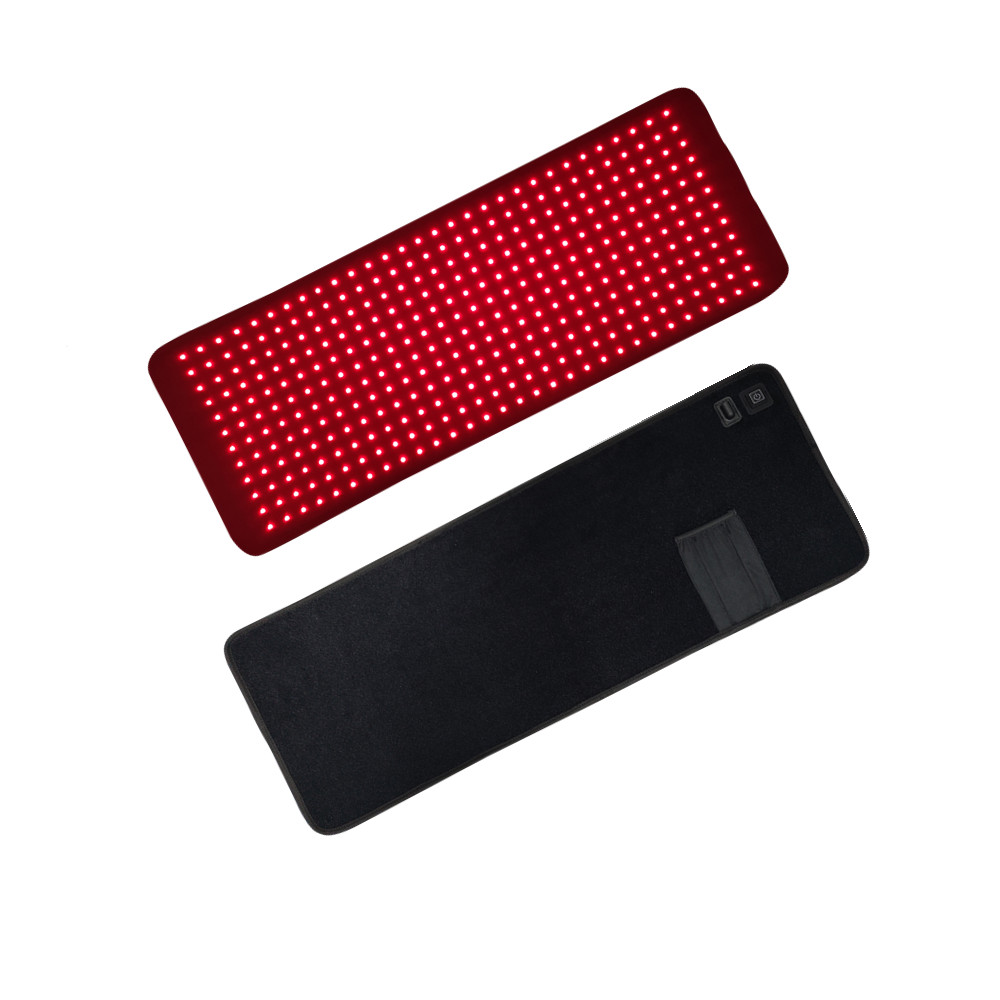
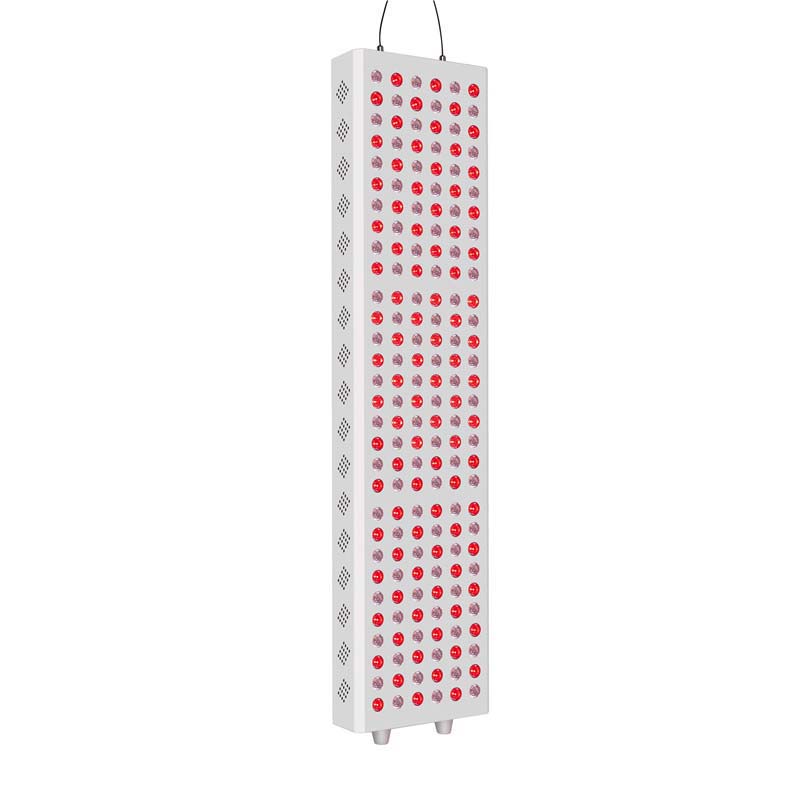
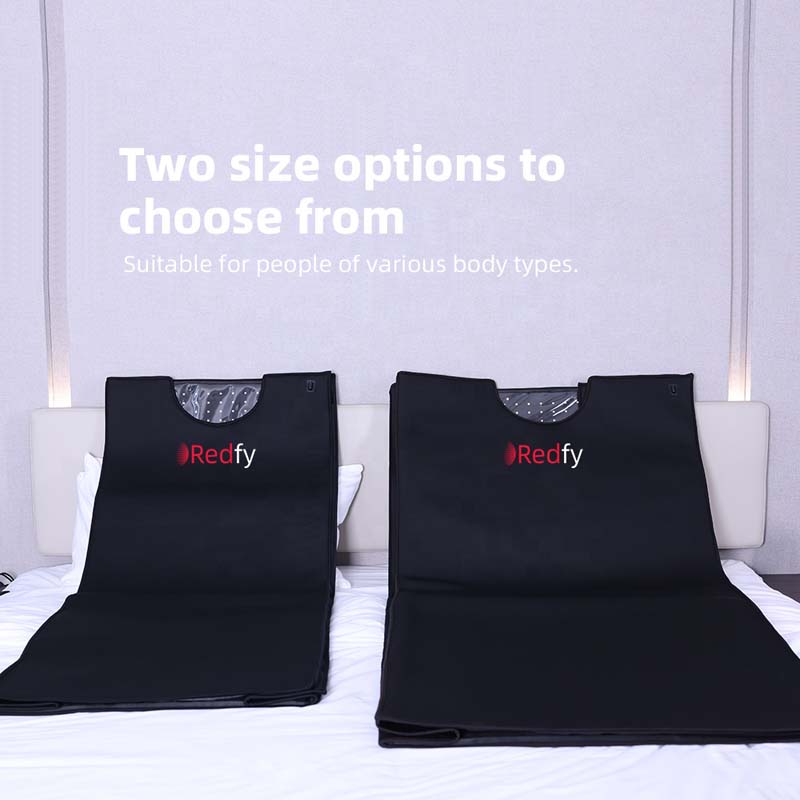
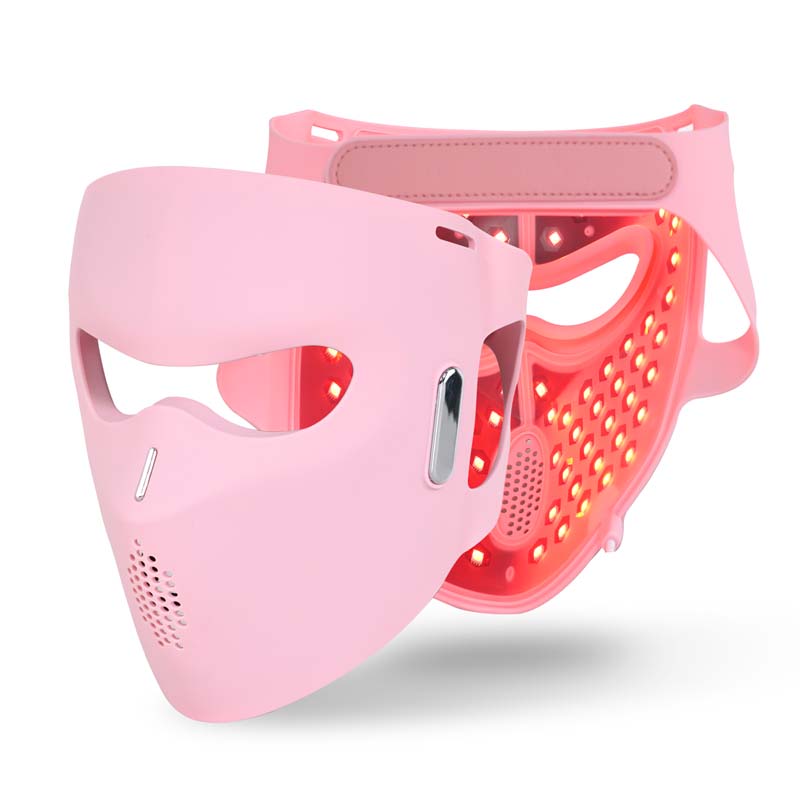
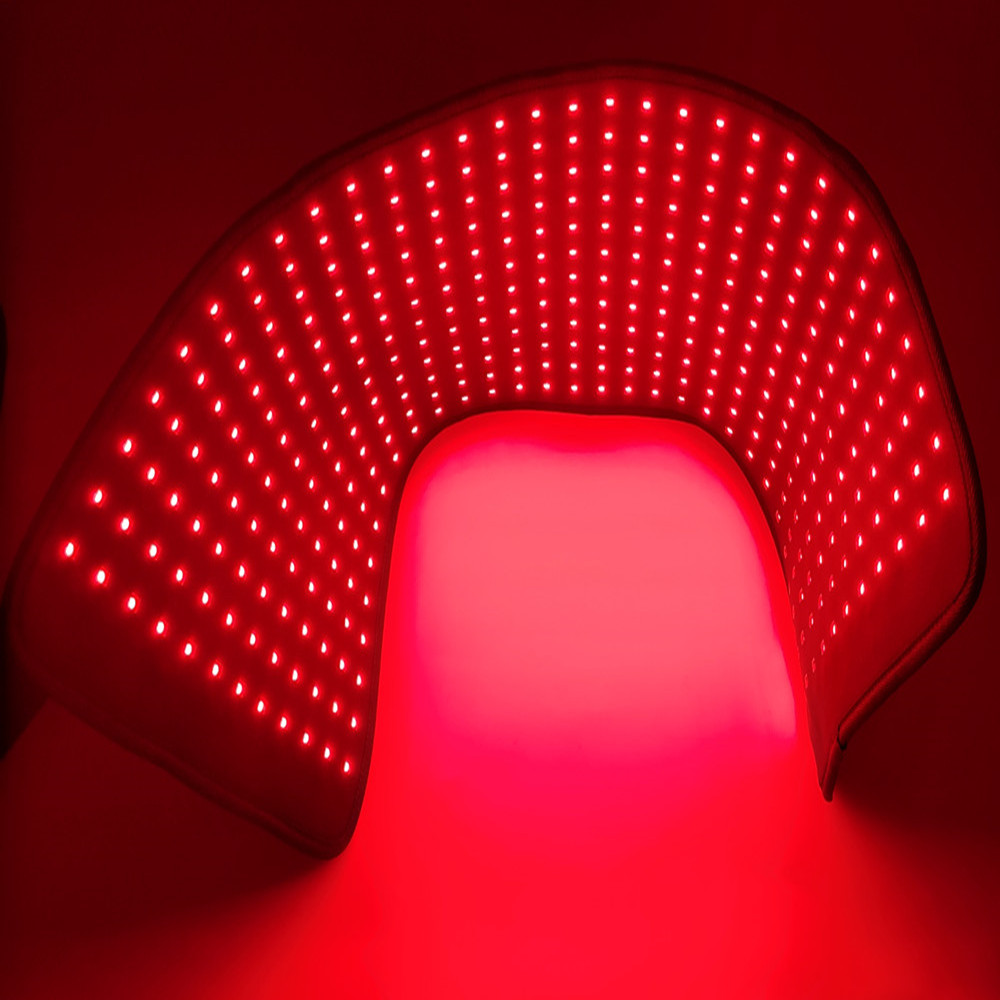
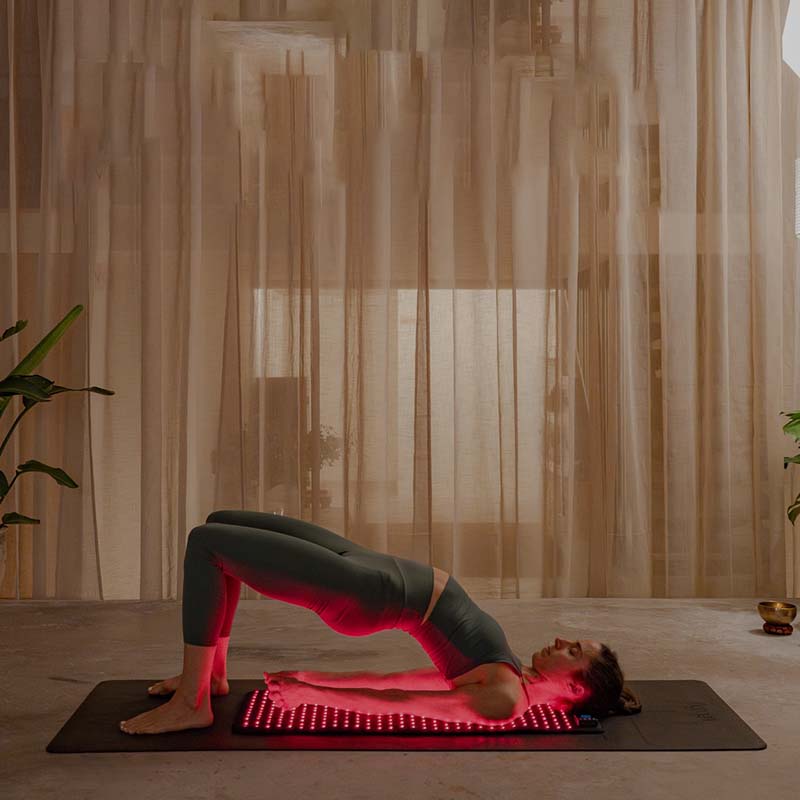
This is where the Red Light Therapy (RLT) yoga mat shifts from a “nice-to-have” gadget to a fundamental growth engine. It is the first technology that allows a studio to integrate medical-grade wellness directly into the flow of a standard class, turning a standard cost center—the floor mat—into a high-margin profit machine.
I. The Strategic Pivot: From Fitness to Longevity
The 2026 practitioner is significantly more sophisticated than the student of 2016. The rise of “biohacking” and the democratization of longevity science have shifted the goalposts. Clients aren’t just looking for a “good sweat” or a “calm mind”; they are looking for mitochondrial health, systemic inflammation reduction, and cellular repair.
According to data from the Global Wellness Institute, the “Physical Activity” sector has ballooned into a trillion-dollar industry, but the fastest-growing sub-sector isn’t “weight loss”—it’s “Active Recovery.” By replacing standard rubber mats with RLT-integrated mats, a studio immediately differentiates itself. You are no longer selling a yoga class; you are selling a Wellness Performance session.
Creating a Competitive Moat
This creates a barrier to entry that Peloton or a home-based YouTube workout cannot cross. While a consumer might buy a small red light panel for their face at home, they are unlikely to invest several thousand dollars in a professional-grade, high-irradiance full-body mat. The studio provides the “luxury access” to technology that is otherwise cost-prohibitive for the individual, making the studio membership an essential part of their health stack rather than a discretionary luxury.
II. The Financial Logic: Turning $2,000 into $30,000
In the traditional studio model, mats are a liability. They require constant cleaning, they degrade over 12 months, and they offer zero direct ROI. Most studios charge a nominal $2 or $5 rental fee that barely covers the labor of the staff who must sanitize them. RLT mats flip the financial script through several distinct revenue streams.
1. The Technology Surcharge Model
Assume a boutique studio with 20 spots per class. By offering a “Bio-Mat Upgrade,” the owner creates a new revenue stream that requires no additional square footage and no extra staff.
- Capital Expenditure (CapEx): Approximately $1,800 per mat.
- Premium Rental Fee: $20 per session.
- Usage Rate: 2 sessions per day (conservative for a studio running 5–7 classes).
The ROI Math:
Daily Revenue = 2 x $20 = $40
Days to Breakeven = $1,800 / $40 = 45 days
In roughly six weeks, the equipment has paid for itself. In a year (operating 350 days), a single mat generates $14,000 in gross revenue. For a studio running 10 of these mats, that is $140,000 in incremental revenue with a marginal cost of essentially zero. The electricity required to power an LED mat is negligible, often less than $0.15 per session.
2. Membership Tiering and Upselling
Beyond rentals, RLT mats serve as the perfect “hook” for membership upselling. If your “Basic” membership is $160/month, you can introduce an “Elite Recovery” tier at $260/month that includes guaranteed RLT mat access, early booking, and specialized recovery workshops. Because the service is automated—the client simply lies on the mat during their existing practice—the studio captures that extra $100 per month as pure margin.
III. The Biological Engine: The Science of Photobiomodulation
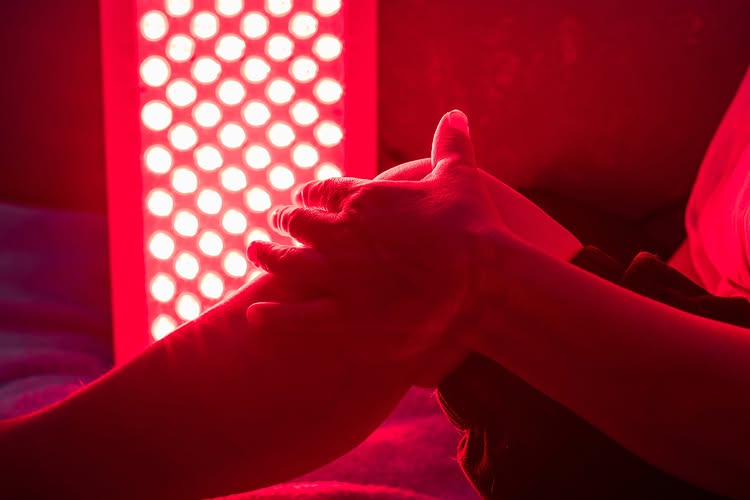
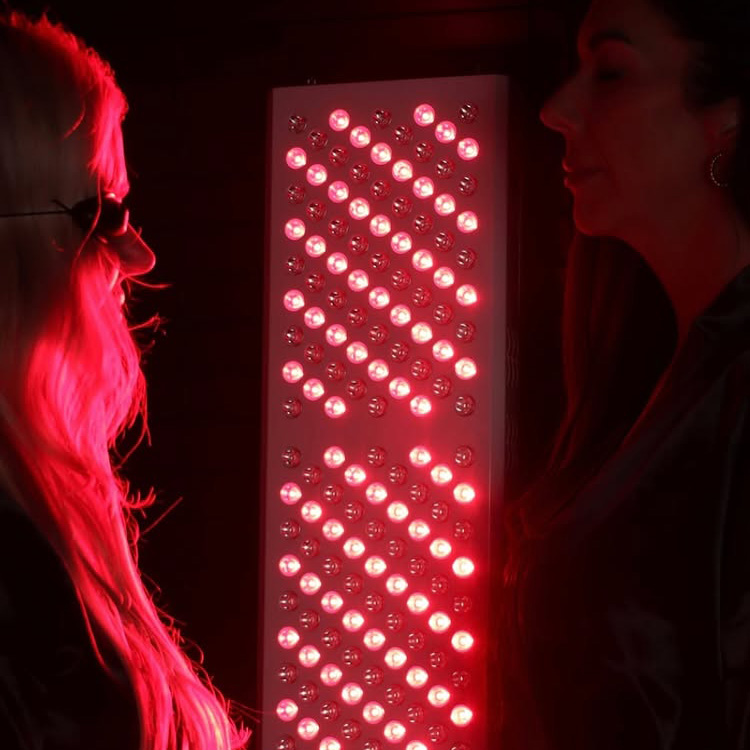
If RLT were just “fancy lights,” the trend would die in a season. However, Red Light Therapy—or Photobiomodulation (PBM)—is one of the most clinically validated modalities in modern wellness, with over 6,000 studies on PubMed documenting its efficacy.
ATP and Mitochondrial Activation
The core mechanism is the absorption of photons (specifically in the 660nm red and 850nm near-infrared spectrum) by Cytochrome c oxidase within the mitochondria. This triggers a chemical reaction that increases the production of Adenosintriphosphat (ATP), the primary energy currency of the cell.
The Biological Result:
Increased ATP Production -> Enhanced Cellular Energy -> Accelerated Tissue Repair
The Impact on the Yoga Practitioner
- Reduced Delayed Onset Muscle Soreness (DOMS): Clients who practice high-intensity Power Yoga or Vinyasa often need 48 hours of recovery. RLT significantly mitigates muscle fatigue, allowing that client to return to the studio 4–5 times a week instead of 2. Research published by the NCBI suggests that PBM therapy can decrease oxidative stress and muscle fatigue.
- Increased Blood Flow and Vasodilation: Near-infrared light (850nm) penetrates up to 5cm into the tissue, promoting blood flow. This is particularly effective for yoga students dealing with chronic joint pain or tight fascia, making the physical practice safer and more effective.
- Nervous System Regulation: Research from the Wellman Center for Photomedicine at Harvard suggests that PBM can modulate the nervous system, helping to shift the body from a Sympathetic (fight or flight) state to a Parasympathetic (rest and digest) state faster than meditation alone.
The “Glow” Factor and Aesthetics
Red light therapy is a staple in high-end dermatology for collagen production. When a client leaves a “Red Room” yoga session, they don’t just feel better—they look better. The reduction in facial puffiness and the “lit-from-within” look provided by increased collagen synthesis create a powerful psychological feedback loop. This provides visible ROI for the client, which is the strongest driver of retention in the fitness industry.
IV. Demographics and Market Expansion
The “Recovery Tech” boom is rapidly diversifying the boutique yoga base, moving it away from its traditional silos. Historically, yoga practitioners in the West have been roughly 70% white and 75% female. RLT mats are helping to break these boundaries.
- The Male Pivot: Men are entering boutique studios at a 20% higher rate than in 2020, primarily driven by “Longevity” and “Biohacking” interests. They are often highly motivated by the data-backed recovery of RLT, viewing the mat as a performance tool rather than just a place to stretch.
- The Aging Athlete: As the population ages, the “active senior” (ages 55–75) is becoming a massive revenue driver. This group prioritizes joint health and inflammation management—two areas where RLT excels.

V. Operational Reality: Why Mats Beat Saunas and Cryo
When studio owners look to increase revenue, they often think “big”: Infrared saunas or cryotherapy chambers. While these are excellent modalities, they are often operational nightmares for a boutique studio owner compared to RLT mats.
| Besonderheit | Infrared Sauna | Cold Plunge | RLT Yoga Mat |
|---|---|---|---|
| Footprint | 40-60 sq ft | 30 sq ft + drainage | 0 sq ft (Existing footprint) |
| Permits | Electrical/Plumbing | Plumbing/Drainage | None |
| Staffing | Requires 1-on-1 scheduling | Requires constant cleaning | Group Scalable |
| Upfront Cost | $15,000+ | $10,000+ | $1,500 – $2,000 |
| Throughput | 1 person per hour | 4-6 people per hour | 20+ people per hour |
The RLT mat represents “Plug-and-Play Scalability.” It requires no building permits, no specialized electrical upgrades, and zero change to the studio’s physical layout. It is the only “biohacking” tool that scales linearly with class size.
VI. Marketing the “Red Room” and Social Proof
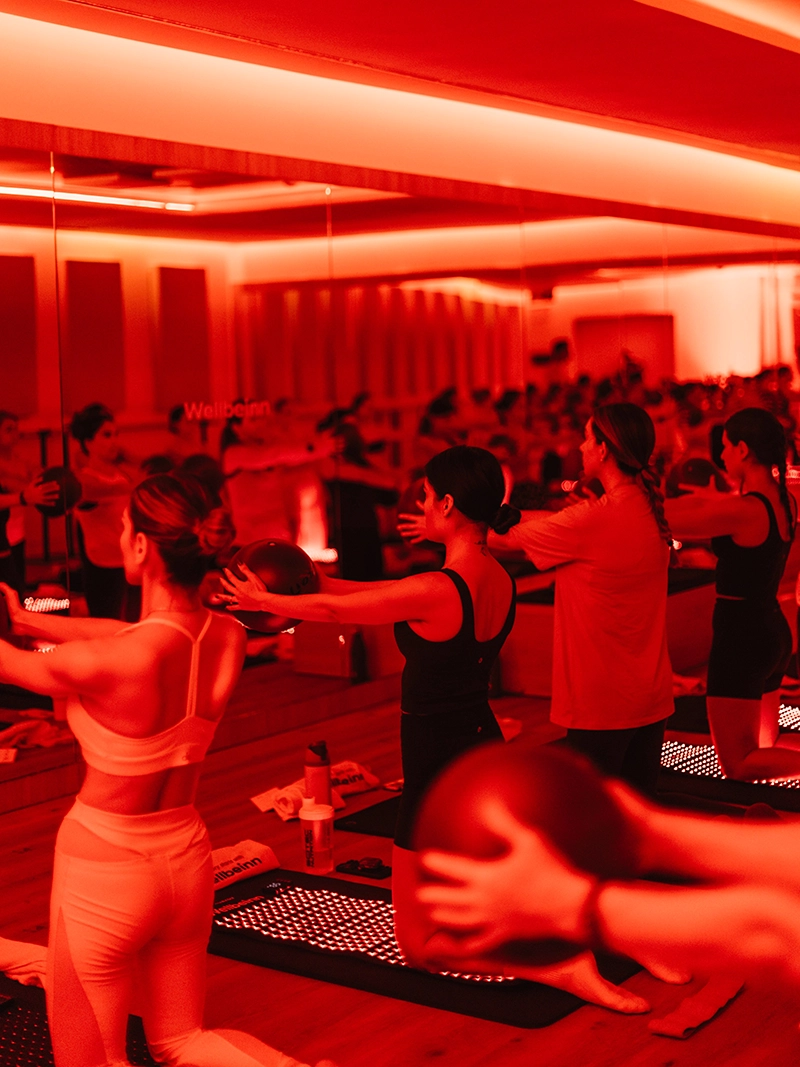
In a world dominated by visual social media, the image of a studio bathed in a deep, crimson glow is a marketing goldmine. It looks futuristic and premium, signaling results before the student even unrolls their towel.
This creates Native Referrals. When a client takes a post-class selfie in a “Red Light” studio, they aren’t just showing off their yoga pose; they are showing off their participation in a high-tech wellness ritual. This organic social proof is significantly more effective than traditional digital ads. It positions the studio as a “Health Partner” rather than just a “Fitness Instructor.”
VII. Conclusion: The First-Mover Advantage
The window to use RLT mats as a primary differentiator is closing. In 2024, it was an outlier. In 2026, it is becoming an expectation in “A-list” markets like New York, London, and Los Angeles. Studios that adopt early are capturing the “Bio-Optimizer” demographic—the highest lifetime value (LTV) clients in the market.
Once a practitioner gets used to the recovery benefits of an RLT mat, practicing on a standard piece of $30 rubber feels like a step backward. The conclusion for the studio owner is simple: You are not in the business of teaching “downward dog.” You are in the business of managing your clients’ energy and recovery. The RLT mat is the bridge between the ancient practice of movement and the future of biological optimization.
Invest in the mat, not just the class. The future of the boutique studio isn’t just in the instructors you hire, but in the technology you provide to ensure your clients keep coming back—stronger, faster, and more “optimized” than they were yesterday.
 English (United States)
 French (Canada)
 English (UK)
 English (Australia)
 English (Canada)
 English (New Zealand)
 English (South Africa)
 Bulgarian
 Croatian
 Arabic
 Czech
Czech Danish
 Dutch
Dutch Estonian
 Finnish
 French (France)
 Turkish
 Swedish
 Spanish
 Slovenian
 Georgian
 German
 Greek
Greek Hebrew
 Hungarian
 Icelandic
 Indonesian
 Italian
 Japanese
 Korean
 Latvian
 Lithuanian
 Slovak
 Serbian
 Portuguese
 Luxembourgish
 Irish
Irish Romanian
 Russian