
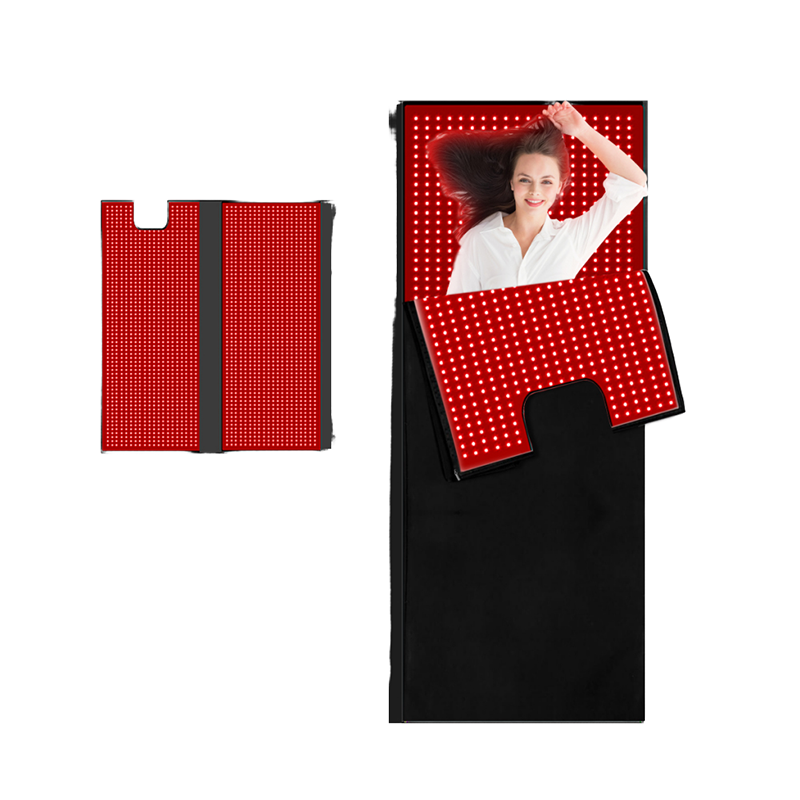
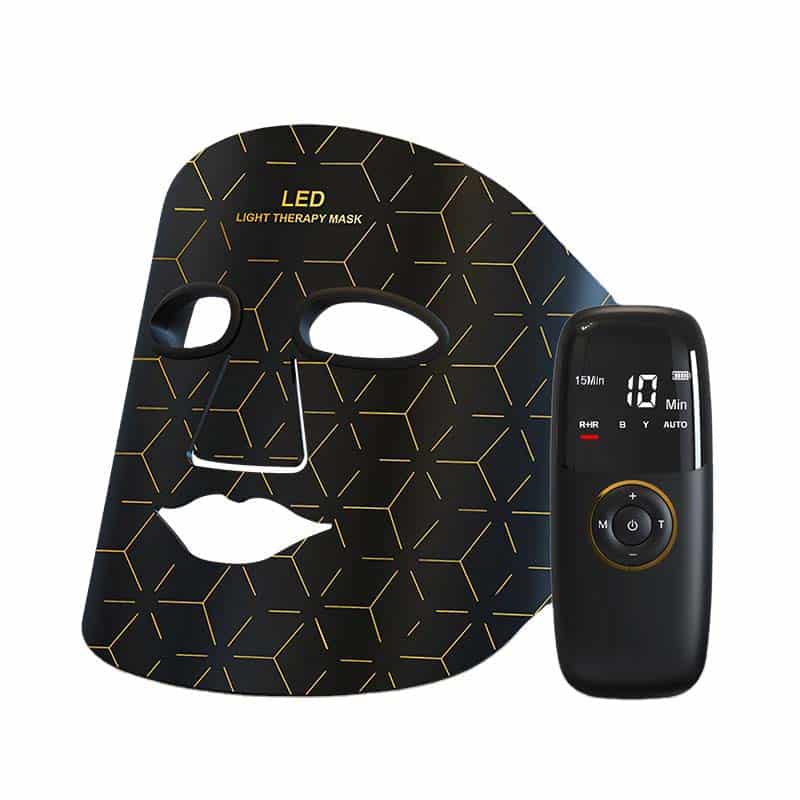
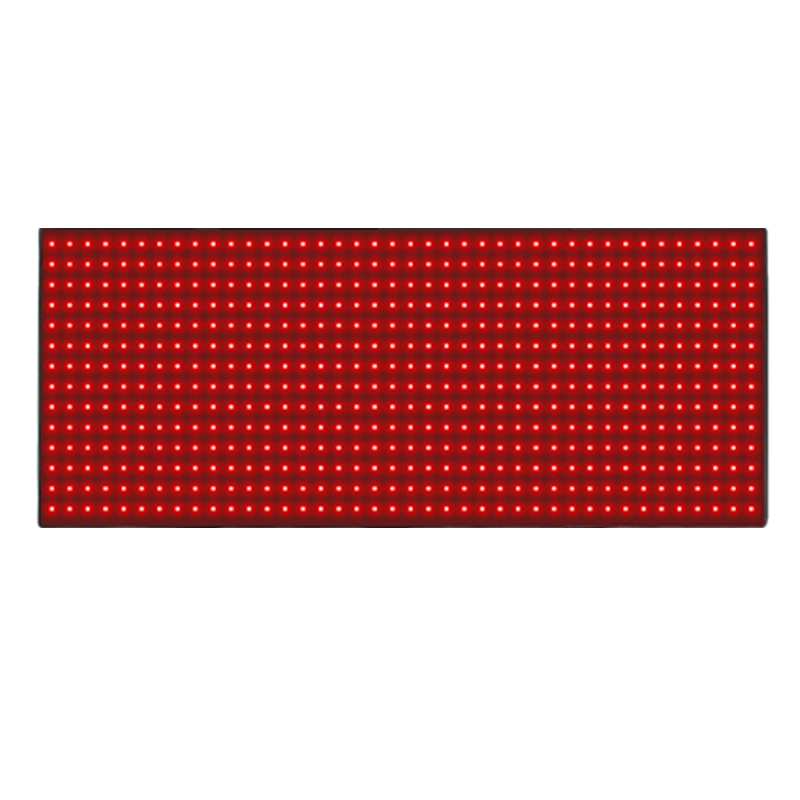
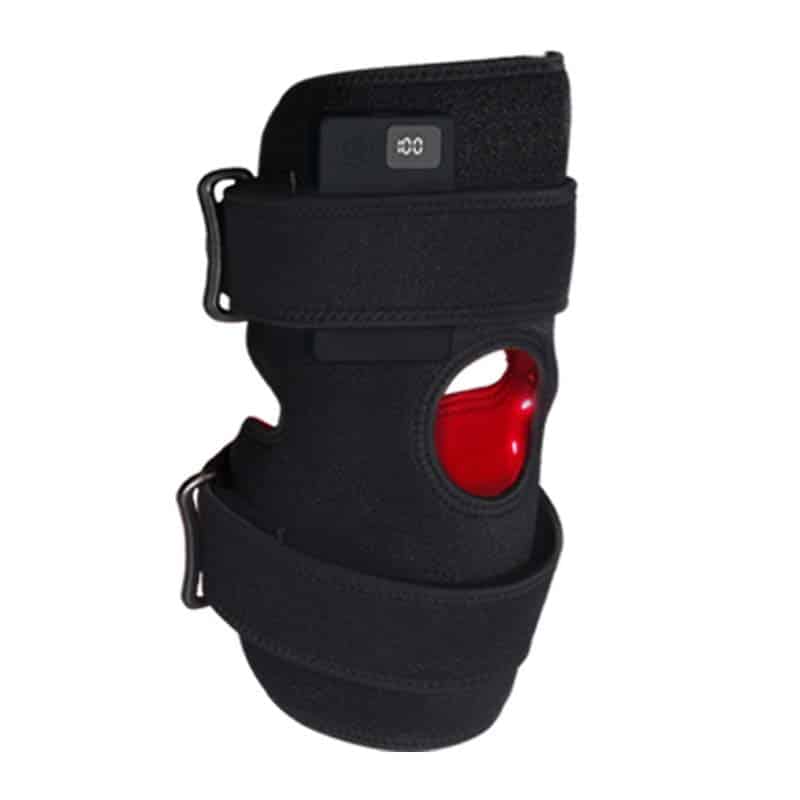
Red light therapy masks are indeed FSA eligible in many circumstances, but qualification depends on several important factors. Specifically, a red light therapy mask qualifies as an FSA-eligible expense when it is purchased and used primarily to diagnose, treat, manage, or prevent a documented medical condition, in accordance with IRS guidelines governing flexible spending accounts. When a healthcare professional has recommended red light therapy as part of a structured treatment plan — for conditions such as chronic skin disorders, persistent pain, or inflammatory conditions — your FSA funds can legitimately be applied toward the cost of these devices. However, masks purchased purely for cosmetic enhancement, general skincare maintenance, or routine wellness purposes typically fall outside the boundaries of FSA eligibility. Understanding this distinction is essential before making a purchase, and this comprehensive guide will walk you through every critical aspect of FSA eligibility as it applies to red light therapy masks.
Red light therapy has steadily emerged as a widely recognized non-invasive treatment method, offering potential benefits across a range of health concerns, including pain management, skin condition treatment, muscle and tissue recovery, and the reduction of inflammation. As the technology becomes increasingly accessible through consumer-grade at-home devices, more individuals are exploring whether they can offset the cost of these products using pre-tax dollars from their Flexible Spending Account (FSA) nó Health Savings Account (HSA).
This article delivers a thorough explanation of when red light therapy masks qualify as FSA-eligible expenses, what documentation you may be required to provide, which medical conditions support eligibility, how to complete your purchase through your benefits, and which specific brands and products you can explore. A series of frequently asked questions is also addressed toward the conclusion of this guide.
1. What Are Red Light Therapy Masks and What Are They Used For?
1.1 What Exactly Is a Red Light Therapy Mask and How Does It Work?
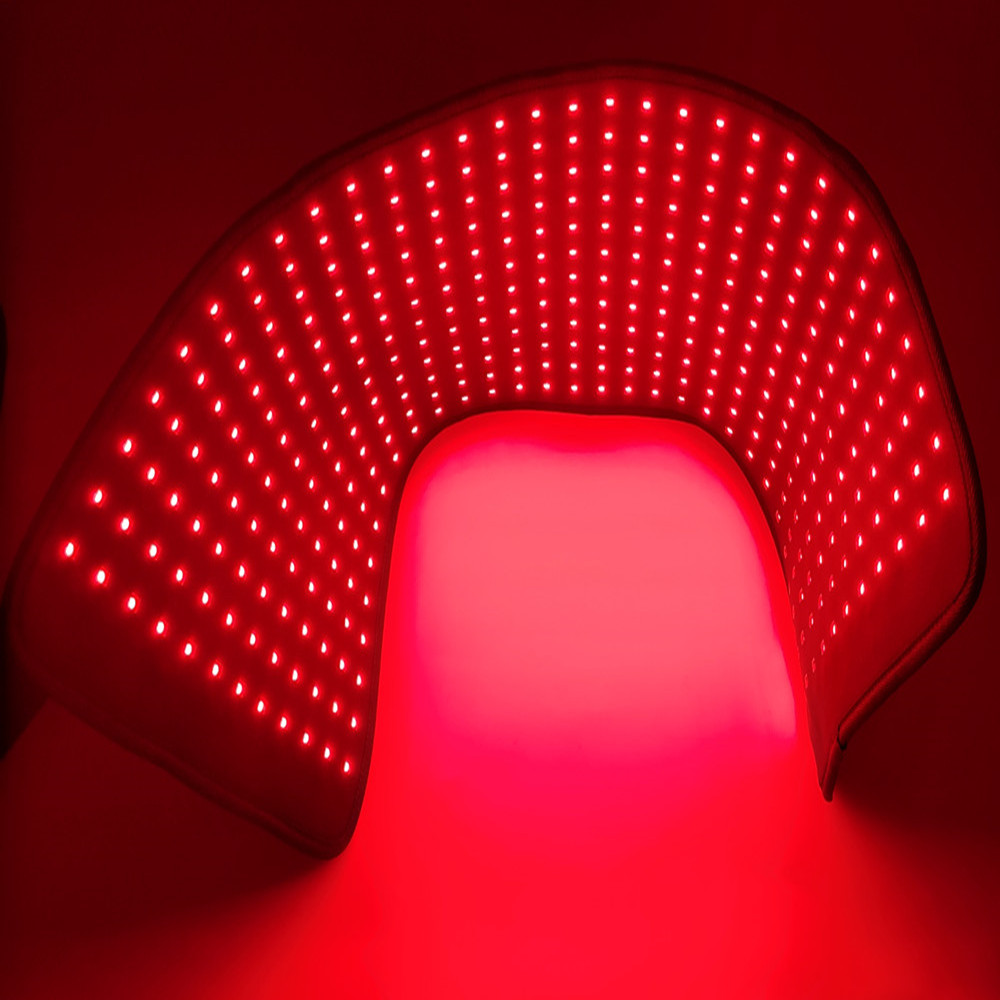
A red light therapy mask is a wearable device that emits specific wavelengths of red and, in many cases, near-infrared light directly onto the skin of the face and surrounding areas. These wavelengths — typically ranging between 630 and 850 nanometers — are absorbed by the skin and underlying tissues, where they interact with cellular structures to stimulate a range of biological processes.
At the cellular level, red light therapy is understood to energize mitochondria, the components of cells responsible for generating energy. When mitochondrial activity is enhanced, cells can perform their natural restorative and regenerative functions more effectively. This process is associated with increased collagen production, reduced inflammation, accelerated tissue repair, and improved local circulation. These effects explain why red light therapy has attracted attention not only in dermatological and cosmetic contexts but also in clinical and rehabilitation settings.
1.2 What Conditions Are Red Light Therapy Masks Commonly Used to Treat?
Red light therapy masks are used across a wide spectrum of applications, some of which are medically oriented and others of which are more general or aesthetic in nature. On the medical side, these devices are employed in the management of inflammatory skin conditions such as aicne vulgaris, rosacea, eicseama, agus psoriasis. They are also used to support wound healing, accelerate recovery from skin-related surgical procedures, and address certain types of chronic facial pain or neuropathy.
On the wellness and cosmetic side — which typically falls outside FSA eligibility — red light therapy masks are marketed for anti-aging purposes, general skin tone improvement, and cosmetic collagen stimulation without any underlying medical diagnosis.
Understanding this divide between medical and non-medical use is central to determining whether your specific use case qualifies for FSA reimbursement or direct payment.
2. Who Qualifies to Use FSA Funds for Red Light Therapy Masks?
2.1 Who Is Eligible to Purchase a Red Light Therapy Mask Using FSA or HSA Funds?
Any individual who holds an active Flexible Spending Account nó Health Savings Account and uses a red light therapy mask to treat, manage, or alleviate a recognized and documented medical condition may qualify to use their pre-tax benefits for this purchase. Eligibility is not determined by the device itself but rather by the purpose for which it is being used.
The Internal Revenue Service defines eligible medical expenses as those incurred for the diagnosis, cure, mitigation, treatment, or prevention of disease, or for the purpose of affecting any structure or function of the body. This means that the individual using the mask must have a medically recognized condition for which red light therapy has been recommended or prescribed by a qualified healthcare provider.
Individuals purchasing red light therapy masks without any medical condition — or for purely cosmetic reasons — would not meet the IRS standard and should not attempt to use FSA funds for such purchases.
2.2 Who Needs to Provide a Letter of Medical Necessity?
A Letter of Medical Necessity (LMN) is not universally required for every red light therapy mask purchase made with FSA or HSA funds, but it is strongly advisable in the majority of cases. Because red light therapy devices occupy a gray area in the consumer marketplace — being sold for both medical and non-medical purposes — many FSA administrators require this letter to confirm that the purchase is medically motivated.
An LMN is most commonly required when:
- The device is being used to treat a diagnosed chronic condition, such as persistent acne, inflammatory skin disease, chronic facial pain, or neuropathy
- The device carries a higher price point that may trigger additional scrutiny during plan audits
- The plan administrator does not have a pre-approved product list that includes the specific mask in question
A properly prepared Letter of Medical Necessity should include the patient’s diagnosed condition, an explanation of how red light therapy supports their treatment plan, the recommended frequency and duration of use, and the healthcare provider’s signature and credentials. This documentation serves as the foundation for FSA compliance and significantly reduces the risk of claim rejection, reimbursement delays, or complications during account audits.
3. When Does a Red Light Therapy Mask Qualify as an FSA-Eligible Expense?
3.1 When Is a Red Light Therapy Mask Considered FSA Eligible?
A red light therapy mask is considered FSA eligible when its primary and intended purpose is to treat, mitigate, or manage a diagnosed medical condition, as supported by documentation from a licensed healthcare provider. The determination of eligibility is centered on intent and application rather than on the device’s marketing language, brand reputation, or FDA clearance status alone.
The following conditions represent common circumstances under which red light therapy masks meet FSA eligibility criteria:
Chronic Inflammatory Skin Conditions: Conditions such as acne vulgaris, rosacea, eczema, and psoriasis involve ongoing inflammation and skin disruption that can be meaningfully addressed through consistent red light therapy. When a dermatologist or physician includes red light therapy as part of a treatment protocol for one of these conditions, the associated device purchase is generally considered FSA eligible.
Post-Procedural Skin Recovery: Individuals recovering from skin-related surgical procedures, laser treatments, or other medical interventions may be directed to use red light therapy masks to support healing and reduce post-operative inflammation. In these cases, the medical context is clearly established, and eligibility is relatively straightforward.
Wound Healing Support: Patients with chronic wounds, ulcers, or healing complications affecting the facial region may use red light therapy under medical guidance. This application is recognized as a legitimate therapeutic use and supports FSA eligibility.
Neuropathy and Nerve Pain Affecting Facial Areas: Individuals experiencing facial neuropathy or nerve-related discomfort may be directed by neurologists or pain specialists to incorporate red light therapy into their management plan. This neurological medical context supports FSA eligibility when properly documented.
Circulatory Impairment Affecting Skin Health: Certain circulatory conditions that affect tissue health and skin function in the facial region may benefit from red light therapy under a physician’s guidance. When medically recommended, these circumstances can also qualify.
Inflammatory Joint Conditions Near the Jaw: Conditions such as temporomandibular joint disorder (TMJ), which involves painful inflammation near the jaw and face, may sometimes be addressed with targeted red light therapy. When prescribed or recommended by a healthcare provider, this use supports eligibility.
Post-Surgical Recovery from Facial or Jaw Procedures: Recovery from oral surgeries, reconstructive procedures, or other facial operations may involve red light therapy as part of a medically supervised healing protocol, qualifying the device expense under FSA guidelines.
3.2 When Does a Red Light Therapy Mask Not Qualify for FSA Use?
Red light therapy masks purchased primarily for general anti-aging purposes, routine cosmetic improvement, athletic performance enhancement without a medical diagnosis, or everyday wellness maintenance do not meet IRS standards for FSA or HSA eligibility. Plan administrators and auditors evaluate the intent and documentation behind each purchase rather than simply accepting a receipt or product description as sufficient justification.
4. Where Can You Purchase FSA-Eligible Red Light Therapy Masks?
4.1 Where Is the Best Place to Buy Red Light Therapy Masks Using Your FSA or HSA?
There are two primary purchasing pathways available to individuals who wish to use FSA or HSA benefits to acquire red light therapy masks:
Direct Purchase at Checkout Using Your FSA or HSA Card
The most streamlined and convenient method is to shop through a marketplace or retailer that explicitly identifies FSA- and HSA-eligible products and allows you to pay directly with your benefits card at checkout, just as you would use a standard debit or credit card. Platforms such as the Flex Marketplace have been developed specifically to simplify this process, offering a curated selection of qualifying health and medical devices — including red light therapy masks — that are clearly labeled for FSA and HSA compatibility.
This approach minimizes administrative burden, reduces the likelihood of inadvertently purchasing a non-eligible item, and eliminates the need for manual reimbursement claims. It is particularly recommended for first-time FSA purchasers or those who prefer a frictionless experience.
Out-of-Pocket Purchase Followed by Reimbursement Claim
When a retailer does not support direct FSA or HSA card payment, individuals can complete their purchase using personal funds and subsequently submit a reimbursement request to their plan administrator. This method requires careful record-keeping. You will typically need to provide an itemized receipt that clearly states the product name, date of purchase, and total cost. Depending on your plan’s requirements, a Letter of Medical Necessity may also need to accompany your reimbursement submission.
While this method is entirely valid, it introduces additional steps and a potential waiting period before reimbursement is processed. Ensuring that all documentation is complete and accurate before submission will help avoid unnecessary delays or denial.
4.2 Where Can You Find FSA-Approved Red Light Therapy Mask Brands?
Several well-regarded brands manufacture red light therapy masks that are commonly purchased using FSA and HSA benefits when applied to qualifying medical conditions. The following brands represent options that buyers frequently explore through their benefit plans:
CurrentBody: CurrentBody produces a line of Imréiteach FDA red and near-infrared light therapy devices, including facial masks and body panels, designed to address skin health, pain relief, and recovery. Their products are frequently incorporated into dermatological treatment plans for skin conditions and inflammation management, making them a strong candidate for FSA use with appropriate medical documentation.
Omnilux: Omnilux has established itself in both professional clinical settings and consumer markets, offering LED light therapy masks that are regularly used in dermatology practices. Their masks are commonly recommended for acne treatment, inflammatory skin conditions, and post-procedural recovery, all of which can support a well-documented FSA eligibility claim.
Lumivisage: Lumivisage develops red light therapy devices targeting skin conditions including acne and irritation. When used with clear medical intent and proper documentation, Lumivisage products may meet the threshold for FSA-eligible medical expenses.
Ulike ReGlow: The Ulike ReGlow is an LED light therapy mask specifically designed for skin treatment applications, including acne management and skin irritation relief. When used as part of a medically guided treatment plan for a diagnosed skin condition rather than for general skincare enhancement, it can qualify for FSA use.
American Wellness Authority: This brand offers red light therapy panels and systems intended for pain management, inflammation reduction, and tissue recovery support. Their products are often used in home treatment settings for musculoskeletal and chronic pain conditions under medical direction.
Kineon: Kineon integrates red light therapy with compression technology to support pain relief and joint health. While primarily designed for knee and joint applications, the brand’s approach to medically oriented light therapy aligns with FSA eligibility criteria when treatment is medically indicated.
SOLshine Photo Nutrition: SOLshine produces red and near-infrared light therapy panels frequently used at home for pain, inflammation, and healing support under medical supervision, representing another option for FSA-supported purchases.
RedLight Innovation: This company provides full-body red light therapy panels and targeted therapy systems designed to support recovery, circulation, and pain relief. When used within a medically guided treatment plan for a diagnosed condition, these devices may satisfy FSA eligibility requirements.
5. Why Is Understanding FSA Eligibility for Red Light Therapy Masks Important?
5.1 Why Does FSA Eligibility Matter When Purchasing a Red Light Therapy Mask?
Understanding FSA eligibility matters for a straightforward and compelling reason: red light therapy masks can represent a significant financial investment, often ranging from several hundred to over a thousand dollars for higher-end clinical-grade devices. The ability to purchase these devices using pre-tax dollars through an FSA or HSA translates into meaningful cost savings for individuals managing ongoing medical conditions.
FSA funds are contributed to your account before income taxes are applied, which means that every dollar you spend from your FSA on eligible expenses effectively stretches further than post-tax spending would. For someone in a moderate to high income tax bracket, the savings generated by using FSA funds for an eligible red light therapy mask purchase can be substantial — potentially reducing the effective cost of the device by twenty to thirty percent or more, depending on the individual’s tax situation.
Beyond the financial dimension, properly understanding eligibility guidelines also protects account holders from potential compliance issues. Misusing FSA funds for non-eligible expenses can result in tax penalties and additional fees. Having clear knowledge of what qualifies — and ensuring that appropriate documentation is in place — allows you to use your benefits confidently and responsibly.
5.2 Why Do Some Red Light Therapy Masks Qualify While Others Do Not?
The distinction in eligibility between different red light therapy masks comes down to use case and documentation rather than product specifications alone. Two individuals could purchase the exact same red light therapy mask model, and one purchase could be fully FSA eligible while the other is not — simply because one user has a diagnosed skin condition with a physician’s recommendation and the other is using the device for routine cosmetic improvement without any medical diagnosis.
FSA and HSA administrators do not evaluate products in isolation. They evaluate the medical context surrounding each purchase. This is why documentation, particularly a Letter of Medical Necessity, plays such a pivotal role in determining whether a claim is approved or denied.
6. How Do You Use Your FSA to Purchase a Red Light Therapy Mask?
6.1 How Do You Complete an FSA Purchase for a Red Light Therapy Mask Step by Step?
The process of purchasing a red light therapy mask using FSA funds can be broken down into a series of clear, manageable steps:
Step One — Consult With Your Healthcare Provider: Before making any purchase, discuss your condition and treatment goals with a licensed physician, dermatologist, or relevant specialist. If red light therapy is appropriate for your situation, ask your provider to prepare a Letter of Medical Necessity that documents your diagnosis, the recommended therapy, and the expected duration of use.
Step Two — Confirm Your FSA or HSA Balance: Review your current account balance to ensure that sufficient funds are available to cover the cost of the device you intend to purchase. Remember that FSA funds are typically subject to annual use-or-lose rules, so timing your purchase appropriately within your plan year is also worth considering.
Step Three — Select a Qualifying Device: Choose a red light therapy mask from a reputable brand that is recognized for medical-grade quality and is aligned with your documented treatment plan. Ensure the device’s intended use matches the condition described in your Letter of Medical Necessity.
Step Four — Choose Your Purchasing Method: Decide whether you will purchase directly through an FSA/HSA-eligible marketplace using your benefits card, or whether you will pay out of pocket and submit a reimbursement claim afterward.
Step Five — Retain All Documentation: Keep your itemized receipt, Letter of Medical Necessity, and any other relevant documentation in a secure location. This documentation may be requested during the claims process or in the event of a future account audit.
Step Six — Submit a Reimbursement Claim if Applicable: If you did not use your FSA card directly at checkout, submit your reimbursement claim to your plan administrator with all required supporting documentation as promptly as possible.
Supplementary Feature 1: The Role of FDA Clearance in FSA Eligibility
One important consideration that many buyers overlook when evaluating FSA eligibility for red light therapy masks is the significance of FDA clearance. While FDA clearance alone does not automatically make a device FSA eligible, it can play a meaningful supporting role in strengthening an eligibility claim.
An FDA-cleared red light therapy device has undergone a regulatory review process through which the U.S. Food and Drug Administration has determined that the device is substantially equivalent to an already legally marketed device. This clearance indicates that the product meets specific standards for safety and intended use. For FSA administrators reviewing claims — particularly for higher-cost devices — FDA clearance can serve as supporting evidence that the product in question is intended for legitimate therapeutic or medical purposes rather than purely cosmetic ones.
Several of the brands featured in this article, including CurrentBody, offer FDA-cleared devices. When building your documentation package for an FSA claim involving a red light therapy mask, including information about the device’s FDA clearance status — alongside your Letter of Medical Necessity and itemized receipt — can contribute to a more thorough and persuasive submission. It signals to the administrator that the device has passed scrutiny at a regulatory level, reinforcing the medical legitimacy of your purchase.
However, it remains essential to understand that FDA clearance is supplementary evidence, not a standalone determinant of FSA eligibility. The core requirement remains a clearly documented medical purpose, supported by a healthcare provider’s written recommendation.
Supplementary Feature 2: At-Home Red Light Therapy Masks Versus In-Office Treatments — Does the Setting Affect FSA Eligibility?
A common question among individuals exploring red light therapy as part of their treatment plan is whether FSA eligibility differs between at-home devices and professional in-office treatments. The answer is that the treatment setting itself does not create a meaningful eligibility difference.
Both an at-home red light therapy mask purchased for personal use and a red light therapy session conducted in a clinical or professional setting are subject to the same fundamental eligibility criteria under IRS guidelines. In both cases, eligibility hinges on whether the therapy is being used to treat, manage, or mitigate a diagnosed medical condition, and whether appropriate documentation supports that medical intent.
For at-home devices, the eligibility case is typically built around a Letter of Medical Necessity from the treating provider, an itemized receipt, and evidence that the device serves a legitimate medical purpose. For in-office sessions, the same principles apply — the treatment must be medically indicated, and the provider’s documentation should reflect that the sessions are part of a structured treatment plan for a recognized condition.
This equivalence is worth understanding because it means that individuals who transition from professional treatments to at-home devices — or who supplement in-office care with a personal device — do not face a different eligibility standard simply because they have changed the location of their treatment. What matters, in both scenarios, is the medical foundation underpinning the therapy.
Ceisteanna Coitianta
FAQ 1: Can I Use My FSA Card to Buy a Red Light Therapy Mask at Any Retailer?
Not necessarily. While your FSA debit card can technically be used at many retailers, the card will only process successfully for purchases that have been coded as FSA-eligible by the merchant’s point-of-sale system. Not all retailers carry this coding for red light therapy masks, meaning your card may be declined even if the product you are purchasing would otherwise qualify as a legitimate medical expense.
To avoid this complication, it is advisable to shop through FSA-dedicated marketplaces or platforms that have already identified and tagged eligible products. If you choose to purchase from a retailer that does not support direct FSA card payment, you can pay out of pocket and submit a reimbursement claim to your plan administrator, provided you have the necessary documentation to support the claim.
FAQ 2: What Happens if My FSA Claim for a Red Light Therapy Mask Is Denied?
If your FSA claim is denied, you will typically receive a written explanation from your plan administrator outlining the reason for the denial. In many cases, denials occur because the submitted documentation was incomplete — for example, the receipt lacked sufficient detail, or no Letter of Medical Necessity was included.
In these situations, you can often appeal the decision by resubmitting the claim with more comprehensive documentation. If you do not yet have a Letter of Medical Necessity, obtaining one from your healthcare provider and submitting it alongside a corrected claim is often sufficient to overturn the denial. If the denial is upheld despite complete documentation, you may wish to consult with your benefits administrator or a tax professional to understand your options.
FAQ 3: Does Insurance Coverage Affect Whether I Can Use FSA Funds for a Red Light Therapy Mask?
Insurance coverage and FSA eligibility are governed by separate frameworks and do not directly affect one another. The fact that your health insurance plan does not cover red light therapy does not prevent you from using FSA funds for an eligible purchase, and vice versa. FSA eligibility is determined by IRS guidelines and your plan’s specific rules rather than by what your insurance plan covers or excludes.
However, it is worth noting that you cannot use FSA funds to cover expenses that have already been reimbursed by your health insurance plan. If your insurance covers a portion of a red light therapy treatment, your FSA can only be applied to the remaining out-of-pocket portion.
Conclúid
Red light therapy masks represent a meaningful and increasingly accessible option for individuals managing a range of medically recognized conditions — from chronic inflammatory skin disorders to post-procedural recovery and neuropathic concerns. As this guide has demonstrated, these devices are indeed FSA eligible under the right circumstances, and the key to unlocking that eligibility lies in three core elements: a clearly documented medical diagnosis, a well-prepared Letter of Medical Necessity from a qualified healthcare provider, and a purchasing process that aligns with your plan’s requirements.
Whether you choose to pay directly at checkout through an FSA-compatible marketplace or to purchase out of pocket and seek reimbursement, the path to using your pre-tax dollars effectively for a red light therapy mask is clear and navigable with the right preparation. By working with your healthcare provider to establish medical necessity, selecting a reputable and medically appropriate device, and retaining thorough documentation throughout the process, you can approach your purchase with both financial confidence and compliance assurance.
The brands and devices highlighted throughout this guide — including offerings from CurrentBody, Omnilux, Lumivisage, Ulike ReGlow, and others — provide a strong starting point for identifying products that align with FSA eligibility requirements when used within a medically supervised treatment plan. As you move forward, consulting with your plan administrator about any specific documentation requirements unique to your account will help ensure a smooth and successful purchasing experience.
Ultimately, the ability to use FSA funds for a red light therapy mask is not simply a financial convenience — it is a meaningful opportunity to reduce the cost burden of managing a legitimate health condition using a therapy that has demonstrated real clinical promise.


 English (United States)
 French (Canada)
 English (UK)
 English (Australia)
 English (Canada)
 English (New Zealand)
 English (South Africa)
 Bulgarian
 Croatian
 Arabic
 Czech
Czech Danish
 Dutch
Dutch Estonian
 Finnish
 French (France)
 Turkish
 Swedish
 Spanish
 Slovenian
 Georgian
 German
 Greek
Greek Hebrew
 Hungarian
 Icelandic
 Indonesian
 Italian
 Japanese
 Korean
 Latvian
 Lithuanian
 Slovak
 Serbian
 Portuguese
 Luxembourgish
 Irish
Irish Romanian
 Russian