

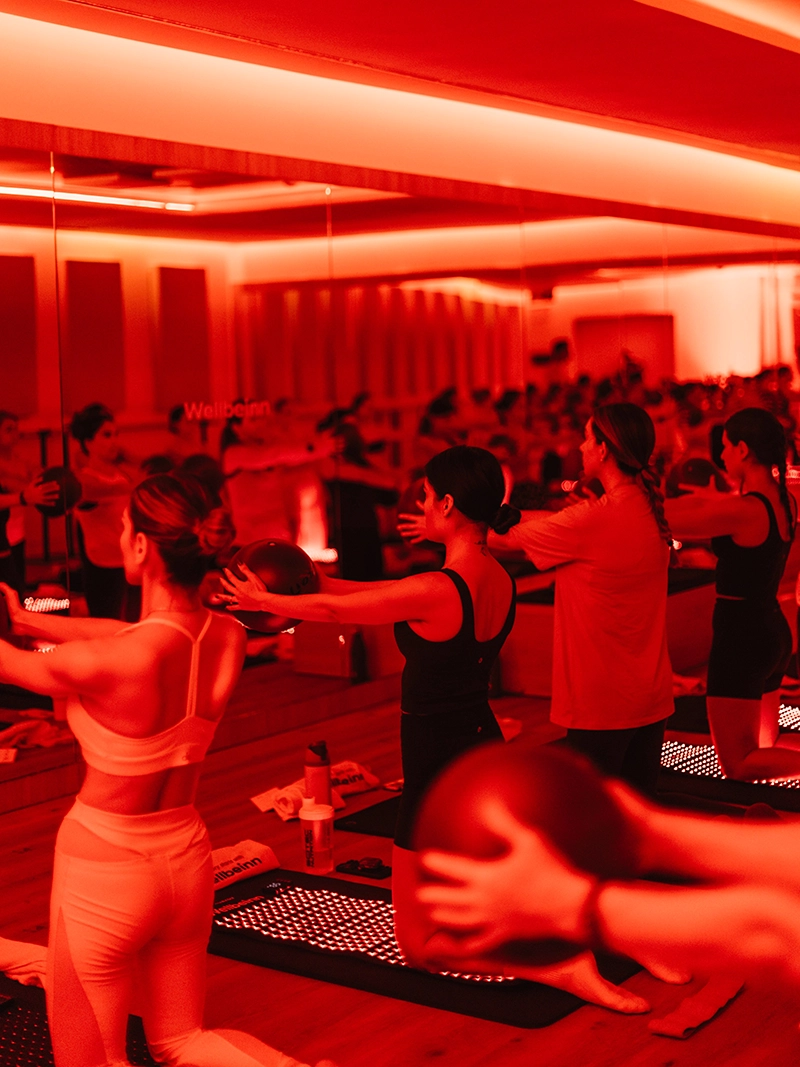
Primarni prednosti joge s crvenim svjetlom uključuju ubrzani oporavak mišića, značajno smanjenje sistemske upale, poboljšanu sintezu kolagena za dermatološko zdravlje i duboko produbljivanje veze uma i tijela. Spajanjem drevne fizičke discipline joge s modernom znanošću fotobiomodulacija , Praktičari mogu stimulirati proizvodnju stanične energije (ATP), povećati lokalnu cirkulaciju u ukočenim zglobovima i modulirati živčani sustav kako bi postigli stanje “blistavog oporavka”. Ovaj sinergijski pristup omogućuje svjetlosnim valnim duljinama $660 text{nm} $ i $850 text{nm} $ da istovremeno prodru u dermis i mišićno tkivo dok se tijelo isteže i oksigenira, što rezultira učinkovitijim i transformativnijim wellness iskustvom.
Zora nove paradigme wellnessa: Integracija svjetla i kretanja
U suvremenom krajoliku holističkog zdravlja, fuzija različitih, ali komplementarnih modaliteta obilježje je pokreta “biohackinga”. Spoj joga —praksa s više od 5000 godina povijesti — i terapija crvenim svjetlom —tehnologija koju je popularizirao NASA —predstavlja vrhunac ove evolucije. Joga crvenog svjetla nije samo trend; to je znanstveno utemeljena metoda optimizacije ljudske žile.
Joga se odavno slavi zbog svoje sposobnosti usklađivanja unutarnjih sustava tijela putem Asana (položaji) i Pranajama (vježbe disanja). Međutim, čak se i najposvećeniji praktičari suočavaju s fiziološkim uskim grlima: kroničnom upalom, sporim obnavljanjem tkiva i ograničenjima staničnog starenja. Uvedite terapiju crvenim svjetlom. Kupanjem tijela u specifičnim frekvencijama elektromagnetskog spektra možemo osigurati “gorivo” potrebno tijelu da življe reagira na zahtjeve joge. Ovaj vodič istražuje dubine ovog spajanja, pružajući iscrpan nacrt za svakoga tko želi osvijetliti svoju praksu.
Znanost sjaja: Razumijevanje fotobiomodulacije u jogi
Da bismo shvatili zašto je joga s crvenim svjetlom toliko učinkovita, moramo razumjeti staničnu mehaniku koja je u igri. Proces je tehnički poznat kao Fotobiomodulacija (PBM) . Kada vježbamo jogu pod crvenim ili bliskim infracrvenim svjetlom, naše stanice prolaze kroz transformativnu energetsku promjenu.
Mitohondrijski motor i ATP
Unutar gotovo svake stanice u vašem tijelu nalaze se mitohondrije , često nazivani “elektranama” stanice. Njihov primarni zadatak je proizvodnja Adenozin trifosfat (ATP) , molekula koja prenosi energiju unutar stanica. Tijekom seanse joge, vašim mišićima su potrebne ogromne količine ATP-a kako bi održali ravnotežu, fleksibilnost i snagu.
Crveno svjetlo ($660 text{nm} $) i blisko infracrveno svjetlo ($850 text{nm} $) djeluju kao katalizator za ovaj proces. Točnije, svjetlost apsorbira protein koji se zove Citokrom c oksidaza . Ova apsorpcija pomaže mitohondrijima da učinkovitije koriste kisik, čisteći "čepljenja" dušikovog oksida i ubrzavajući proizvodnju ATP-a. Kada to kombinirate s povećanom oksigenacijom iz jogijskog disanja, stvarate visokoučinkovito okruženje za stanični popravak.
Uloga hormeze
Terapija crvenim svjetlom služi kao oblik “hormeze” – korisnog stresora. Baš kao što joga položaji stavljaju kontrolirani stres na mišiće i vezivno tkivo kako bi ih ojačali, terapija crvenim svjetlom stavlja kontrolirani “svjetlosni stres” na stanice. To pokreće prirodnu antioksidativnu i protuupalnu obranu tijela, čineći oporavak od snažne Vinyasa vježbe mnogo bržim i manje bolnim.
Transformativne fizičke koristi: Izvan površine
Iako se estetske prednosti crvenog svjetla često ističu, prava vrijednost za praktičara joge leži u unutarnjim fiziološkim promjenama.
1. Povećana pokretljivost i fleksibilnost zglobova
Jedna od najvećih prepreka u jogi je ukočenost zglobova, posebno u kukovima, kralježnici i ramenima. Pokazalo se da terapija crvenim svjetlom povećava mikrocirkulaciju i smanjuje viskoznost sinovijalne tekućine u zglobovima. Kada je tijelo obasjano infracrvenim svjetlom, tkiva postaju “savitljivija”. To omogućuje dublji raspon pokreta tijekom Asane , smanjujući rizik od naprezanja i omogućujući praktičarima da sigurno postignu nove razine fleksibilnosti.
2. Brzi popravak mišića i smanjeni DOMS
Bol u mišićima s odgođenim početkom (DOMS) često može obeshrabriti vježbače u održavanju dnevne rutine. Primjena terapije crvenim svjetlom nakon vježbanja - ili čak tijekom vježbanja - ubrzava uklanjanje metaboličkog otpada poput mliječne kiseline. Nadalje, svjetlost stimulira migraciju matičnih stanica na mjesto mikroskopskih pukotina mišića, značajno skraćujući "vrijeme odmora" između intenzivnih sesija.
3. Proizvodnja kolagena i elastičnost kože
Joga se često hvali zbog svojih “anti-age” učinaka zbog smanjenog kortizola. Terapija crvenim svjetlom ide korak dalje izravno stimulirajući fibroblaste na proizvodnju kolagena i elastina. Za one koji prakticiraju “jogu lica” ili restorativne stilove, dodavanje crvenog svjetla pomaže u učvršćivanju kože, smanjenju finih linija i liječenju kožnih stanja poput ekcema ili psorijaze, koja se često pogoršavaju znojenjem i trenjem.
Psihološka i neurološka sinergija
Joga je jednako mentalna koliko i fizička disciplina. Blagodati joge crvenog svjetla protežu se duboko u živčani sustav, pomažući u postizanju "zen" stanja koje mnogi praktičari traže.
Stimulacija vagusnog živca i parasimpatička aktivacija
The vagusni živac je primarna komponenta parasimpatičkog živčanog sustava, odgovorna za stanje "odmora i probave". Joga prirodno stimulira vagusni živac dubokim dijafragmalnim disanjem. Blisko infracrveno svjetlo ima jedinstvenu sposobnost prodiranja duboko u područje vrata i prsa, gdje može dodatno modulirati autonomni živčani sustav. Ova dvostruka stimulacija pomaže u smanjenju varijabilnosti otkucaja srca (HRV) i smanjenju proizvodnje hormona stresa poput kortizola učinkovitije nego sama joga.
Usklađivanje cirkadijalnog ritma
Mnogi praktičari koriste jogu s crvenim svjetlom rano ujutro ili kasno navečer. Za razliku od "plavog svjetla" koje emitiraju ekrani, a koje remeti san, crveno svjetlo oponaša valne duljine izlazećeg ili zalazećeg sunca. To pomaže u regulaciji unutarnjeg sata tijela, potičući bolju kvalitetu sna - temeljni stup svake uspješne prakse joge.
Integriranje crvenog svjetla u različite stilove joge
Nisu sve joge jednake, a način na koji koristite svjetlosnu terapiju trebao bi se prilagoditi specifičnoj "energiji" vašeg odabranog stila. U nastavku slijedi detaljan pregled kako kombinirati svjetlosnu terapiju s različitim disciplinama.
Hatha joga: Temelj usklađivanja
Hatha je spora praksa usmjerena na poravnanje i zadržavanje poza. Zbog toga je savršen partner za terapiju crvenim svjetlom, jer tijelo ostaje relativno mirno, što omogućuje dosljednu apsorpciju fotona.
- Pristup: Postavite svoje crvene svjetlosne panele ili prostirku tako da osvjetljavaju kralježnicu i glavne mišićne skupine.
- Prednost: Poboljšana koncentracija i značajno smanjenje "škripanja" koje se često osjeća tijekom prvih nekoliko minuta Hatha seanse.
Vinyasa Flow: Dinamička energija
U Vinyasi je dah sinkroniziran s pokretom. To stvara mnogo unutarnje topline ( Tapasi ). Dodavanje crvenog svjetla može pomoći u upravljanju oksidativnim stresom koji dolazi s kretanjem većeg intenziteta.
- Pristup: Koristite svjetlo 15 minuta prije sesija za "predkondicioniranje" mišića ili 20 minuta nakon za izlučivanje mliječne kiseline.
- Prednost: Veća izdržljivost i značajno smanjenje umora mišića sljedeći dan.
Yin joga: Duboko tkivo i fascija
Yin joga cilja duboka vezivna tkiva - fasciju, ligamente i zglobove - a ne mišiće. Poze se drže 3 do 5 minuta.
- Pristup: Okupajte ciljano područje (poput donjeg dijela leđa ili bokova) bliskim infracrvenim svjetlom ($850 text{nm} $) tijekom trajanja poze.
- Prednost: Blisko infracrveno svjetlo prodire dovoljno duboko da dosegne gusto vezivno tkivo na koje Yin cilja, potencijalno ubrzavajući "oslobađanje" fascije.
Restorativna joga: Ultimativni reset
Restorativna joga koristi rekvizite za potporu tijelu u potpunom opuštanju. To je naj"pasivniji" oblik joge, što je čini idealnim kandidatom za izlaganje svjetlu tijekom cijele sesije.
- Pristup: Namjestite crveno svjetlo na niži intenzitet i lezite Šavasana ili podržano Balasana (Poza djeteta) 20 minuta.
- Prednost: Duboka regulacija živčanog sustava i "punjenje" energetskih zaliha tijela.
Praktična izvedba: Postavljanje vašeg prostora za jogu u crvenom svjetlu
Kako bi se maksimiziralo prednosti joge s crvenim svjetlom , vaša okolina mora biti pogodna i za fiziku svjetlosti i za tok joge. Evo detaljnog vodiča za postavljanje vašeg kućnog “Utočišta svjetlosti”.”
1. Odabir opreme
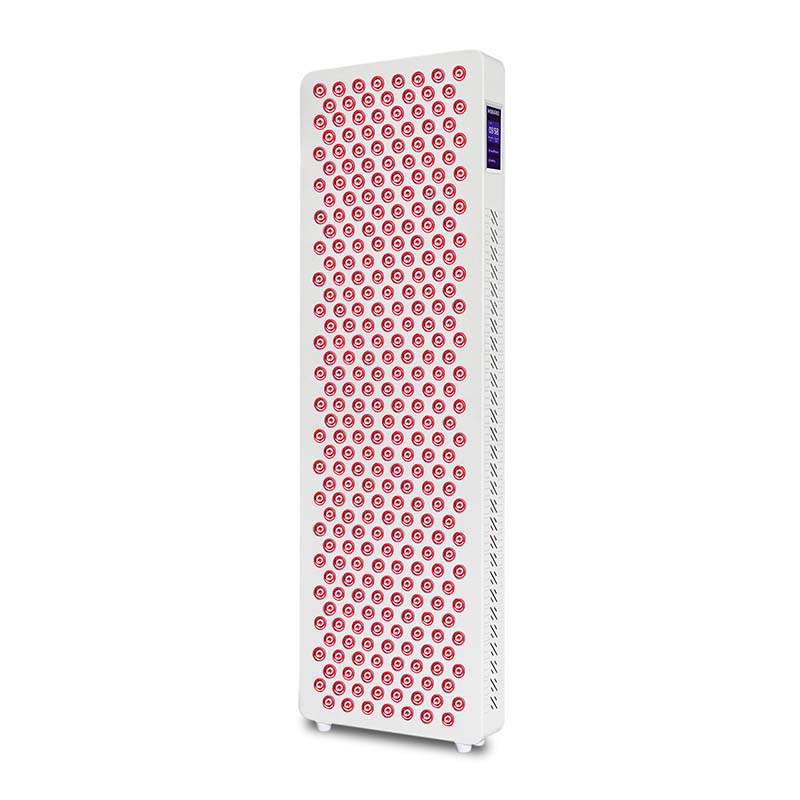
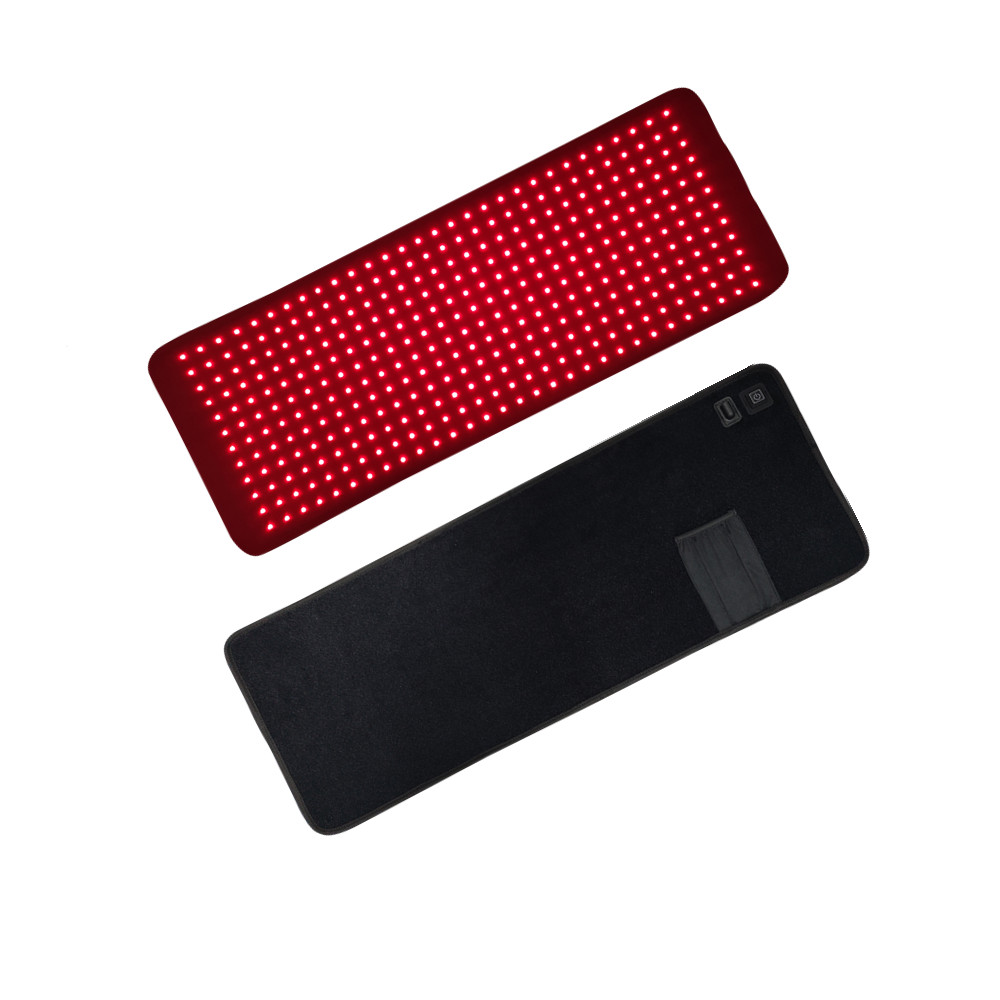
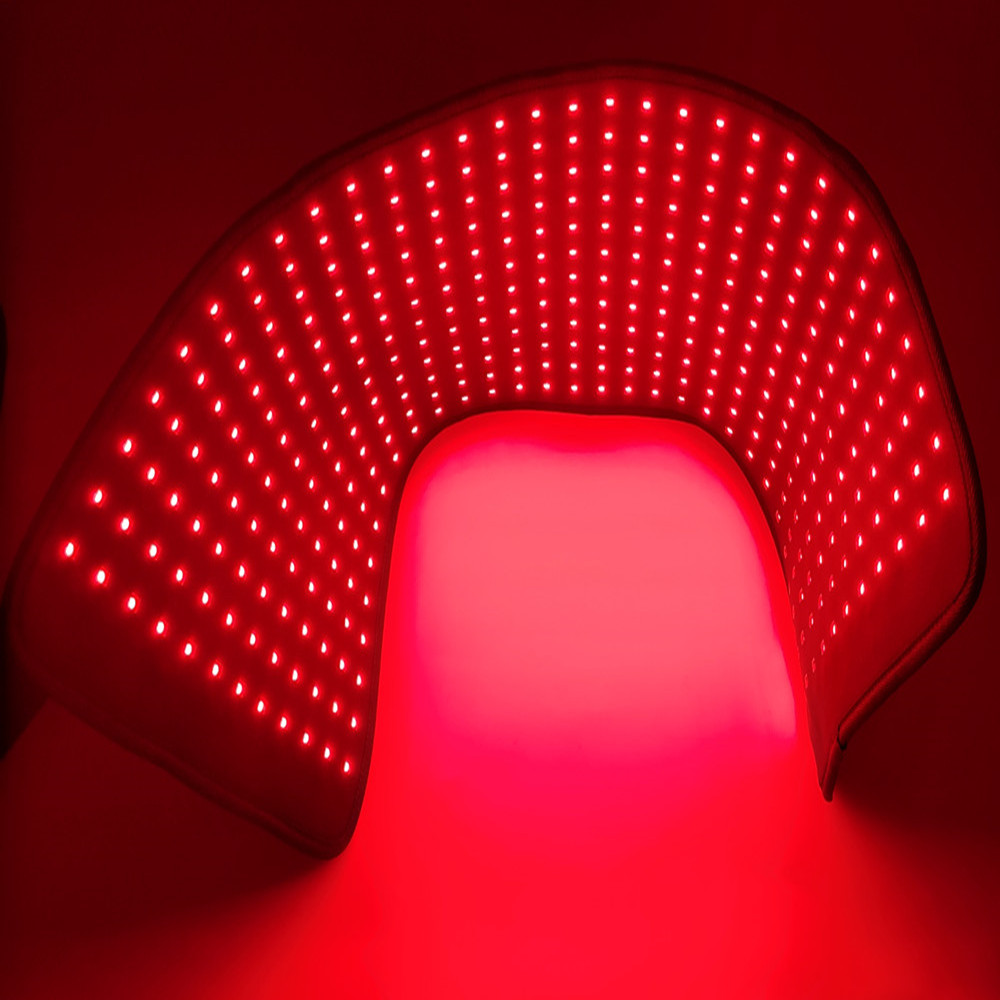
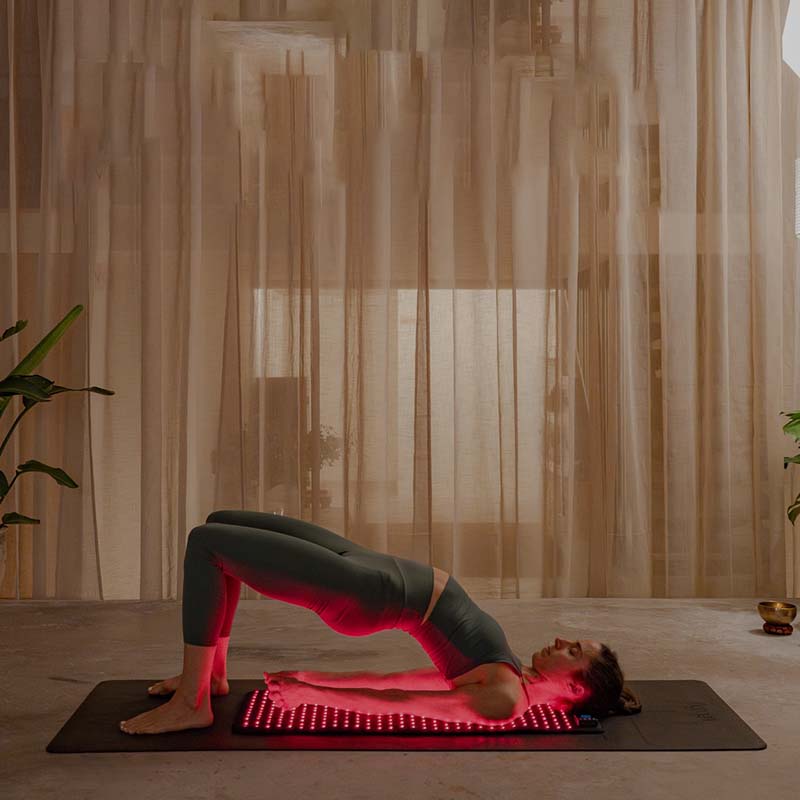
Nisu sva crvena svjetla učinkovita. Potražite uređaj koji nudi i $660 text{nm} $ (crvena) i $850 text{nmtext{nm} $ (blisko infracrveno) valne duljine. A velika ploča je općenito bolji za jogu od malog štapića, jer vam omogućuje kretanje unutar svjetlosnog polja. Alternativno, prostirka za terapiju crvenim svjetlom pruža izravan kontakt, što je izvrsno za vježbe na podu poput Yin ili restorativne joge.
2. Izloženost kože je obavezna
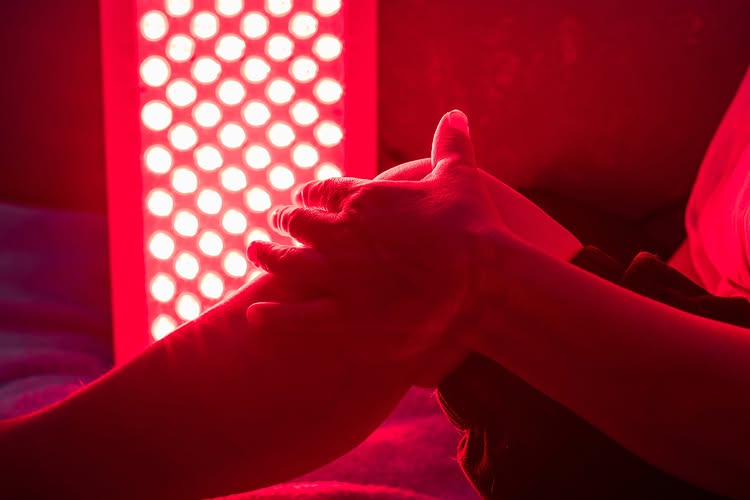
Svjetlost ne može učinkovito prodrijeti kroz odjeću. Da biste ostvarili sve prednosti, trebali biste vježbati u minimalnoj odjeći. Iako se ovo može činiti drugačije od tradicionalnog studijskog okruženja, osigurava da fotoni doista dosegnu vašu kožu i mitohondrije.
3. Udaljenost i ozračenost
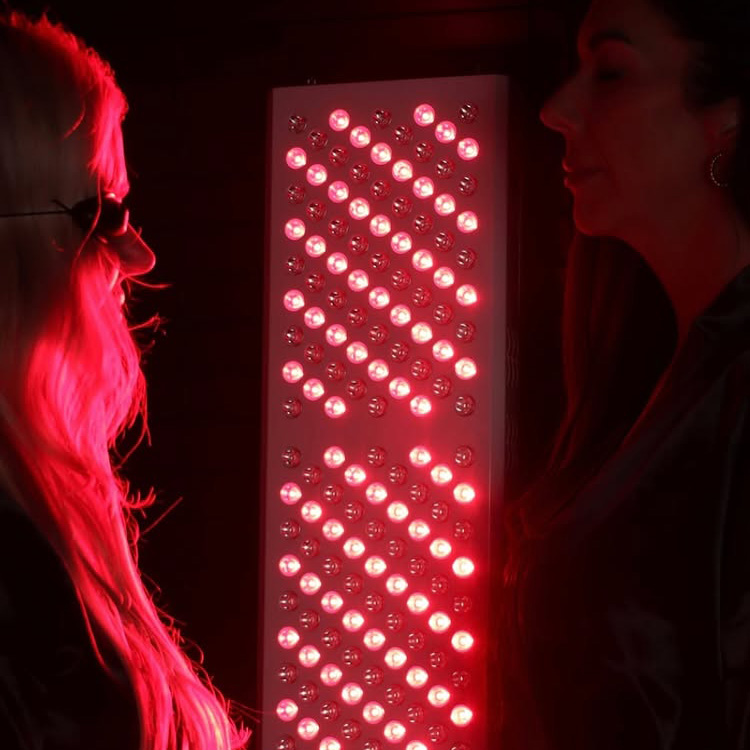
Snaga svjetlosti (zračenje) se smanjuje kako se udaljavate. Za najveći terapeutski učinak, ostanite unutar 15 do 30 cm od izvora svjetlosti. Ako koristite crvenu svjetlosnu prostirku, izravan kontakt s kožom idealan je za maksimalan prijenos energije.
4. Upravljanje toplinom i hidratacijom
Iako terapija crvenim svjetlom nije “toplinska terapija”, LED diode stvaraju određenu toplinu, a metabolički poticaj može povisiti vašu tjelesnu temperaturu. Prije i poslije seanse obavezno pijte puno vode kako biste podržali limfni sustav dok obrađuje nusprodukte staničnog popravka.
Dodatna točka 1: Cirkadijalna sinergija jutarnje svjetlosti
Jedan od najzanemarenijih prednosti joge s crvenim svjetlom je njegov utjecaj na suprahijazmatska jezgra (glavni sat mozga). Kada ujutro vježbate jogu s crvenim svjetlom, učinkovito signalizirate svom mozgu da je dan počeo. To potiskuje proizvodnju melatonina i stimulira prirodni kortizol (“hormon buđenja”) na zdrav i kontroliran način. To je posebno korisno za one koji žive na sjevernim geografskim širinama tijekom zimskih mjeseci ili za one koji pate od sezonskog afektivnog poremećaja (SAD). Kombiniranje fizičkog pokreta joge s terapijom svjetlom “umjetnog izlaska sunca” stvara snažan antidepresivni učinak koji može trajati cijeli dan.
Dodatna točka 2: Dušikov oksid i “jogijsko ispiranje”
Fascinantan tehnički detalj terapije crvenim svjetlom je njezina sposobnost oslobađanja Dušikov oksid (NO) iz mitohondrija. Dušikov oksid je snažan vazodilatator, što znači da opušta unutarnje mišiće vaših krvnih žila, uzrokujući njihovo širenje. To značajno povećava protok krvi. U jogi često govorimo o "pomicanju prane" ili energije. S biološke perspektive, joga crvenog svjetla doslovno "pomiče krv". Ovo "ispiranje" pomaže učinkovitije dostaviti hranjive tvari u tkiva koja istežete i s vremenom jača kardiovaskularni sustav. Zbog toga je joga crvenog svjetla izvrstan izbor za one sa slabom cirkulacijom ili one koji se oporavljaju od kardiovaskularnih problema (pod liječničkim nadzorom).
Često postavljana pitanja
1. Je li terapija crvenim svjetlom bolja prije ili poslije joge?
Vremenski okvir ovisi o vašem primarnom cilju. Prije joge , Crveno svjetlo djeluje kao "zagrijavanje" za stanice, povećavajući fleksibilnost i protok krvi kako bi se spriječile ozljede. Nakon joge , učinkovitiji je za oporavak, pomaže u umirivanju bolnih mišića i smanjenju upale. Za vrhunsko iskustvo, mnogi praktičari odlučuju se imati upaljeno svjetlo tijekom cijelu sesiju kako bi se iskoristile obje prednosti.
2. Što je točno joga terapija crvenim svjetlom?
Terapija crvenim svjetlom je praksa izvođenja joga poza unutar projekcijskog polja uređaja s crvenim i bliskim infracrvenim svjetlom. Integrira metaboličke i stanične prednosti svjetlosti (povećan ATP, smanjena upala) sa strukturnim i mentalnim prednostima joge (fleksibilnost, snaga, svjesnost). Često se izvodi s minimalnom odjećom kako bi se osiguralo da svjetlost dopre do kože.
3. Koliko puta tjedno bih trebao/la raditi jogu s crvenim svjetlom?
Dosljednost je važnija od trajanja. Za značajne fiziološke promjene, ciljajte na 3 do 5 sesija tjedno . Većina kliničkih studija o dobrobitima svjetlosne terapije pokazuje da su rezultati kumulativni, što znači da ćete vidjeti dublje promjene u zdravlju kože i pokretljivosti zglobova nakon 8 do 12 tjedana redovite prakse nego u jednoj sesiji.
Razmišljanja: Prihvaćanje blistavog puta
Evoluciju wellnessa karakterizira naša sposobnost spajanja mudrosti prošlosti s preciznošću budućnosti. Joga crvenog svjetla je dokaz ovog napretka, nudeći neinvazivan, bez lijekova i duboko restorativni način poboljšanja ljudskog iskustva. Razumijevanjem znanosti fotobiomodulacije i umjetnosti Asana , ne samo da vježbate; sudjelujete u visokotehnološkom ritualu samoobnavljanja.
Bilo da ste iskusni jogi koji želi probiti stagnaciju fleksibilnosti ili početnik koji traži učinkovitiji način liječenja svog tijela, “Revolucija crvenog svjetla” nudi put naprijed. Slušajte svoje tijelo, poštujte granice svojih tkiva i dopustite da snaga svjetlosti osvijetli vaše putovanje prema vrhunskoj fizičkoj i mentalnoj vitalnosti. Vaše stanice - i vaša duša - bit će vam zahvalne na nadogradnji.
 English (United States)
 French (Canada)
 English (UK)
 English (Australia)
 English (Canada)
 English (New Zealand)
 English (South Africa)
 Bulgarian
 Croatian
 Arabic
 Czech
Czech Danish
 Dutch
Dutch Estonian
 Finnish
 French (France)
 Turkish
 Swedish
 Spanish
 Slovenian
 Georgian
 German
 Greek
Greek Hebrew
 Hungarian
 Icelandic
 Indonesian
 Italian
 Japanese
 Korean
 Latvian
 Lithuanian
 Slovak
 Serbian
 Portuguese
 Luxembourgish
 Irish
Irish Romanian
 Russian